October 11, 2026
Грибы премиум-класса для домашней кухни: выбирайте лучшее

A handful of truly good wild mushrooms can change the direction of dinner. Premium mushrooms for home cooks bring concentrated aroma, satisfying texture, and a sense of occasion that ordinary ingredients rarely deliver. Crown Fungi focuses on carefully handled wild varieties, so cooks can enjoy the character of the season without relying on a lucky market find.
The key is not treating every mushroom the same. A chanterelle deserves a different pan, pairing, and cooking time than a porcini or chicken of the woods. Once you understand what each variety brings to the plate, buying a premium mushroom becomes less of a splurge and more of a reliable way to make a meal memorable.
What Makes a Mushroom Premium?
For home cooking, premium means more than a rare name. It means the mushroom has a distinct flavor, is in good condition, and reaches your kitchen in a format that suits the way you cook. Wild mushrooms grow with more variation than cultivated mushrooms, which is part of their appeal. Their shapes may be irregular, but their aroma, color, and texture should feel lively and purposeful.
Fresh seasonal mushrooms offer the immediate pleasure of cooking what is available right now. They are especially rewarding in simple preparations where their character is front and center. Frozen wild mushrooms offer another advantage: they are preserved when the mushrooms are at their best, giving home cooks access to exceptional flavor beyond a short harvest window.
Neither format is automatically better. Fresh is ideal when you want a delicate sauté or a dish built around the mushroom itself. Frozen is often the practical choice for a last-minute pasta, risotto, sauce, or soup, because it is ready when inspiration strikes. Choose based on the dish, not a rule.
Premium Mushrooms for Home Cooks: Choose by Flavor
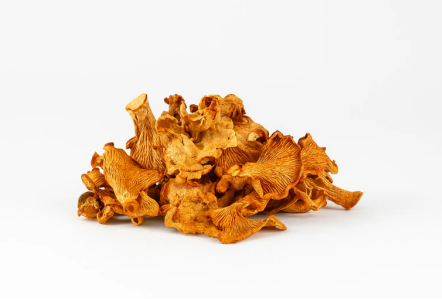
Chanterelles are a natural starting point for cooks new to wild mushrooms. Their flavor is gently fruity and woodsy, with a firm, tender bite that holds up beautifully in butter, eggs, cream, and roasted chicken dishes. Keep the seasoning restrained. Shallot, thyme, white wine, and a little lemon are usually enough.
Porcini have a deeper, more savory personality. They are a strong match for brown butter, polenta, pasta, beefy braises, and rice dishes. Their flavor stands up to garlic and aged cheese, though too much of either can obscure their earthy depth. If you are building a dinner around one mushroom, porcini make the case easily.
Morels are prized for their honeycomb texture and nutty, rich flavor. They are at home with spring vegetables, cream sauces, poultry, and soft scrambled eggs. Because their surface has so many folds, give them enough time in the pan for moisture to cook away and their edges to brown.
Black trumpets bring a dark, fragrant intensity. Think of them when a dish needs a concentrated woodland note rather than a large, meaty bite. They work especially well with pasta, potatoes, eggs, and sauces for roasted meats. A little goes a long way, so use them as a defining accent rather than filling the pan.
Lobster mushrooms are substantial and savory, with a vivid color that looks striking on the plate. Their firm texture makes them a smart choice for tacos, hearty pasta, chowders, and dishes with corn or squash. Chicken of the woods is equally satisfying when you want a substantial, shreddable texture. It benefits from steady cooking until tender, then takes well to bright herbs, lemon, and a crisp sear.
Matsutake are an occasion mushroom. Their aroma is distinctive, spicy, and piney, and heavy sauces can cover what makes them special. Slice them simply, cook them briefly, and pair them with rice, broth, mild fish, or a clean butter sauce.
Cook for Browning, Not Steaming
The most common disappointment with premium wild mushrooms is not quality. It is a crowded skillet. Mushrooms contain water, and too many in the pan at once will release that water faster than it can evaporate. The result is soft mushrooms with little color.
Use a wide skillet over medium-high to high heat, then add mushrooms in a single, loose layer. Let them sit long enough to brown before moving them around. If you are cooking a generous quantity, work in batches. This takes a few extra minutes, but it is the difference between a deeply flavored sauté and a watery one.
Add fat at the right moment. Some cooks begin with a small amount of neutral oil because it tolerates higher heat, then add butter after the mushrooms have started to color. The butter brings flavor without burning before the mushrooms are ready. Salt is best added once browning is underway, particularly with fresh mushrooms, since early salting can encourage moisture to emerge before the pan has done its work.
Frozen mushrooms deserve the same patience. Cook them directly from frozen unless the package instructions say otherwise. Start with a hot, roomy skillet and allow the released moisture to evaporate before adding more fat or aromatics. Do not judge them by their appearance in the first minute. Their flavor develops as the pan dries and the edges begin to caramelize.
> Home Cook's Buying Note
> Select the variety first, then the format. Choose fresh wild mushrooms for a meal planned around their season, or keep frozen wild mushrooms on hand for dependable flavor whenever you want it.
Let the Mushroom Lead the Dish
Premium mushrooms do not need complicated recipes. In fact, the best use of a rare variety is often a short ingredient list and a technique you trust. Fold browned chanterelles into a creamy omelet. Spoon porcini over soft polenta with Parmesan. Toss morels with buttered noodles and peas. Crisp chicken of the woods in a skillet, then finish it with lemon and parsley.
That said, richness needs balance. Cream, butter, and cheese flatter wild mushrooms, but a little acid keeps the dish from becoming heavy. Lemon juice, dry white wine, sherry vinegar, or a lightly dressed bitter green salad can sharpen the whole plate. Fresh herbs should support the mushroom, not compete with it. Parsley, chives, thyme, tarragon, and sage are dependable choices, depending on the variety.
Texture matters just as much as flavor. Pair tender mushrooms with something crisp, such as toasted breadcrumbs or roasted potatoes. Pair firm, meaty mushrooms with something soft, such as risotto, mashed potatoes, or silky eggs. This contrast makes a modest amount of premium mushrooms feel generous.
Buy With a Plan, Then Stay Flexible
Before choosing a mushroom, decide what role it will play. If it is the centerpiece, choose a variety with a bold flavor or substantial texture, such as porcini, lobster mushrooms, or chicken of the woods. If it is part of a composed dish, chanterelles or morels may be the more elegant choice. If you want an easy pantry-free dinner option, frozen wild mushrooms give you more freedom to cook on your own schedule.
Seasonality still matters, even when frozen options extend access. A seasonal fresh selection is a good reason to cook simply and let the mushroom be the occasion. Frozen varieties make it easier to return to a favorite flavor after the fresh season has passed. Both are valuable for different reasons, and both reward careful cooking.
Premium mushrooms are not everyday filler. They are ingredients with enough personality to shape a meal, whether that meal is a quiet weeknight dinner, a holiday side, or a gift-worthy gathering. Give them space in the pan, keep the supporting flavors clear, and let the variety guide the recipe.
Shop This Mushroom
Explore the current fresh and frozen wild mushroom offerings and choose the variety that fits the meal you want to cook next.