Cart
0
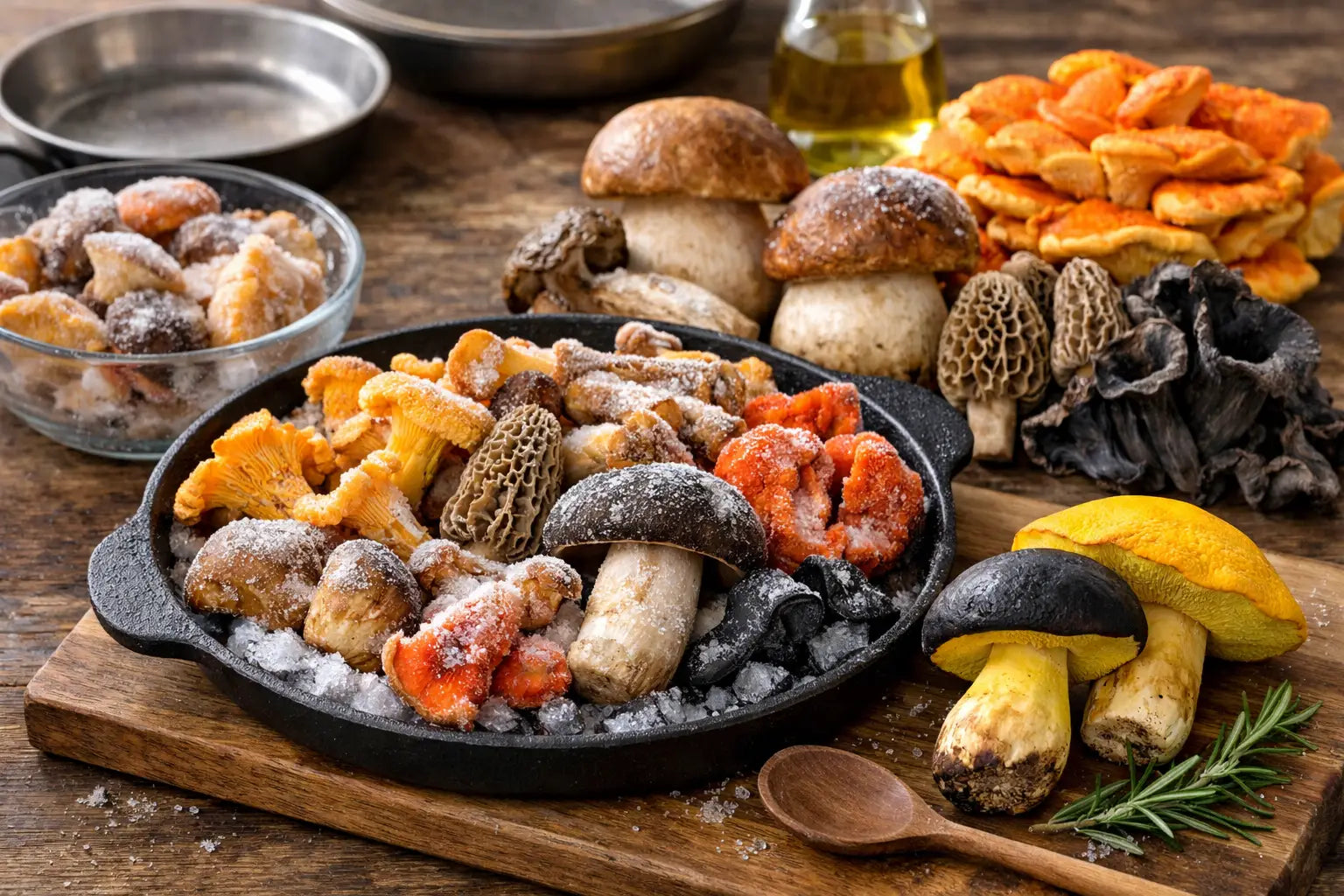
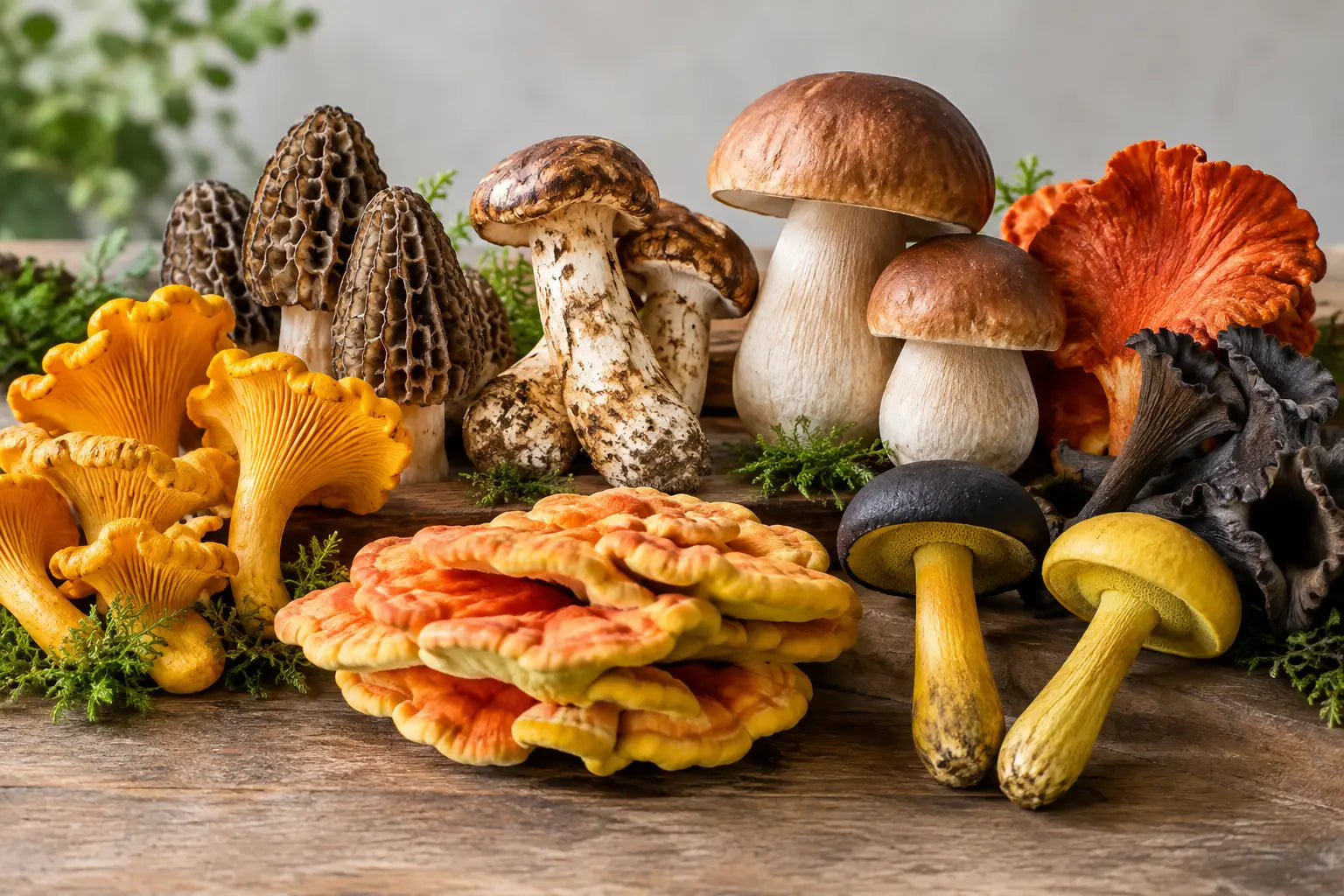
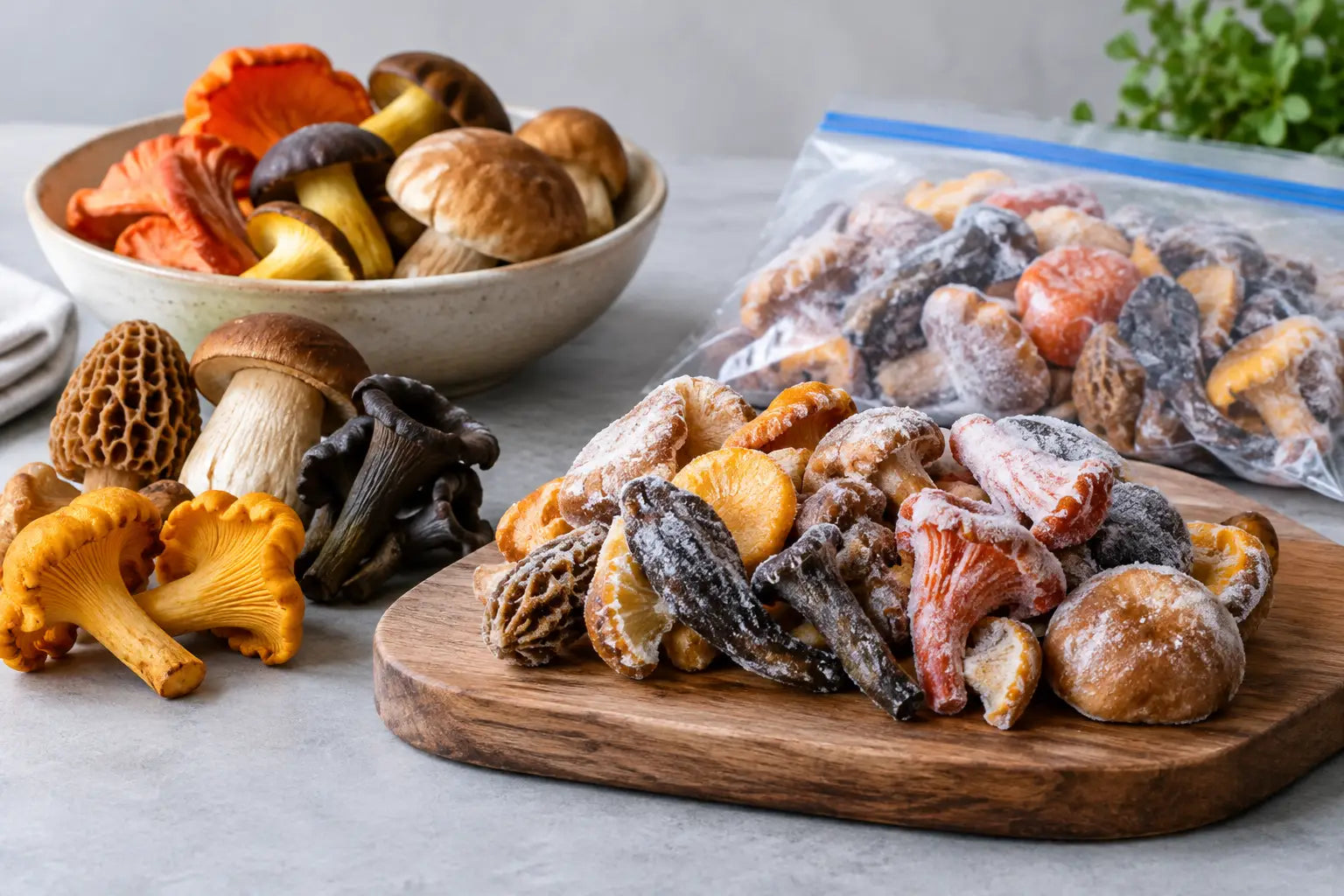
A pan of frozen wild mushrooms can look watery for the first few minutes, then turn deeply aromatic and beautifully browned. That change is the key to this frozen mushroom cooking guide. Crown Fungi freezes wild mushrooms at peak quality so home cooks can keep distinctive varieties ready for the meals that deserve more than an ordinary ingredient.
Frozen mushrooms do not need complicated treatment, but they do need enough heat, enough pan space, and a little patience. Cook them straight from frozen rather than thawing them on the counter. With the right method, their concentrated flavor works beautifully in pasta, eggs, risotto, sauces, and simple skillet dishes.
The Rule That Matters Most: Cook Off the Moisture First
Frozen mushrooms release moisture as they heat. This is normal, not a sign that anything has gone wrong. If you add a large amount of butter, cream, or sauce immediately, the mushrooms will steam in that liquid instead of concentrating their flavor against the hot pan.
Start with a wide skillet over medium-high heat. Add the mushrooms in a single, loose layer. A heavy skillet is helpful because it holds heat when the cold mushrooms hit the surface, but any wide pan can work. Leave the mushrooms alone for a minute or two, then stir occasionally as their released liquid begins to simmer.
At this stage, resist the urge to crowd the pan with onions, garlic, or other vegetables. They add their own moisture and slow browning. Let the mushroom liquid cook down first. Once the pan is nearly dry and the mushrooms begin to sizzle in their own fat, add oil or butter and continue cooking until the edges brown.
The exact timing depends on the variety, the quantity, and the width of your skillet. A small handful may need six to eight minutes; a full bag can take 12 minutes or more. The useful cue is sound: the gentle bubbling of released moisture changes to a more active sizzle.
Should You Thaw Frozen Mushrooms?
For most dishes, no. Cooking wild mushrooms from frozen gives you more control because their moisture releases directly into the pan, where it can evaporate. Thawing can leave you with softened mushrooms and a bowl of liquid that is easy to discard along with some flavor.
There are a few exceptions. If you are folding mushrooms into a filling that cannot tolerate extra liquid, such as ravioli, hand pies, or a delicate custard, thaw them in the refrigerator first. Drain well, then press gently in a clean towel before sautéing. This is also useful when you need finely chopped mushrooms for a dense stuffing.
Do not thaw frozen mushrooms at room temperature. If you are not cooking them directly from the freezer, thaw them safely in the refrigerator and use them promptly.
How to Brown Frozen Wild Mushrooms
Browning is where frozen mushrooms become memorable. Once excess moisture has evaporated, add enough fat to lightly coat the pan. Use a neutral oil when you want clean mushroom flavor, or use butter for a richer finish. Butter is best added after the pan has dried out, since its milk solids can brown too early while the mushrooms are still releasing water.
Season with salt after the mushrooms have begun to brown. A small pinch early on is fine, but heavy salting at the start can encourage more moisture to come out before the pan is ready. Freshly ground black pepper, thyme, rosemary, shallot, or a small amount of garlic all work well, but add garlic late. It can burn while you are waiting for the mushrooms to brown.
Give the mushrooms enough contact with the skillet. Stirring constantly prevents browning, while leaving them untouched for too long can cause sticking. Turn them every minute or so once the pan is dry. Look for caramelized edges, a firmer texture, and a fragrance that has shifted from vegetal to nutty and savory.
Avoid the Crowded-Pan Problem
A crowded pan is the most common reason frozen mushrooms stay pale. When mushrooms are piled high, the steam has nowhere to go. Instead of browning, they continue to simmer.
If you are cooking more than will fit comfortably in one layer, use two skillets or cook in batches. It takes a little longer, but the difference in flavor is substantial. This matters especially for porcini and morels, whose character is most vivid after their moisture has cooked away and their surfaces have had time to brown.
Match the Method to the Mushroom
Not every wild mushroom behaves exactly the same way. The basic approach stays consistent, but texture and flavor guide the finish.
Porcini
Frozen porcini bring a deep, woodsy flavor that stands up to butter, cream, polenta, and pasta. Brown them thoroughly, then use a splash of white wine, stock, or pasta water to lift the flavorful browned bits from the pan. Keep the seasoning restrained so the porcini remain the center of the dish.
Morels
Morels have a honeycomb structure that holds seasoning and sauce. Cook them until their moisture has evaporated, then finish with butter and a little thyme. They are especially good with eggs, cream sauces, chicken, or a spoonful of pan sauce over toast. Their texture is delicate, so avoid aggressive stirring.
Chanterelles
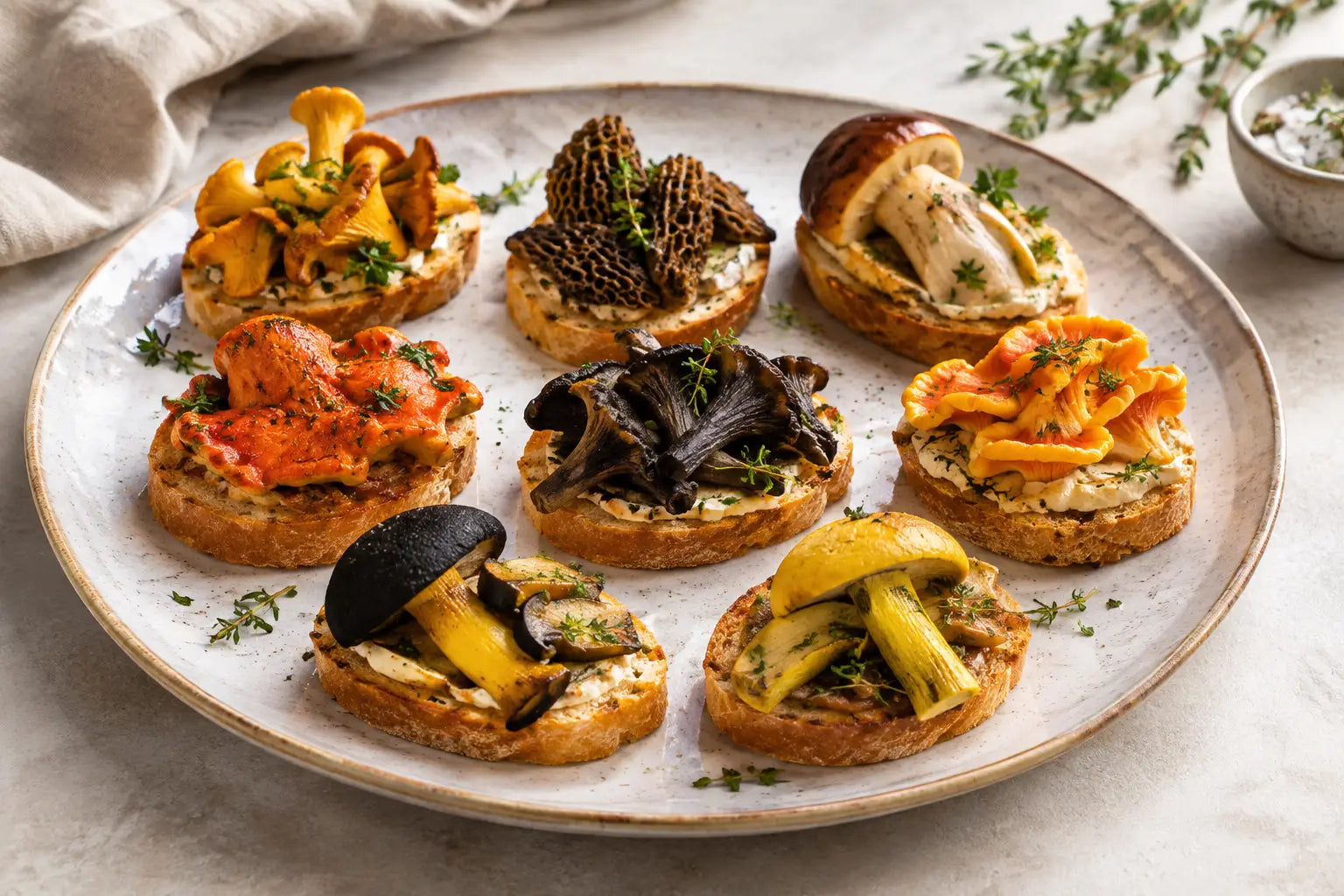
Chanterelles have a gentle fruitiness and a naturally peppery, apricot-like aroma. They shine with shallots, butter, herbs, and eggs. Once browned, they need only a brief finish. Heavy sauces can hide their character, so consider serving them over toast, folded into scrambled eggs, or tossed with pasta and a small amount of cream.
Chicken of the Woods
Chicken of the woods has a substantial, layered texture that works well in hearty skillet meals. Give it enough time to cook through and brown at the edges. It pairs naturally with garlic, lemon, warm spices, or a simple glaze, but keep the pan dry enough for the pieces to develop color before adding a sauce.
Lobster Mushrooms and Black Trumpets
Lobster mushrooms offer a dense texture and a distinctive savory flavor. Use them where you want a more substantial bite, such as a pasta sauce or a buttery rice dish. Black trumpets are more delicate and intensely aromatic. Add them to a pan once it is properly hot, then finish with butter, pasta, or eggs rather than long-cooking them in a heavy stew.
Build Flavor After the Pan Is Dry
Once your mushrooms are browned, the rest of dinner comes together quickly. Deglaze the skillet with a small splash of wine, stock, or water, scraping up the browned bits. Add a pat of butter, a squeeze of lemon, or a spoonful of cream depending on the dish.
For pasta, cook the mushrooms first, then add cooked noodles and a little pasta water to the same skillet. For rice or risotto, fold browned mushrooms in near the end so they keep their character. For eggs, remove the mushrooms from the pan before cooking the eggs, then fold them back in at the last moment.
This sequence matters because frozen mushrooms are already prepared for convenience, but they still deserve a deliberate finish. Their flavor is not improved by more ingredients. It is improved by moisture control, browning, and a seasoning choice that fits the variety.
Common Mistakes That Flatten Flavor
Adding everything at once is tempting, especially on a busy night. But onions, vegetables, and sauces should wait until the mushrooms have released their moisture. Starting with a cold pan is another setback: the mushrooms thaw slowly, release more liquid, and never get the chance to brown efficiently.
Too much oil at the beginning can also make the process feel sluggish. The mushrooms will release plenty of moisture on their own, so wait until that liquid has mostly evaporated before adding fat. Finally, do not judge doneness by the clock alone. A dry pan, browned edges, and a concentrated aroma are more reliable signs than a specific minute count.
A Simple Weeknight Formula
Heat a wide skillet over medium-high heat and add frozen mushrooms in a loose layer. Cook until their liquid evaporates, then add butter or oil and brown the mushrooms. Season with salt, pepper, and a complementary herb. Finish with lemon for brightness, cream for richness, or a splash of wine for a savory pan sauce.
From there, serve them over toast, stir them through pasta, spoon them beside roasted chicken, or fold them into eggs. The method stays simple because the mushrooms provide the interest.
Shop This Mushroom
Keep frozen wild mushrooms on hand for the night you want a simple meal to taste special. Explore Crown Fungi’s current frozen wild mushroom offerings and choose the variety that fits your next skillet dinner.