October 13, 2026
Сезонные блюда из лесных грибов

A skillet of chanterelles can turn butter, eggs, and good bread into a meal worth slowing down for. That is the pleasure of wild mushroom seasonal cooking: it follows the ingredient instead of burying it. Crown Fungi brings carefully handled wild mushrooms within reach for home cooks who want that fleeting, forest-bright flavor without making a special trip.
Seasonality matters because wild mushrooms do not behave like ordinary produce. Their flavor, moisture, and texture shift with the weather and the moment they are harvested. Fresh mushrooms reward simple cooking while they are in season; frozen mushrooms make it possible to keep that same ingredient-led approach when a fresh crop is not available. The best method is rarely complicated. It is usually a matter of using enough heat, giving the mushrooms room, and pairing them with foods that leave their character intact.
What Seasonal Cooking Changes
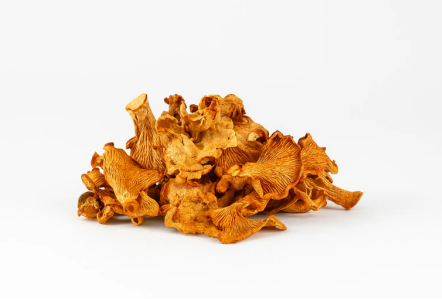
Wild mushrooms arrive with a point of view. Chanterelles are fruity and peppery, with a firm, tender bite. Morels have a deep, nutty savor that stands up beautifully to cream and roasted chicken. Porcini bring a fuller, woodsy richness, while black trumpet mushrooms add dark, aromatic intensity in small amounts. Chicken of the woods has a satisfying, meaty texture that calls for patient browning rather than heavy seasoning.
Cooking seasonally means choosing a preparation that suits the mushroom in front of you. When fresh chanterelles are available, let their delicate apricot-like aroma lead. Use them in a warm salad, folded into softly scrambled eggs, or spooned over polenta. When frozen wild mushrooms are the practical choice, build a dish around their concentrated flavor: risotto, pasta sauce, a buttery pan sauce, or a layered potato gratin.
There is no need to force every mushroom into the same recipe. A morel can carry a rich cream sauce that might overwhelm a black trumpet. A lobster mushroom has enough color and density for a bold tomato-based pasta, while chanterelles can disappear under too much garlic, cheese, or acid. Seasonality is not a limitation. It is a useful instruction.
Start With the Right Heat
The most common mistake in wild mushroom seasonal cooking is crowding a cold pan. Mushrooms hold moisture, and a crowded pan lets that moisture collect before browning begins. The result is soft, pale mushrooms with a muted flavor.
Use a wide skillet and preheat it over medium-high heat. Add a neutral cooking oil or a small amount of butter, then arrange the mushrooms in a loose layer. Leave them alone for a minute or two before stirring. Once their moisture cooks off and the edges begin to color, lower the heat slightly and add butter, shallot, or herbs if the recipe calls for them.
Fresh mushrooms often need less time than home cooks expect. The goal is not to cook away their personality. You want browned edges, a tender center, and a texture that still feels alive. Frozen mushrooms benefit from the same roomy skillet, but give them extra time to release moisture before adding butter or aromatics. Do not thaw them on the counter first unless a recipe specifically requires it. Going straight from frozen to a hot pan usually preserves a better texture.
Salt is another timing decision. A light pinch early can help draw out moisture, which is useful if you are making a sauce. For a sauté meant to stay crisp at the edges, wait until browning has begun. Taste near the end. Wild mushrooms vary, and a seasoning level that suits porcini may feel too assertive on chanterelles.
Pairings That Let Wild Mushrooms Lead
The strongest pairings give wild mushrooms support without competing for attention. Butter, olive oil, eggs, cream, potatoes, pasta, rice, and mild cheeses all work because they provide richness and structure. Fresh thyme, parsley, chives, and tarragon can add lift, but use a restrained hand.
For chanterelles, think pale gold and gentle richness. Toss them with tagliatelle, butter, a spoonful of pasta water, and grated Parmesan. Spoon them over a crisp piece of toast with ricotta. Or sauté them with shallots and finish with eggs for a weekend breakfast that feels special without becoming fussy.
Morels welcome more depth. Pair them with chicken, spring peas, asparagus, or a simple cream sauce. Porcini are especially good with beef, barley, polenta, and roasted squash. Black trumpets are potent enough to fold into a compound butter or a rice dish, where a small amount perfumes the entire pan.
Acid has a place, but it should arrive late and lightly. A squeeze of lemon can brighten chanterelles; a splash of dry white wine can lift a mushroom pan sauce. Too much acid can flatten the round, savory notes that make wild mushrooms distinctive. The same goes for spice. A little black pepper is welcome. A heavy dose of chile may be better saved for ingredients with a louder flavor profile.
> Product Callout: Frozen Chanterelle Mushrooms
> Keep the bright, buttery character of wild chanterelles ready for weeknight pasta, eggs, and risotto. Price: see the current product listing for today’s price and availability.
Three Seasonal Meals Worth Repeating
A chanterelle and soft egg toast is the fastest route to understanding why restraint matters. Sauté the mushrooms until golden, add a little butter and chopped chives, then pile them over toast with a softly cooked egg. The yolk becomes the sauce, and the mushrooms stay at the center of the plate.
For a cooler evening, make a simple wild mushroom risotto. Start with shallot and rice, add warm stock gradually, and cook the mushrooms separately until deeply browned. Fold them in near the end with butter and Parmesan. Cooking the mushrooms apart is a small extra step, but it keeps their flavor clear instead of steaming them inside the rice.
When you want something more substantial, use chicken of the woods or porcini in a potato skillet. Brown thin slices of potato until crisp, add the mushrooms once the potatoes have room in the pan, and finish with rosemary and a spoonful of crème fraîche. It is hearty enough for dinner, but still lets the mushroom dictate the dish.
Fresh and Frozen Have Different Strengths
Fresh wild mushrooms are ideal when you want a clean sauté, a composed toast, or a dish built around texture. Their season is part of their appeal, and a simple treatment shows it best. Buy only what you can cook within a few days, keep them cold, and avoid sealing them in an airtight container where moisture can build.
Frozen wild mushrooms solve a different problem. They make rare varieties available when the calendar does not cooperate and give you an easy way to cook with a premium ingredient on a Tuesday night. Their flavor is especially useful in dishes with a little moisture and richness, such as pasta, soups, sauces, and grain dishes.
Neither format is automatically better. It depends on what you are cooking. If the mushroom is the visual centerpiece, fresh is often the natural choice. If you are making risotto for friends or want an easy, flavorful sauce, frozen can be the smarter option. The important thing is to choose a format that fits the meal rather than treating preservation as a compromise.
Build a Better Mushroom Habit
The easiest way to cook seasonally is to keep your recipes flexible. Rather than planning one exact dish around one exact mushroom, keep a few foundations in mind: a sauté for toast or eggs, a sauce for pasta, a rice dish, and a potato-based dinner. Then choose the wild mushroom that suits the season and the flavor you want.
Give the mushrooms space in the pan. Add strong flavors cautiously. Let butter, good olive oil, and a few well-chosen ingredients do their work. That is how a rare mushroom stops feeling intimidating and starts becoming a reliable part of your home cooking.
Shop This Mushroom
Explore current frozen chanterelle offerings from Crown Fungi and bring a little seasonal spontaneity to your next meal. A good wild mushroom does not need a complicated plan - it only needs a hot pan and enough room to be itself.