Cart
0
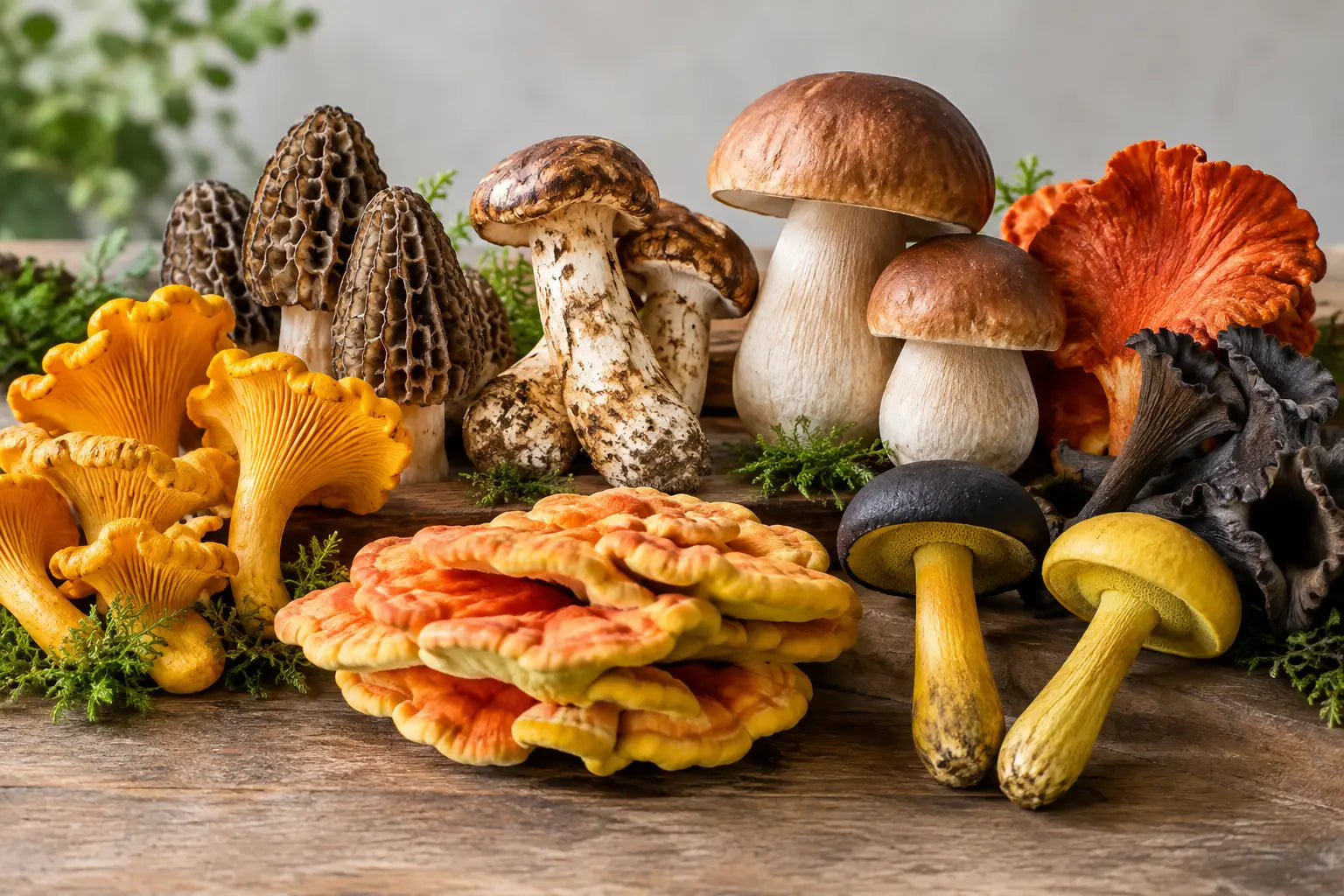
A perfect wild mushroom season can be brief. The future of frozen specialty mushrooms is what allows that fleeting flavor to stay within reach long after a favorite variety has disappeared from the woods. At Crown Fungi, careful sourcing and preservation give home cooks a more dependable way to bring wild chanterelles, morels, porcini, and other prized mushrooms into weeknight dinners and celebratory meals.
Frozen mushrooms are no longer a compromise made for convenience alone. When handled well, they are a purposeful format: wild mushrooms preserved close to their best, ready when a sauce needs depth, a risotto needs character, or a simple pan of eggs deserves something extraordinary.
Why Frozen Wild Mushrooms Are Gaining Ground
Wild mushrooms do not follow a supermarket calendar. Their availability depends on weather, location, and a season that may be generous one year and frustratingly short the next. That unpredictability is part of what makes varieties such as morels, chanterelles, and black trumpet mushrooms so special. It can also make planning a meal around them difficult.
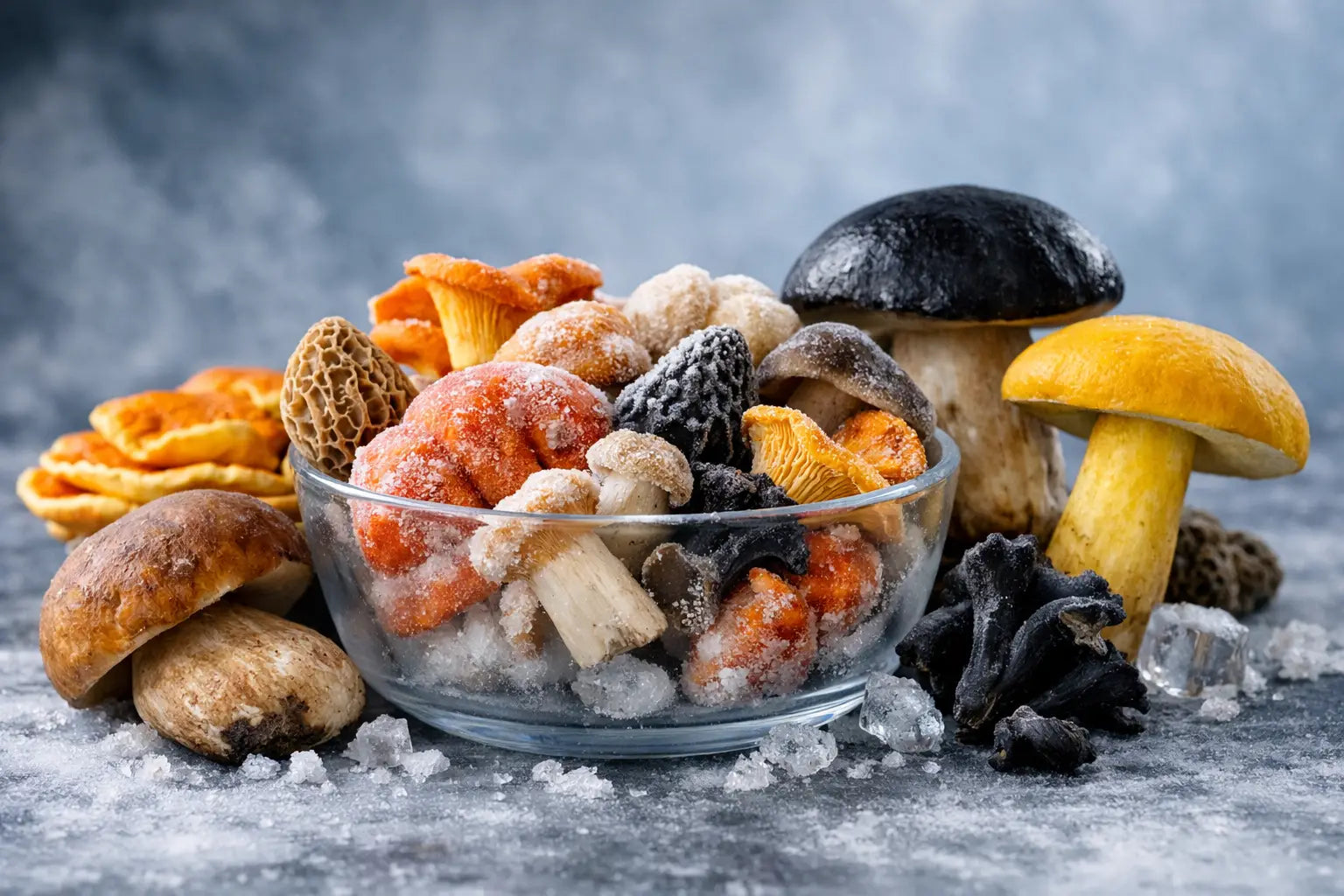
Freezing changes the home-cooking equation. Rather than waiting for a narrow seasonal window, cooks can keep exceptional wild mushrooms on hand for the moment they are wanted. The appeal is not just access. It is the ability to cook with a real ingredient of place and season without treating every package as a use-it-immediately occasion.
That matters most for dishes where mushrooms are central, not decorative. A handful of frozen porcini can turn a basic pasta into something woodsy and deeply savory. Frozen chanterelles can bring their peppery, apricot-like aroma to a cream sauce or buttery toast. Morels make a memorable partner for spring vegetables, chicken, eggs, and fresh herbs.
Peak-Season Preservation Has a Culinary Purpose
Quality frozen mushrooms begin with quality fresh mushrooms. Wild mushrooms need to be selected carefully, cleaned with restraint, and preserved while their aroma, color, and texture are still at their best. Freezing cannot improve a tired mushroom. It can, however, hold onto the character of an excellent one.
For home cooks, that distinction is easy to taste. A thoughtfully frozen mushroom should still contribute a clear varietal identity after cooking. Chanterelles should taste like chanterelles, not simply like a generic savory mushroom. Porcini should offer their recognizable nutty, forest-floor richness. Lobster mushrooms should retain their firm bite and distinctive seafood-like character.
Texture is the trade-off to understand. Frozen wild mushrooms release moisture as they cook, so they are not always the right choice for a preparation that depends on a delicate raw-like firmness. They excel when heat, butter, stock, cream, wine, or rendered fat has a role to play. In those settings, the moisture becomes manageable and the flavor remains the point.
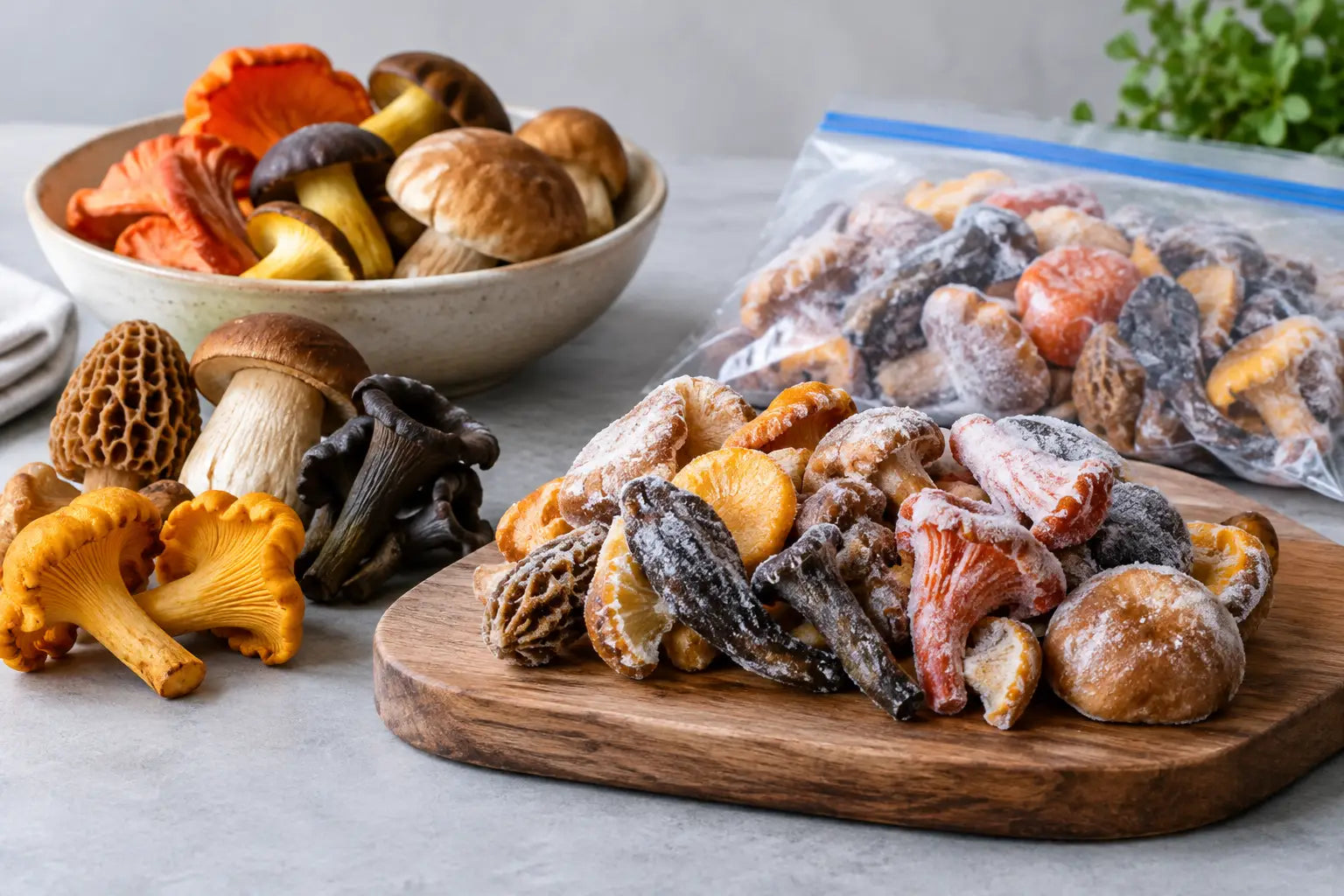
The best approach is simple: cook them from frozen in a hot, roomy skillet. Let the water cook off before adding ingredients that brown easily, such as butter or garlic. Crowding the pan steams mushrooms rather than concentrating them, so work in batches when needed. Once the pan has dried and the mushrooms begin to sizzle, their flavor becomes far more pronounced.
The Future Is About Better Everyday Access
The most meaningful change is not that frozen mushrooms are becoming more common. It is that more home cooks are recognizing frozen wild mushrooms as a premium pantry-adjacent ingredient, not a backup plan.
A package in the freezer gives you room to cook with more spontaneity. You can build a meal around what is already in your kitchen: pasta, rice, polenta, potatoes, eggs, beans, or a piece of fish. You do not have to wait for a special shopping trip to make a dish feel special.
This also makes rare mushrooms easier to use with confidence. Fresh morels can feel too precious to experiment with, especially when their season is short. Frozen morels invite a more practical kind of curiosity. Use part of a package in a sauce, save the rest for a weekend brunch, and learn how their honeycombed texture behaves in your own cooking.
A Better Fit for Real Home Cooking
Frozen specialty mushrooms meet home cooks where they actually are. Some nights call for an elaborate meal. Others call for a 20-minute dinner with a short ingredient list. The same mushrooms can serve both purposes.
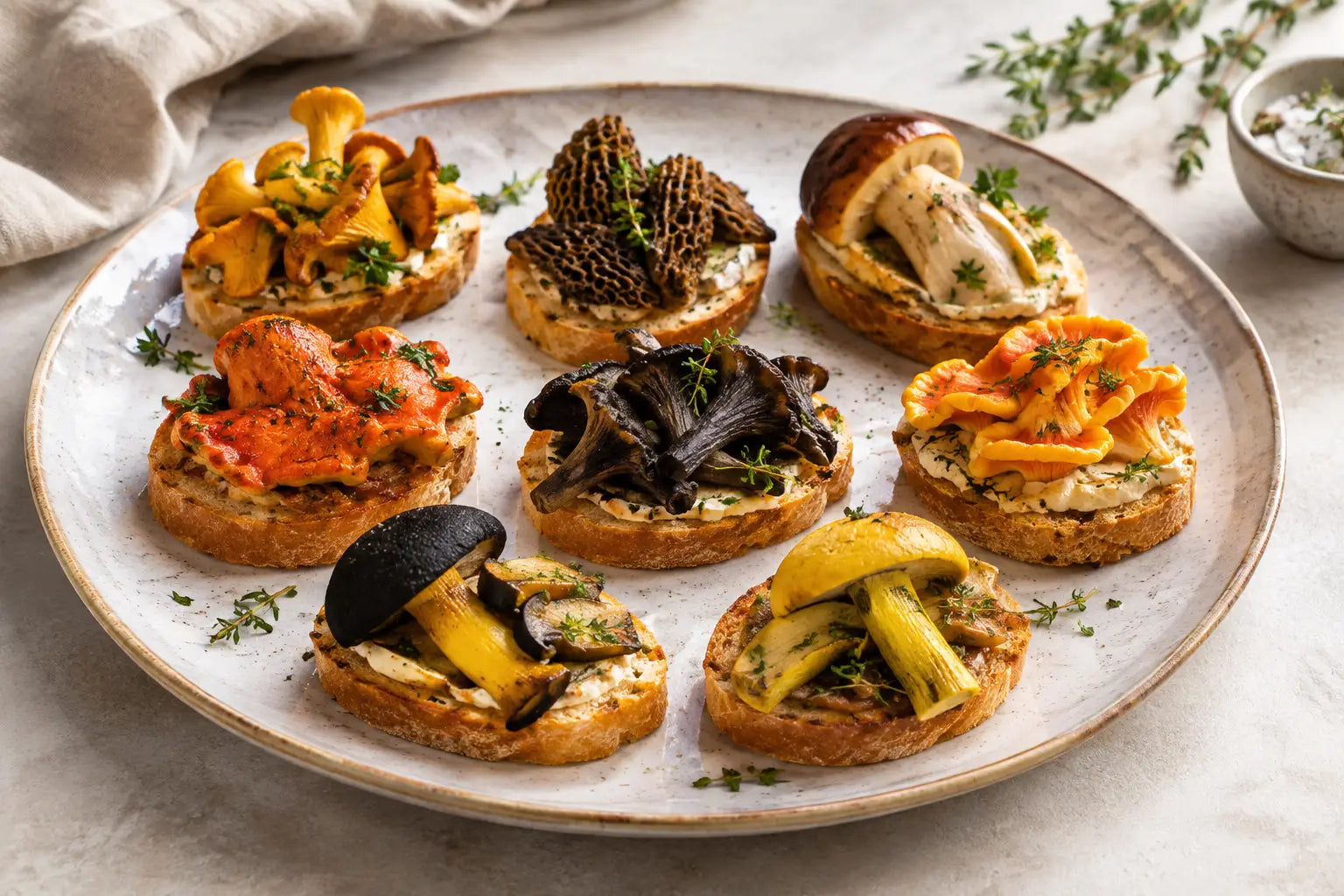
Try frozen chanterelles in a skillet with shallots, butter, and a splash of white wine, then spoon them over toasted sourdough. Fold frozen porcini into a risotto near the end of cooking, using their cooking juices as part of the flavor base. Sauté chicken of the woods until golden and use it in a creamy pasta, a savory hand pie, or a warm grain bowl.
The goal is not to hide frozen mushrooms in complicated recipes. It is to give them enough heat and enough space to show what they are capable of.
> Cooking callout: Frozen Wild Mushrooms
> Keep a premium wild mushroom variety in the freezer for mushroom toast, risotto, pasta sauces, and skillet suppers. Cook from frozen in a hot pan, then season once excess moisture has evaporated.
What Will Define the Next Generation of Frozen Mushrooms
As interest grows, the difference between ordinary frozen mushrooms and exceptional frozen wild mushrooms will become clearer. Home cooks will look beyond convenience and ask better questions: What variety is this? Was it preserved at peak quality? Will it deliver a distinct flavor in the pan? Can I trust it for a meal I am excited to serve?
Variety-specific cooking will matter more, too. A morel is not interchangeable with a porcini, and a lobster mushroom brings a different experience than a black trumpet. The future is not one generic bag of mushrooms for every recipe. It is greater access to the individual flavors that make wild mushrooms worth seeking out.
Packaging and guidance will also shape the experience. Clear portions, straightforward cooking instructions, and recipe ideas that respect the mushroom rather than bury it can help cooks get better results on the first try. Premium ingredients should feel approachable. A home cook should not need a complicated technique to make a bowl of pasta with wild mushrooms taste remarkable.
There is room for nuance here. Fresh wild mushrooms remain unmatched when a dish depends on their immediate, delicate texture or when the season itself is part of the occasion. Frozen mushrooms offer something different: flexibility, consistency, and the freedom to enjoy peak-season wild flavor when the calendar says otherwise. One format does not replace the other. Together, they make a richer mushroom kitchen possible.
How to Cook Frozen Specialty Mushrooms Well
Start with a hot skillet and avoid thawing in advance. Thawing can leave mushrooms sitting in released moisture before they ever meet the pan. Cooking directly from frozen lets that moisture evaporate quickly while keeping the process under your control.
Give the mushrooms time before seasoning aggressively. Salt is essential, but adding it after excess moisture has cooked away makes browning easier. Once the mushrooms have concentrated, finish them with butter, olive oil, shallots, garlic, thyme, a splash of wine, or a spoonful of stock depending on the dish.
Use frozen wild mushrooms where their savory depth has room to spread: folded into scrambled eggs, stirred through creamy polenta, layered on pizza, simmered into a pan sauce, or cooked with rice and Parmesan. If a recipe calls for fresh mushrooms, frozen can often work beautifully, but expect to extend the initial cooking time so the pan can dry out.
The future of frozen specialty mushrooms is ultimately more personal than technical. It means a snowy-night porcini pasta, a springlike morel brunch in another season, or chanterelles waiting for the moment you decide dinner should be more interesting. Wild mushrooms deserve that kind of place in the home kitchen: available, carefully preserved, and ready to make an ordinary meal feel considered.
Shop This Mushroom
Explore Crown Fungi’s current frozen wild mushroom offerings and choose a variety that fits the way you like to cook at home.