Cart
0
Morel mushrooms have a brief, celebrated season, but their flavor earns attention long after the first spring meals are served. At Crown Fungi, carefully handled wild morels give home cooks a direct path to one of the most distinctive ingredients in the mushroom world: deeply savory, lightly nutty, earthy, and wonderfully aromatic.
Their honeycomb caps do more than make morels recognizable. Those ridges hold onto butter, pan juices, and sauces, turning a simple preparation into something memorable. Morels do not need complicated treatment. They need thoughtful cleaning, enough heat, and a few ingredients that let their character stay front and center.
What Morel Mushrooms Taste Like
The flavor of morel mushrooms is richer than their delicate appearance suggests. Expect an earthy depth, a toasted nuttiness, and a meaty savoriness that feels especially at home with spring vegetables, eggs, poultry, pasta, and cream. Their aroma is part of the experience too - warm, woodsy, and distinctly wild.
Texture is just as important. Properly cooked morels are tender with a pleasant, lightly springy bite. Cook them too briefly and they can seem underdeveloped. Cook them in an overcrowded pan and they may steam rather than brown. The goal is a golden exterior and a moist, substantial center.
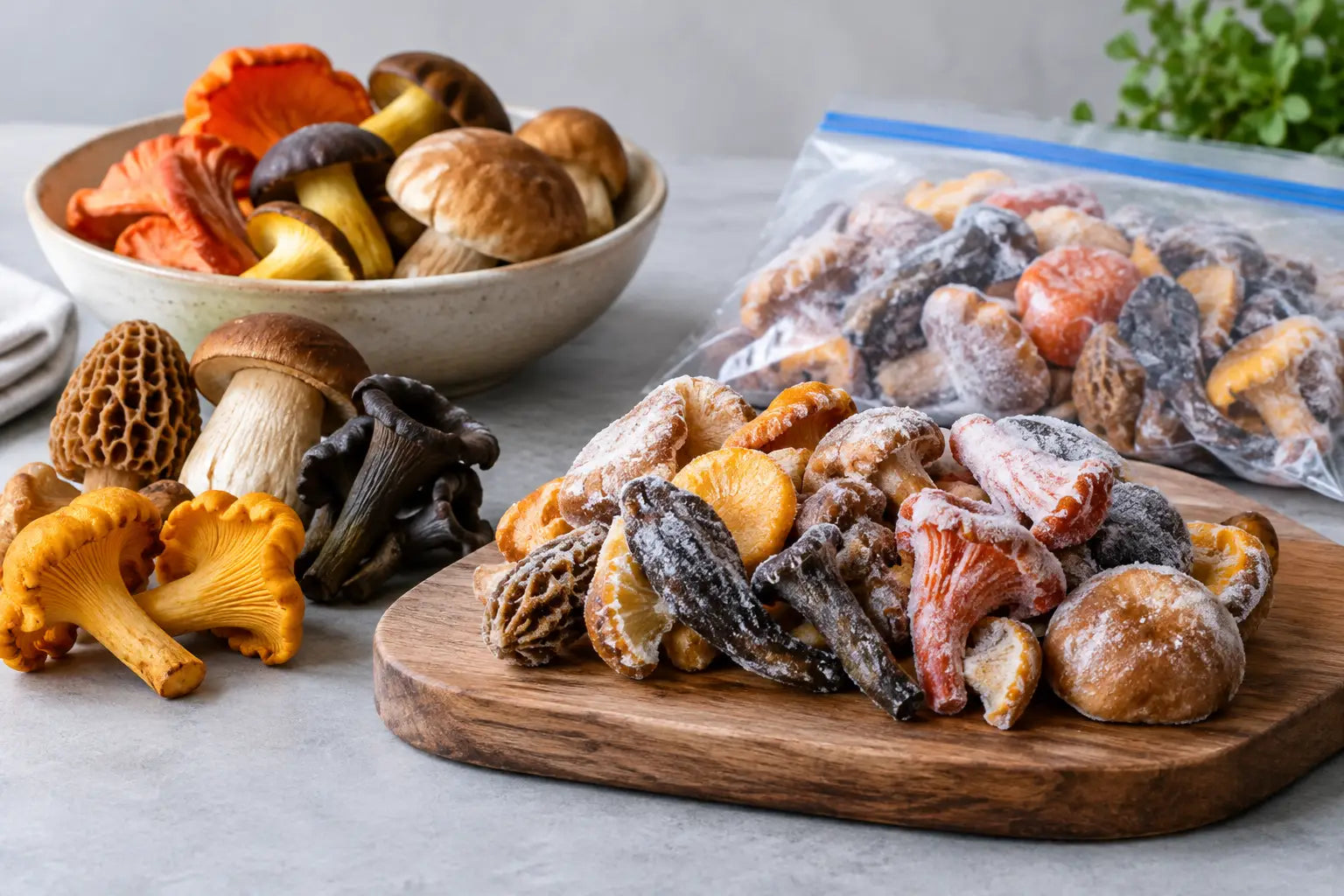
Fresh and frozen morels offer different advantages, and the right choice depends on your plans. Fresh morels are exceptional when you want their natural shape and texture to take the lead in a simple skillet dish. Frozen morels make it easier to bring that wild flavor to the table beyond the narrow fresh season. Used directly from frozen in a hot pan, they are especially useful in sauces, risottos, soups, and pasta dishes where their cooking juices become part of the dish.
How to Clean Morel Mushrooms
Morels deserve a gentle but deliberate clean before cooking. Their textured caps can hold natural forest debris, so do not simply wipe the surface and call it done. Work with a light touch to protect the mushrooms while making sure each one is ready for the pan.
Start by trimming the very end of the stem if it looks dry or tough. Slice larger morels in half lengthwise. This lets you inspect the hollow interior and makes the mushroom easier to clean and cook evenly. Give them a quick rinse in cool water, swishing lightly to release any grit, then drain promptly.
Dry them thoroughly with clean kitchen towels or paper towels. Moisture is the enemy of browning, so this small step makes a meaningful difference. Avoid soaking morels for an extended period. They can absorb water, which dilutes their flavor and makes it harder to achieve that golden edge.
The Best Way to Cook Morel Mushrooms
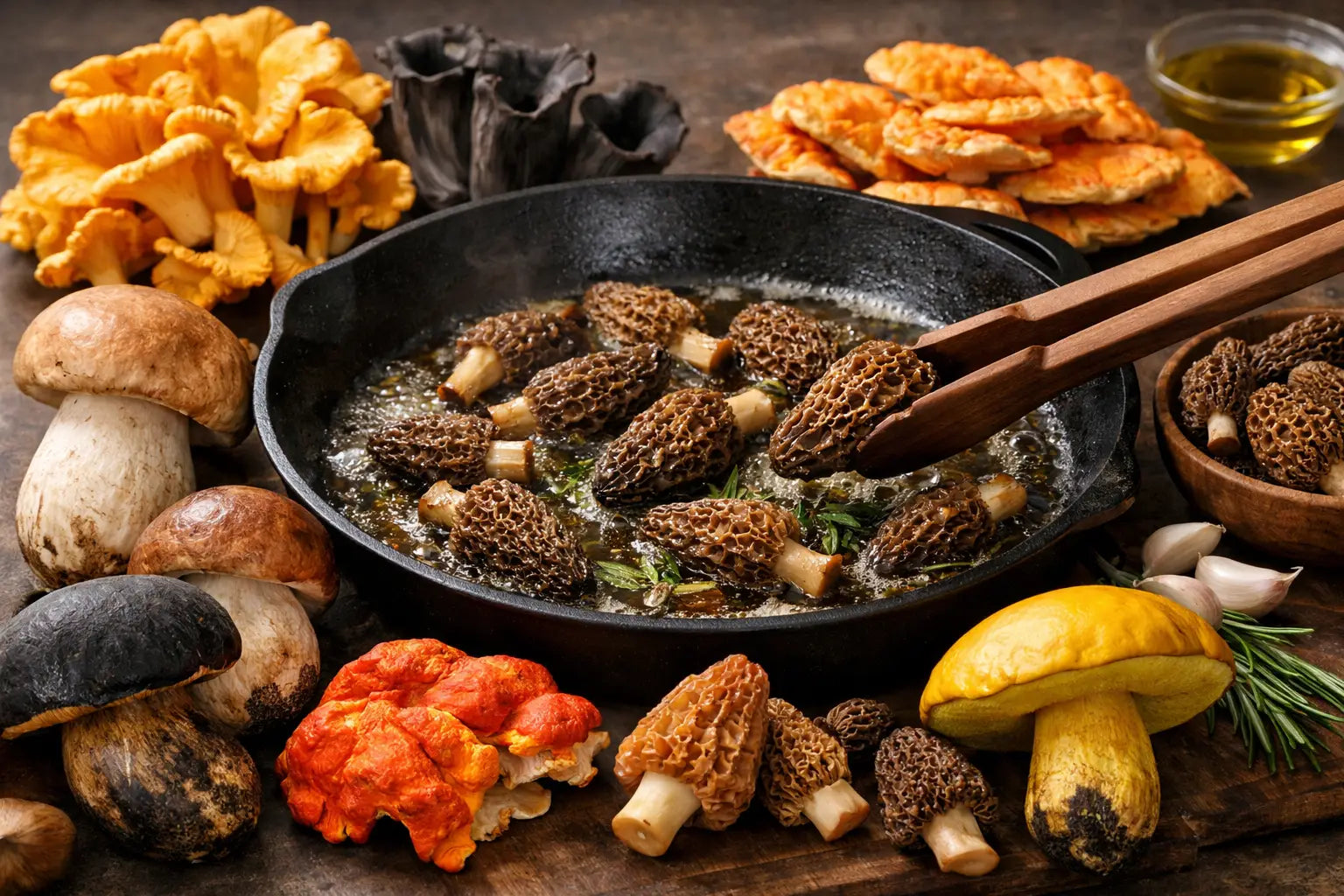
A hot skillet, butter, and a little patience are the foundation of great morels. Use a wide pan so the mushrooms have room to cook rather than pile up. If you are preparing a larger amount, work in batches. It takes a few extra minutes, but the flavor payoff is significant.
Warm the pan over medium-high heat and add a small amount of neutral oil before the butter. The oil helps keep the butter from browning too quickly. Add the morels in a single layer, season with a pinch of salt, and let them cook without frequent stirring. Once they begin to release moisture and take on color, add butter, a minced shallot, or a small amount of garlic if desired.
Cook morels thoroughly. Their complex flavor develops with heat, and a fully cooked mushroom has a more satisfying texture. Finish with black pepper, fresh herbs, or a squeeze of lemon, depending on the dish. A splash of cream, white wine, or stock can become a quick pan sauce, but use restraint. Morels are flavorful enough that heavy additions can obscure what makes them special.
> Morel Mushroom Kitchen Note
> For the cleanest flavor, give morels space in the pan and season simply. Butter, salt, pepper, and a finishing touch of lemon or herbs are often all they need.
Pairings That Let Morels Shine
Morels pair naturally with ingredients that are rich enough to support their savory depth without overpowering it. Eggs are a classic match because yolk adds richness while leaving the mushroom’s aroma intact. Fold sautéed morels into softly scrambled eggs, an omelet, or a frittata with chives.
Pasta is another excellent canvas. Toss cooked morels with tagliatelle, butter, a spoonful of pasta water, Parmesan, and fresh herbs. The ridged caps catch the glossy sauce, so every bite carries mushroom flavor. For a lighter direction, pair them with peas, asparagus, leeks, or tender greens.
Morels also work beautifully with chicken, especially when built into a simple skillet sauce. Brown the chicken first, then use the same pan for morels, shallots, and a small splash of stock. Finish with butter or cream and spoon the sauce over the chicken. The mushrooms bring depth without making the meal feel heavy.
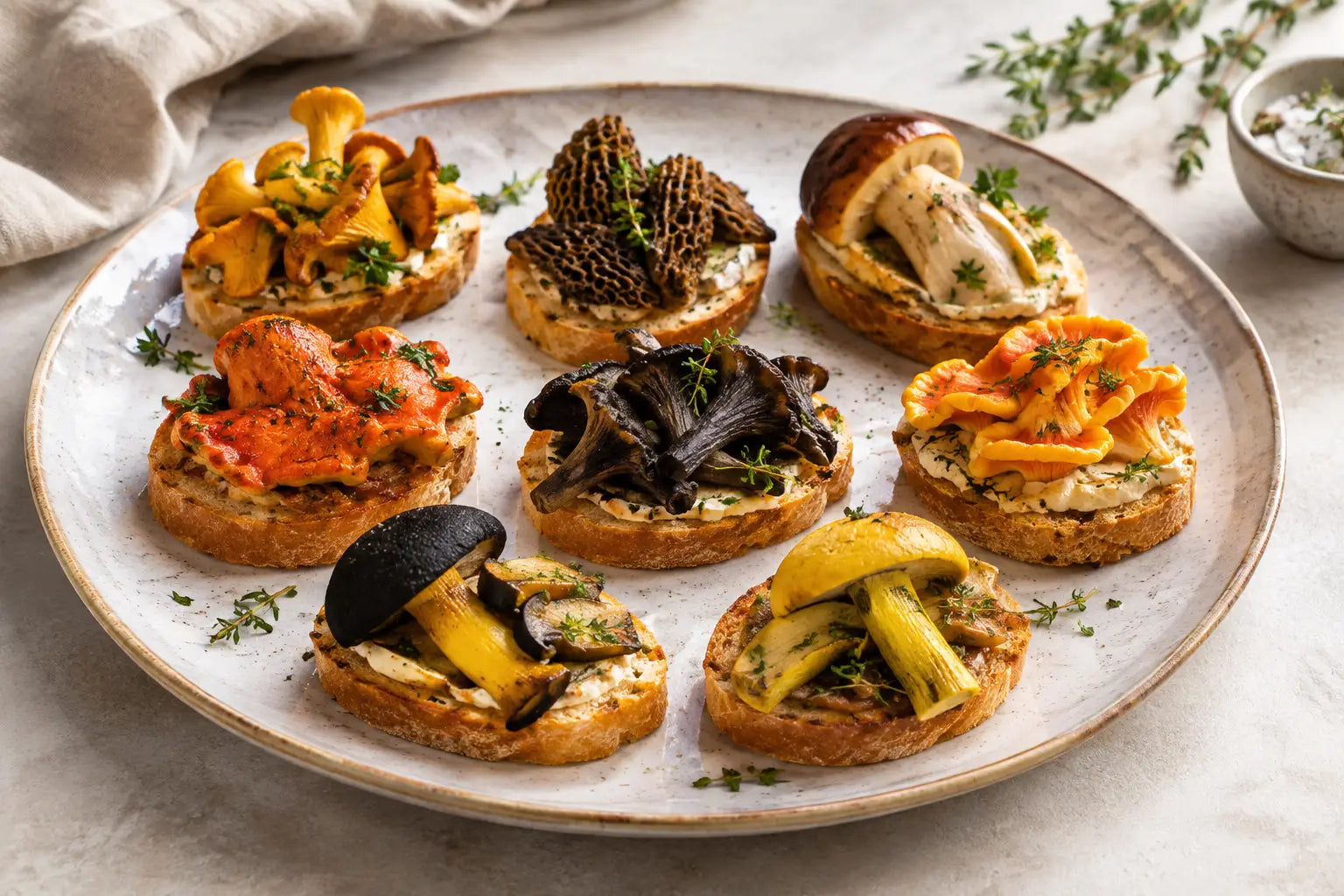
If you want to make morels the center of the plate, serve them over toasted sourdough or creamy polenta. Add a fried egg, herbs, and a little grated cheese. It is a straightforward meal with the kind of flavor that makes an ordinary evening feel considered.
Fresh or Frozen Morels: Which Should You Choose?
Fresh morels are ideal when seasonality is part of the occasion. Their form is beautiful on the plate, and a quick sauté lets their flavor speak clearly. Plan to cook them soon after they arrive and keep the preparation focused.
Frozen morels are the practical choice when you want dependable access to wild mushroom flavor outside the fresh window. They are particularly effective in dishes with a sauce, broth, or starch that welcomes their concentrated cooking juices. There is no need to wait for them to thaw fully. Add them to a hot skillet, cook off the excess moisture, then continue with butter and aromatics once they begin to brown.
Neither format is automatically better. It depends on the dish, the season, and whether you are cooking a quiet weeknight meal or building a special dinner around the mushrooms themselves. What matters most is using high-quality wild morels that have been handled carefully and cooking them with enough attention to preserve their texture and aroma.
A Simple Morel Mushroom Skillet
For an easy first preparation, cook cleaned morels in a wide skillet with butter and a little oil until tender and golden. Add sliced shallot near the end, followed by a small splash of stock or white wine. Let the liquid reduce until it lightly coats the mushrooms, then finish with chopped parsley, black pepper, and a few drops of lemon.
Serve the morels over toast, alongside eggs, or spooned onto roasted chicken. The preparation is simple on purpose. Once you taste how much flavor a well-cooked morel brings to the plate, you will understand why this wild mushroom is worth planning a meal around.
Shop This Mushroom
Explore Crown Fungi’s current fresh and frozen morel mushroom offerings and bring the unmistakable flavor of wild morels to your next meal at home.