October 21, 2026
How to Roast Chanterelle Mushrooms Perfectly
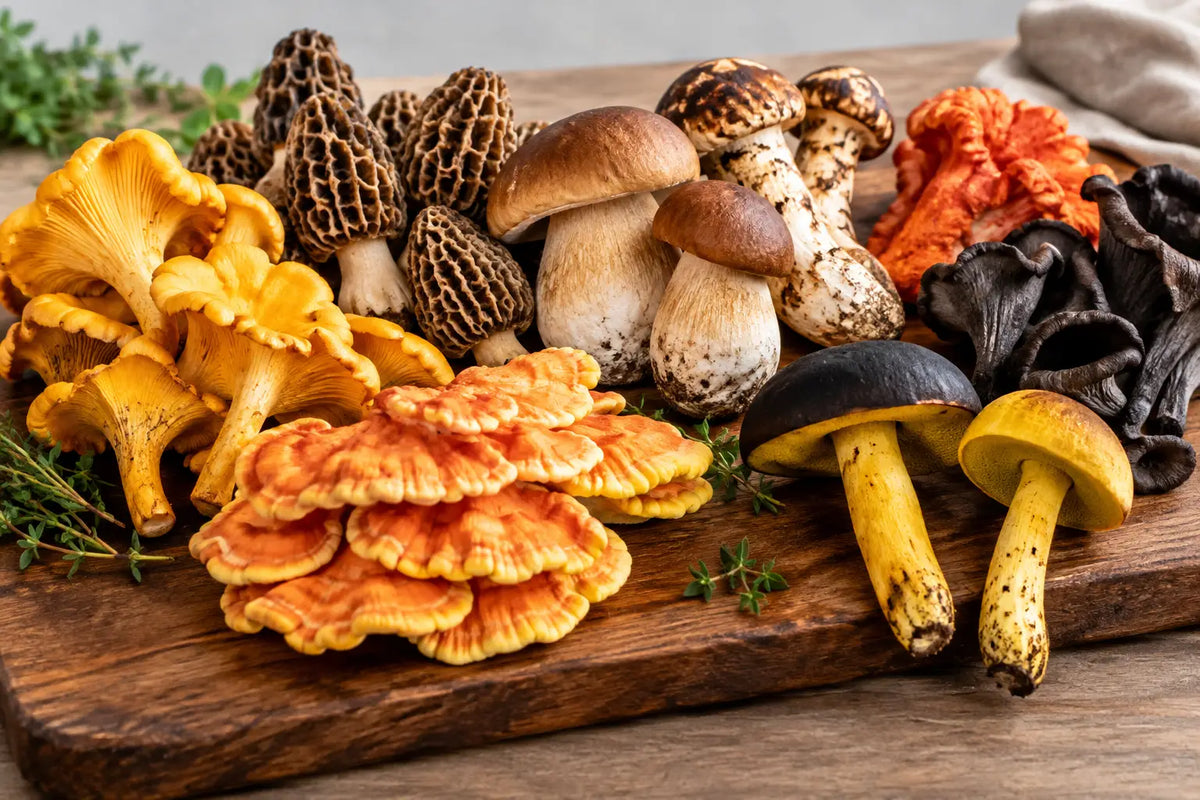
A tray of properly roasted chanterelles is one of the simplest ways to appreciate why these wild mushrooms are so prized. Crown Fungi selects wild chanterelles for the vivid golden color, delicate apricot-like aroma, and firm texture that make them exceptional with very little help. To roast chanterelle mushrooms well, the goal is not to cover up their flavor. It is to let heat concentrate it.
Roasting gives chanterelles browned, lightly crisp edges while keeping their centers tender and pleasantly springy. They are especially good when you want a mushroom side dish that feels special but does not ask for constant attention at the stove. A hot oven, a roomy pan, and a restrained hand with seasoning do most of the work.
Why Roast Chanterelle Mushrooms?
Chanterelles have a flavor that is gently fruity, woodsy, and buttery even before butter enters the picture. High heat deepens those qualities. As moisture cooks away, their golden surfaces caramelize and their aroma becomes more pronounced.
The trade-off is that chanterelles are not a mushroom to bury beneath a heavy sauce or a crowded sheet pan. If they steam instead of roast, their texture turns soft and their flavor stays muted. Give them space, use enough heat, and season simply at first.
Roasting is particularly useful for larger batches. Rather than working in several skillet rounds, you can make enough for a pasta, a warm grain bowl, or a generous side for a dinner at home. Their natural shape also creates little crisp ridges that catch finishing butter, herbs, and pan juices beautifully.
Start With Careful Prep
Fresh chanterelles often carry a little woodland character in their folds, especially near the stem and underneath the cap. Handle them gently. Their funnel shape is part of their appeal, but it is also where small bits of debris can settle.
Use a soft brush or a lightly damp paper towel to remove loose debris. For stubborn spots, rinse briefly under cool water, then dry them thoroughly with clean towels. Do not leave them soaking. Extra surface moisture works against browning, and chanterelles already release moisture as they cook.
Trim only the tough, discolored end of the stem. Keep smaller chanterelles whole. Halve medium mushrooms lengthwise, and tear or quarter the largest ones so the pieces cook at roughly the same rate. Uneven pieces are not a problem, but a mix of tiny whole mushrooms and oversized caps can leave some pieces dry before others are browned.
Fresh and frozen chanterelles need slightly different handling
Fresh chanterelles can go straight from cleaning to the sheet pan. For frozen chanterelles, roast from frozen rather than thawing them on the counter. Spread them in a single layer on a preheated sheet pan and give them a head start before adding oil or butter. This lets excess moisture evaporate instead of collecting around the mushrooms.
Frozen mushrooms may need a few additional minutes, and they may not develop quite the same delicate crispness as very dry fresh mushrooms. They still deliver deep chanterelle flavor and are a smart choice when you want wild mushroom character ready for an easy weeknight meal.
The Best Temperature and Method
Set the oven to 425°F. This temperature is hot enough to brown chanterelles efficiently without scorching their more delicate edges. Place a sturdy rimmed baking sheet in the oven while it heats. Starting with a hot pan gives the mushrooms an immediate sizzle and helps prevent steaming.
Toss prepared chanterelles with olive oil, kosher salt, and freshly ground black pepper. Use just enough oil to give them a light gloss. Too much fat can make the mushrooms feel slick, while too little can lead to dry patches before they have a chance to brown.
Carefully spread the mushrooms across the hot sheet pan in one layer. Leave visible space between pieces. If you have enough chanterelles to crowd the pan, use two pans. This one decision makes a bigger difference than adding extra seasoning.
Roast for 15 to 22 minutes, stirring or turning once around the halfway point. Smaller fresh chanterelles may be ready closer to 15 minutes. Larger pieces and frozen chanterelles can take 20 to 25 minutes. They are done when the edges are browned, the mushrooms have shrunk slightly, and any liquid on the pan has cooked away.
If the pan starts to look watery at the halfway point, keep roasting rather than adding more oil. The moisture will evaporate as long as the mushrooms are not piled together. If they are browning too aggressively at the thinnest edges, lower the oven to 400°F for the remaining minutes.
Finish Them After They Brown
The oven builds the savory foundation. Finishing ingredients should brighten it, not compete with it. Add a small pat of butter during the last two or three minutes of roasting if you want a rounder, richer finish. Butter added too early can brown before the mushrooms do.
Once the chanterelles come out of the oven, a pinch of flaky salt is often all they need. A few drops of lemon juice bring focus to their richness, while minced parsley, chives, or thyme add freshness. Choose one direction rather than using every garnish at once.
Garlic is delicious with chanterelles, but timing matters. Add a finely grated or minced clove only in the last few minutes of roasting, or toss it with the hot mushrooms after they leave the oven. Garlic that spends the whole roast on a 425°F pan can turn bitter.
A simple finishing combination
For a classic preparation, roast the chanterelles with olive oil, salt, and pepper. Finish with butter, thyme leaves, and a small squeeze of lemon. Serve immediately, while the edges are still crisp and the aroma is at its fullest.
Ways to Serve Roasted Chanterelles
Roasted chanterelles are substantial enough to be the centerpiece of a simple meal, but they also make familiar dishes feel more considered. Fold them into soft scrambled eggs just before serving, spoon them over creamy polenta, or add them to buttered pasta with a little pasta water and Parmesan.
They are especially good with ingredients that offer gentle richness: eggs, cream, potatoes, corn, risotto, and mild cheeses. For contrast, pair them with peppery greens, a squeeze of citrus, or a spoonful of tangy crème fraîche. With meat or fish, use chanterelles as a finishing element instead of cooking them into a dense sauce where their texture gets lost.
For toast, pile warm roasted chanterelles over ricotta or a soft goat cheese, then finish with herbs. For a dinner side, toss them with roasted fingerling potatoes and a handful of parsley. If you are making a rice dish, stir them in at the end so their browned edges stay distinct.
Common Mistakes That Keep Chanterelles From Browning
The most common problem is overcrowding. When mushrooms touch in a dense layer, they release water into the same small space and steam. Two pans are better than one overloaded pan, even if it means rotating them halfway through.
The second issue is adding wet mushrooms to the pan. A brief rinse is fine when necessary, but dry them carefully. The third is over-seasoning before roasting. Chanterelles have a distinctive personality. Save strong spices, assertive cheeses, and large amounts of garlic for another mushroom preparation.
Finally, do not walk away for too long after the 15-minute mark. Chanterelles can move from tender and golden to overly dry at the thin edges more quickly than dense mushrooms. Check them, taste one, and pull the tray when the texture is still lively.
Shop This Mushroom
Choose fresh chanterelles when they are in season, or frozen chanterelles preserved at peak quality when you want their unmistakable wild flavor ready for the oven. Explore Crown Fungi’s current seasonal mushroom offerings and bring a tray of golden, deeply roasted chanterelles to your next meal.