Cart
0
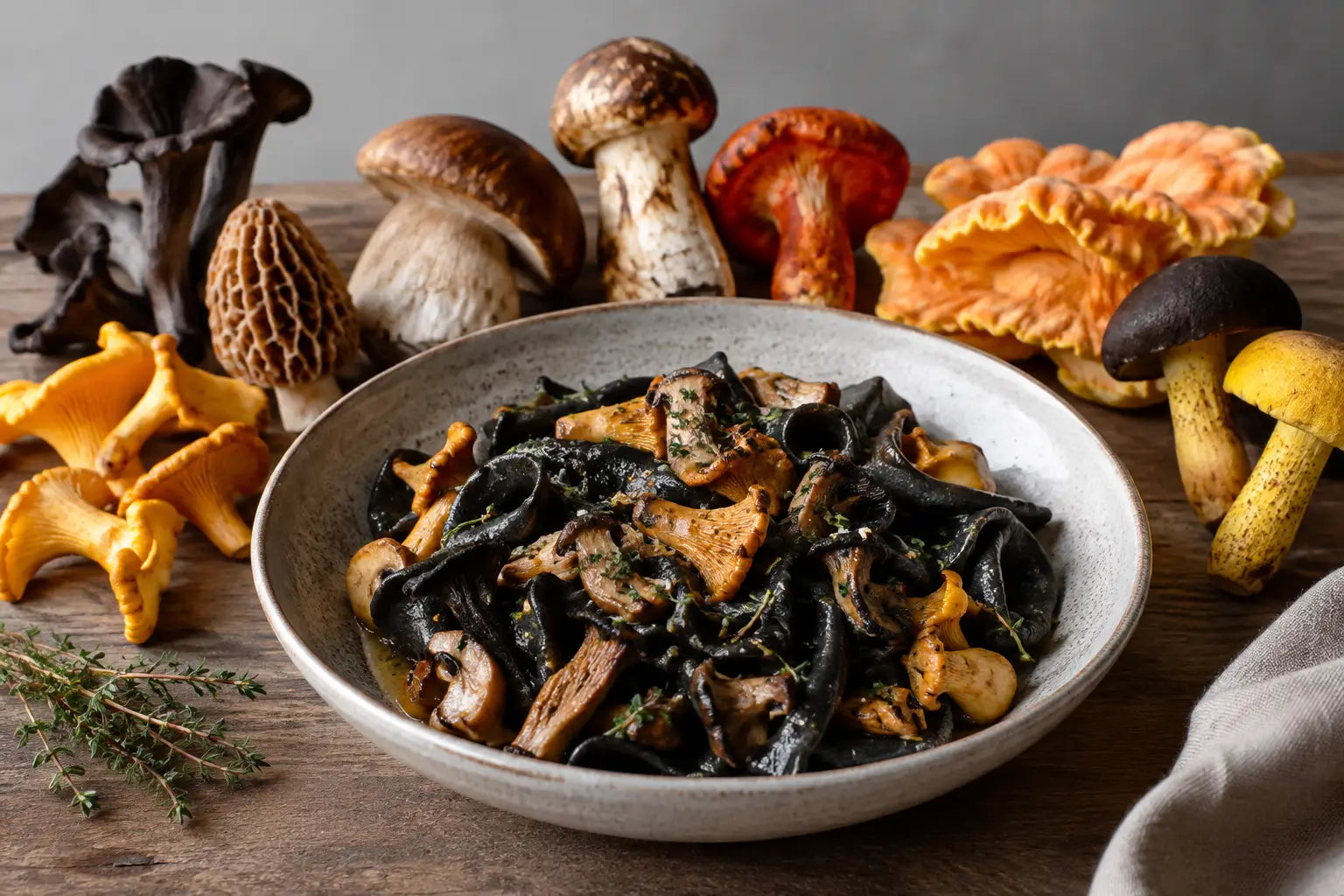
A bowl of black trumpet pasta does not need a crowded sauce to feel special. These wild mushrooms bring a dark, woodsy aroma and a savory depth that makes even a simple weeknight pasta taste considered. Crown Fungi focuses on carefully handled wild mushrooms because ingredients with this much character deserve a place at the center of the plate.
The key is restraint. Black trumpets have a naturally rich flavor, so the best pasta dishes build around butter, olive oil, garlic, shallots, cream, cheese, or a little bright acidity rather than competing with them. Whether you are cooking with fresh mushrooms in season or frozen black trumpets kept at peak quality, the goal is the same: let their texture and aroma lead.
Why black trumpet pasta works so well
Black trumpets are often called the truffle of the woods, and the comparison makes sense at the table. Their flavor is earthy and deeply savory, with a subtle fruitiness that becomes more pronounced when they meet warm butter or olive oil. They have an elegant, ruffled shape that catches in noodles and folds into sauce instead of sitting apart from it.
Pasta also gives black trumpets the right kind of support. Long strands such as tagliatelle, pappardelle, fettuccine, and linguine create a silky backdrop for a butter- or cream-based sauce. Short shapes such as rigatoni and orecchiette work well when the mushrooms are folded into a more substantial preparation with peas, pancetta, or roasted squash.
The best choice depends on the dish. For a quiet, mushroom-forward dinner, use egg pasta with butter, shallot, Parmesan, and black pepper. If you want more contrast, pair the mushrooms with lemon, white wine, or a spoonful of crème fraîche. The bright element should lift the mushrooms, not turn the dish sharply acidic.
Start with a simple black trumpet pasta formula
A reliable black trumpet pasta begins with a generous skillet, a pot of well-salted pasta water, and ingredients that cook at a similar pace. Start by warming olive oil or butter over medium heat. Add finely sliced shallot and cook until soft and sweet, then add the black trumpets.
Fresh black trumpets should be handled gently. Their folds can hold bits of forest debris, so inspect them closely and brush away anything visible. If they need rinsing, do it quickly and dry them thoroughly before they reach the pan. Excess water prevents browning and can mute their concentrated flavor.
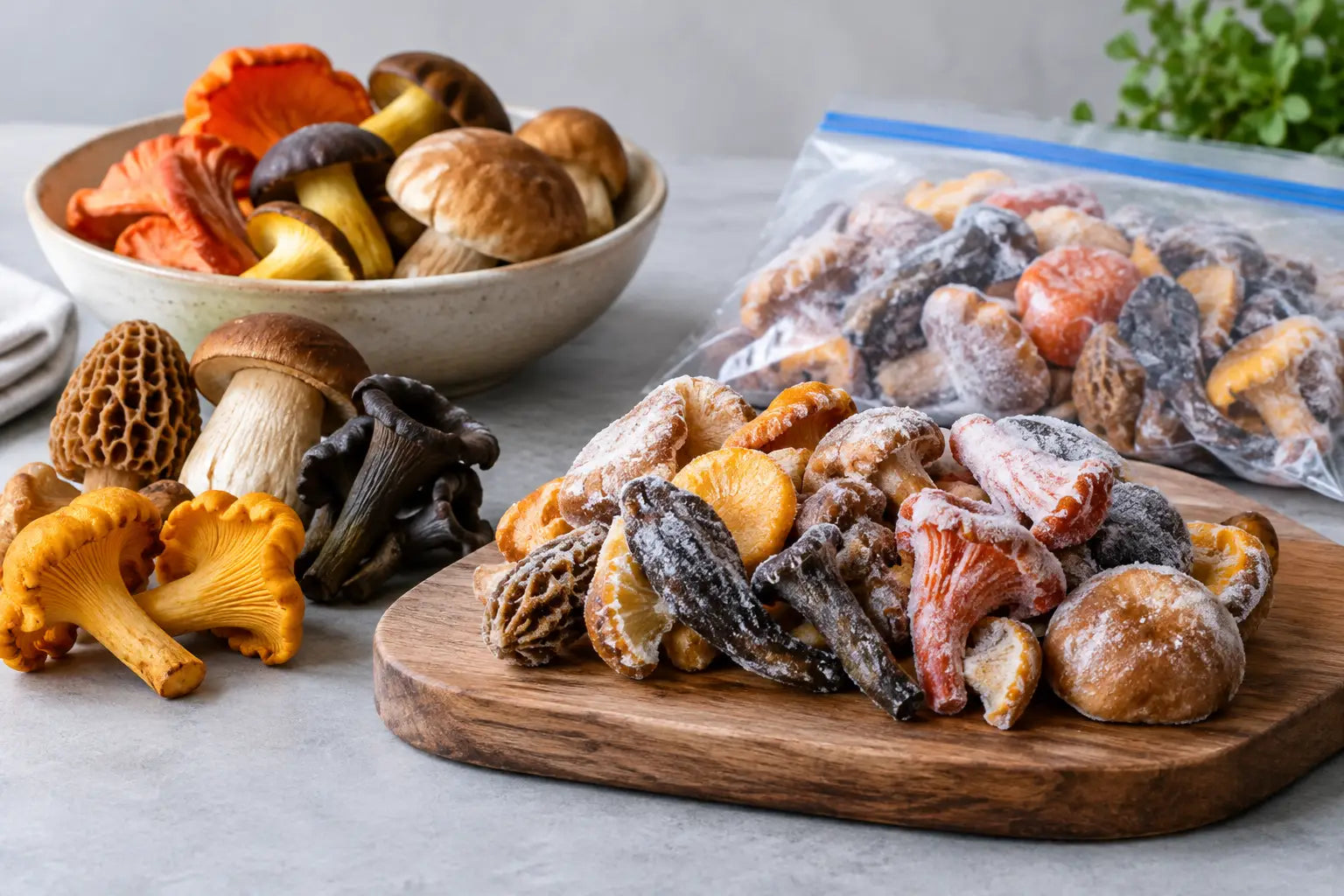
Frozen black trumpets are especially convenient for pasta because they can go straight into a hot skillet. Give them room, cook off the moisture they release, and wait until the pan smells fragrant before adding aromatics or liquid. A splash of white wine is excellent here, but it is optional. Pasta water provides enough starch to bring butter, cheese, and mushroom juices together into a glossy sauce.
Cook the pasta until just shy of done, then transfer it directly to the skillet. Add a splash of pasta water and toss steadily over low heat. Finish with grated Parmesan, Pecorino, or a small amount of soft cheese such as mascarpone. The sauce should coat the noodles lightly, not pool beneath them.
Choose additions that respect the mushrooms
Black trumpets are flexible, but they are not a blank canvas. Heavy tomato sauces, intense chile heat, and large amounts of sweet ingredients can hide the delicate details that make them worth seeking out. Keep the supporting flavors deliberate.
Butter and sage make a classic cold-weather combination, especially with pappardelle. A little lemon zest added off the heat gives the dish clarity without overwhelming the forest-like aroma. Garlic works beautifully, though one small clove is often enough. Shallot is usually the gentler choice when you want the mushrooms to stay in focus.
For a richer black trumpet pasta, use a modest amount of cream and balance it with pasta water. The finished sauce should taste mushroom-led rather than simply creamy. If you prefer a lighter style, use olive oil, white wine, parsley, and a finish of lemon. Both approaches are worthwhile, and the choice comes down to the kind of meal you want.
> Black Trumpet Cooking Callout
> Fresh and frozen black trumpets are best when treated as the main flavor, not an afterthought. For current seasonal selections, explore Crown Fungi’s wild mushroom offerings before planning your pasta night.
A dependable 30-minute black trumpet pasta
For two generous servings, cook about 8 ounces of pasta in well-salted water. While it cooks, warm 2 tablespoons of butter and 1 tablespoon of olive oil in a wide skillet. Add one finely minced shallot and cook for several minutes until translucent. Add roughly 4 ounces of black trumpets and cook until tender and aromatic.
Deglaze the pan with a small splash of white wine or pasta water. Add the nearly cooked noodles along with another splash of pasta water, then toss until the liquid turns glossy. Take the skillet off the heat and add finely grated Parmesan, more butter if needed, black pepper, and a little lemon zest. Taste before salting, since both pasta water and cheese bring seasoning.
This formula leaves room for small changes. Add peas in the final minute for sweetness and color. Fold in crisp pancetta if you want a smoky edge. Use toasted hazelnuts for a little crunch, or stir in baby spinach just long enough for it to wilt. Keep the total number of additions low so every bite still tastes unmistakably of black trumpet.
How to avoid common texture problems
The most common mistake is crowding the skillet. When too many mushrooms cook in a small pan, they steam rather than concentrate. Use the widest pan you have, cook over medium to medium-high heat, and let released moisture evaporate before adding wine, cream, or pasta water.
Another mistake is adding cheese while the skillet is very hot. Parmesan can clump or turn greasy when overheated. Toss the pasta off the heat, add the cheese gradually, and loosen with a tablespoon or two of warm pasta water until the sauce becomes smooth.
Be equally careful with salt. Black trumpets have a naturally savory quality, and salty cheeses or cured pork can push the dish too far. Season in stages, then make the final adjustment once the pasta and sauce are fully combined.
Pair black trumpet pasta with the right table setting
This is a dish that feels at home with a simple green salad dressed in lemon and olive oil, or with roasted asparagus when it is in season. A crisp white wine, light-bodied red, or sparkling water with citrus will keep the meal balanced. Skip anything overly sweet or aggressively spiced.
Leftovers can be reheated gently with a spoonful of water in a covered skillet, though black trumpet pasta is at its best right after tossing. If you are cooking for guests, prepare the mushroom base ahead of time and finish the pasta just before serving. That keeps the sauce glossy and the mushrooms expressive.
Shop This Mushroom
Bring the deep, woodsy character of black trumpets to your next pasta night by exploring Crown Fungi’s current seasonal wild mushroom offerings. Choose the fresh or frozen option available for your kitchen, then keep the preparation simple enough to let the mushrooms speak for themselves.