Cart
0
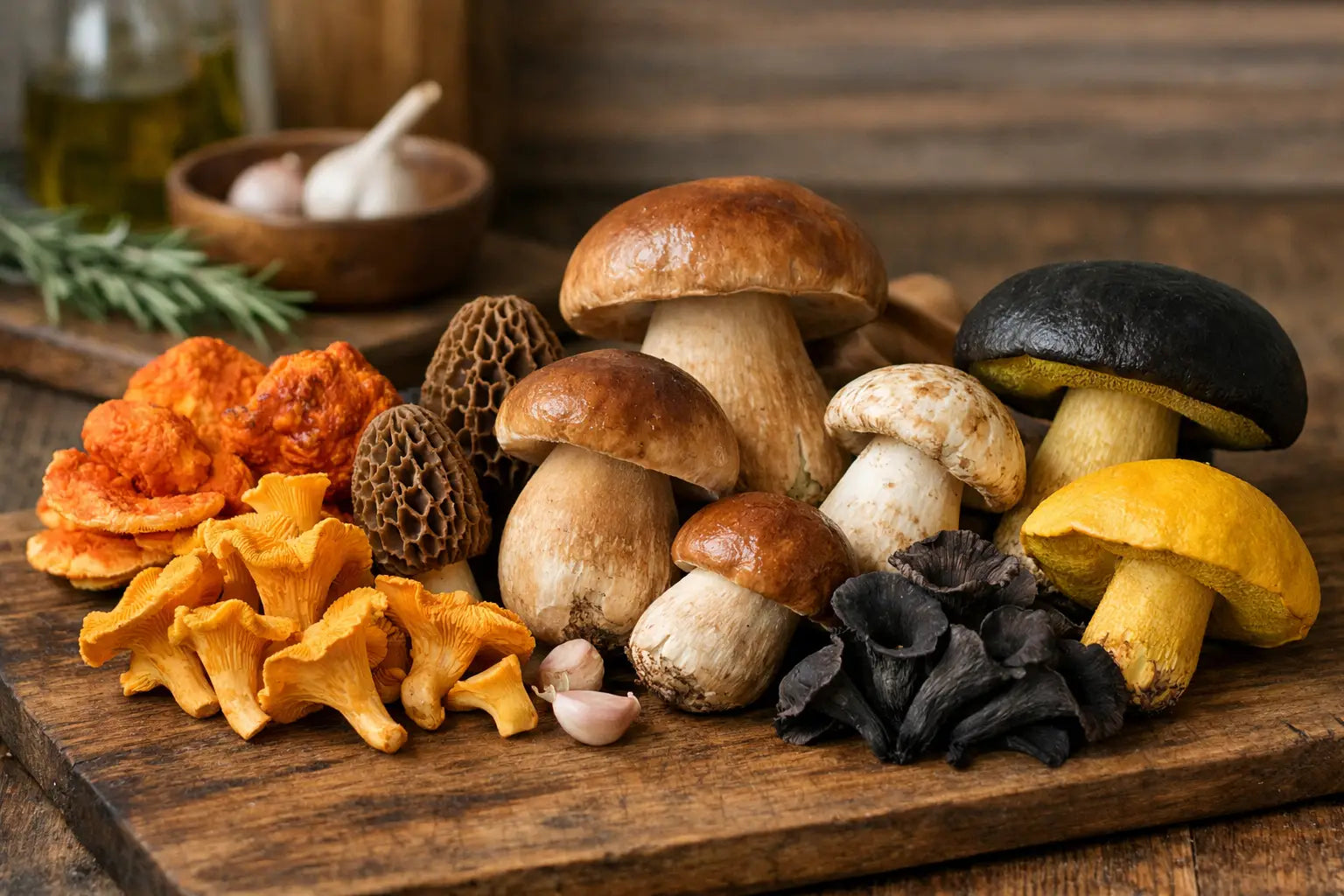
Porcini have a flavor that can make a simple pan of pasta, a bowl of risotto, or a buttered piece of toast feel unusually complete. This porcini flavor guide is for home cooks who want to understand what makes these prized wild mushrooms distinctive and how Crown Fungi’s carefully handled fresh seasonal and frozen porcini can bring that character to the table.
Porcini are not subtle, but they are not aggressively mushroomy either. Their appeal is depth: a warm, woodsy aroma, a rounded nuttiness, and savory richness that settles into a dish rather than sitting on top of it. When porcini are the main ingredient, they taste luxurious. When they are one part of a recipe, they make the ingredients around them taste more grounded and connected.
What Do Porcini Taste Like?
The easiest description is nutty, earthy, and deeply savory. Fresh porcini can have a clean forest-floor aroma, with notes that suggest toasted hazelnuts, browned butter, and damp autumn leaves. Their flavor is richer than many common mushrooms, but it is also more refined than the word “earthy” sometimes implies.
A good porcini has a gentle sweetness beneath its savory core. That sweetness becomes clearer with heat, especially when the mushroom is cooked in a wide pan until its moisture has evaporated and its edges begin to brown. The result is meaty without tasting like meat, substantial without being heavy.
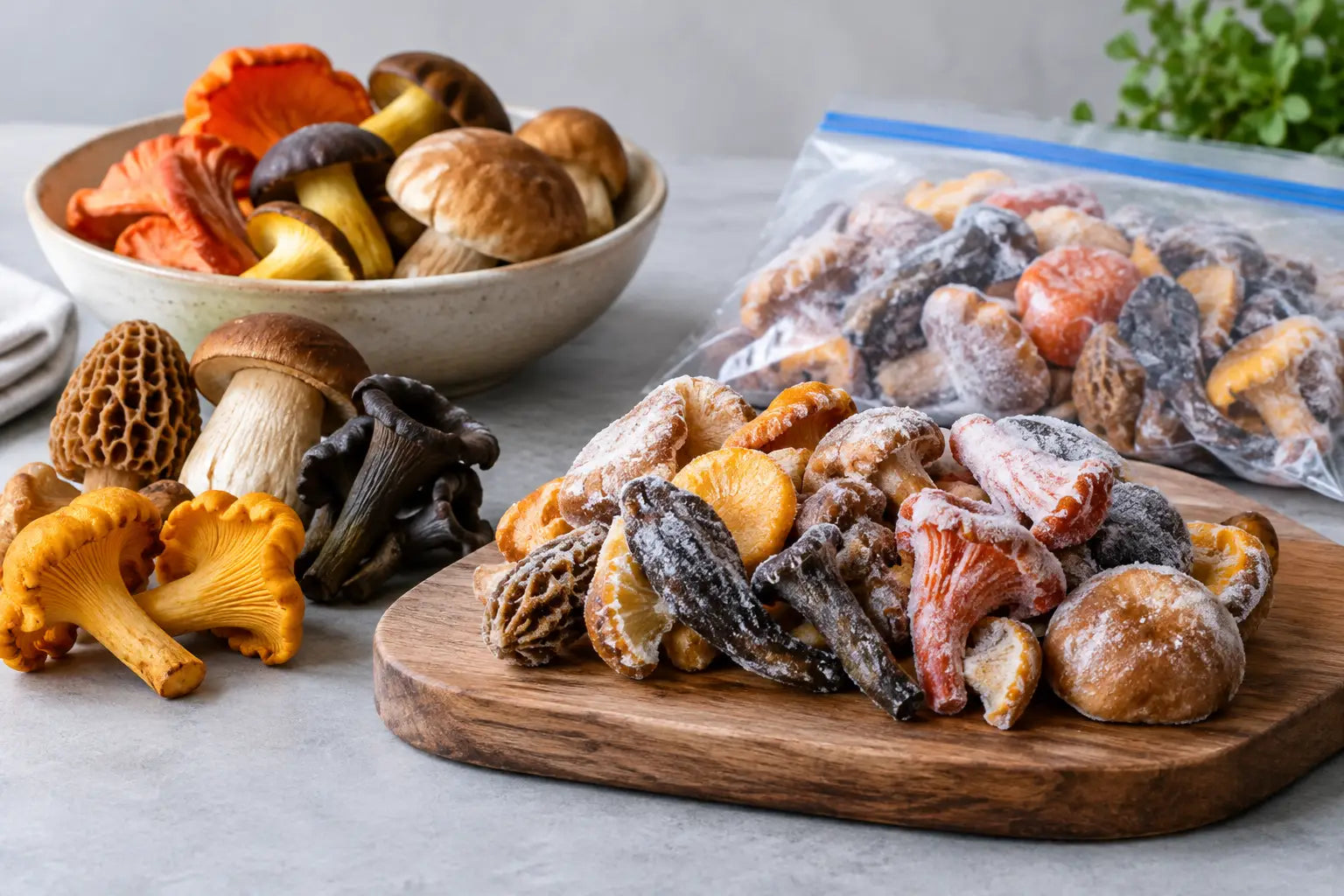
Frozen porcini preserve much of that signature flavor at its peak. They are especially useful when a recipe needs porcini’s savory perfume but fresh seasonal mushrooms are not part of the current offering. The texture will be softer than a carefully sautéed fresh porcini, so frozen porcini shine in sauces, soups, risotto, ragù, stuffing, and other dishes where their flavor can move through the whole recipe.
Porcini Flavor Compared With Other Wild Mushrooms
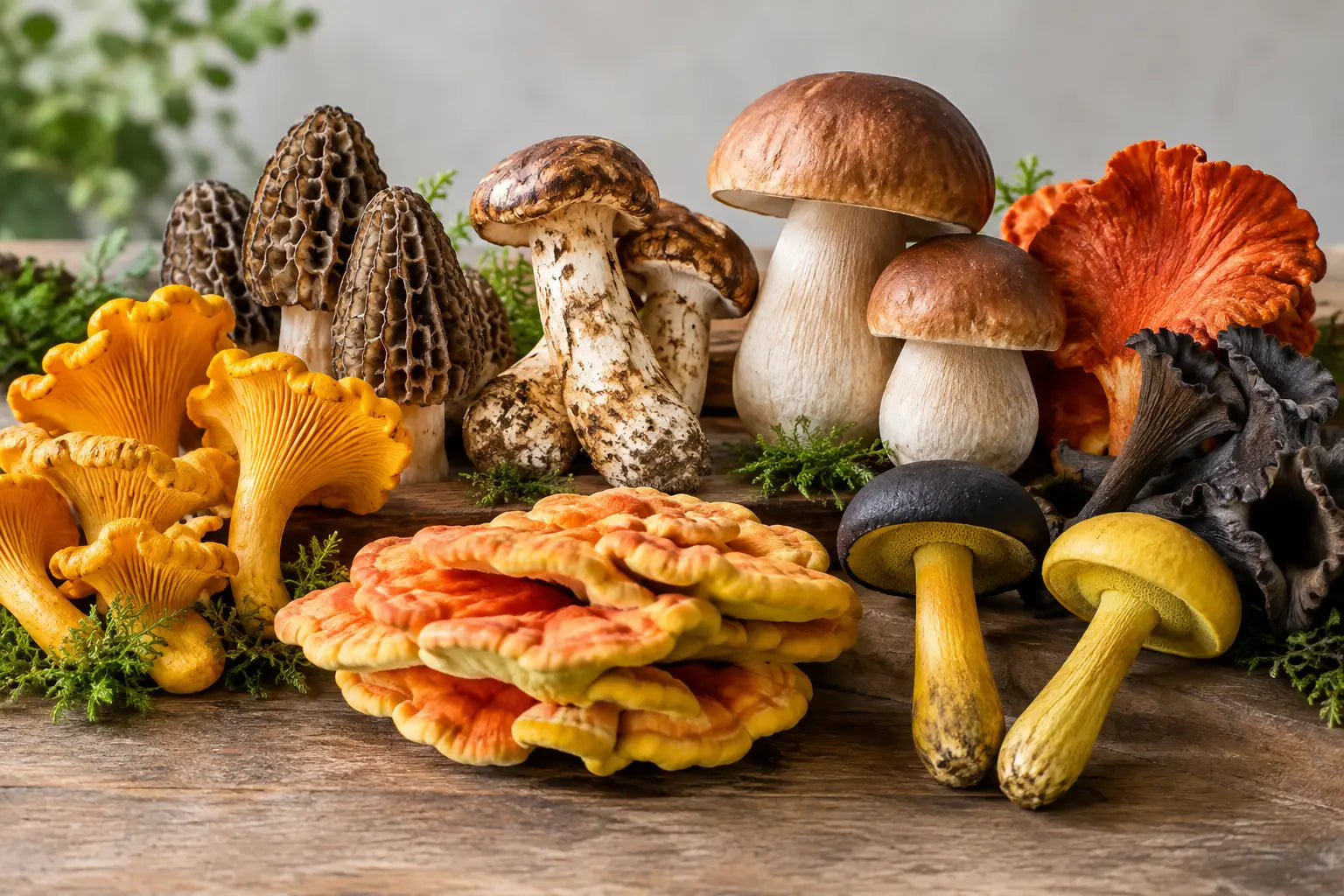
Porcini are often grouped with other premium wild mushrooms, but their profile is distinctly their own. Chanterelles are brighter and more delicate, often with a fruity, apricot-like lift. Morels are intensely earthy and honeycombed, with a darker, more concentrated savor. Black trumpets are smoky and dramatic. Matsutake are aromatic and spicy, with a pine-like character.
Porcini sit in the middle of that spectrum with unusual versatility. They offer pronounced flavor without demanding that every dish bend around them. A delicate preparation can highlight their aroma, while a richer preparation can use their depth as a foundation.
Their closest culinary comparison may be roasted nuts combined with a deeply savory stock. That is why porcini pair so naturally with ingredients that have their own roundness: cream, butter, olive oil, eggs, aged cheese, polenta, potatoes, and slow-cooked grains.
Texture Matters as Much as Flavor
A porcini’s texture changes across the mushroom. The cap is generally tender and substantial, while the stem is dense, smooth, and pleasantly firm when young. This gives porcini a satisfying bite that holds up well in a hot skillet.
Fresh porcini deserve enough space in the pan to brown. Crowding them traps steam and can mute both texture and flavor. Start with a hot skillet, add oil or butter, and cook the mushrooms in a single layer. Let them sit long enough to develop color before turning them. Salt toward the end, once browning has begun, then finish with a little butter, garlic, thyme, or a squeeze of lemon if the dish needs brightness.
Frozen porcini benefit from a slightly different approach. Cook them from frozen in a hot skillet and allow the released moisture to cook away before adding more fat or seasonings. This concentrates their flavor and prevents a watery finish. They do not need elaborate treatment. Give them time, then let their natural savor do the work.
> Porcini Spotlight
> Frozen Porcini Mushrooms bring the deep, nutty flavor of wild porcini to risotto, pasta sauces, soups, and cozy weeknight cooking. Check Crown Fungi’s current seasonal selection for availability and pricing.
The Best Ingredients to Pair With Porcini
Porcini pair best with ingredients that support their richness or provide a clean contrast. Butter and olive oil both work well, though they create different results. Butter emphasizes porcini’s toasted, nutty qualities. Olive oil keeps the dish lighter and lets the mushroom’s aroma stay more visible.
For starches, choose rice, pasta, polenta, potatoes, or good bread. Risotto is a classic for a reason: its creamy texture carries porcini flavor through every bite. A wide ribbon pasta such as pappardelle gives sautéed porcini room to stand out. Crisp roasted potatoes offer a more rustic contrast, while polenta makes a soft, comforting base.
Eggs are another excellent match. Fold sautéed porcini into scrambled eggs, spoon them over a soft omelet, or serve them on toast with a poached egg. Add a modest amount of Parmesan, Pecorino, or another aged cheese, but avoid using so much that the cheese overwhelms the mushroom.
Herbs should be chosen with restraint. Thyme, parsley, chives, rosemary, and sage all work, but use a light hand. Porcini have an aromatic complexity worth tasting on its own. Garlic is welcome, though one clove is often enough for a pan of mushrooms. Shallot is gentler and especially good in porcini pasta or risotto.
When to Add Acidity, Heat, and Wine
Porcini are rich, so acidity can be useful. A squeeze of lemon at the end of cooking brightens a buttery porcini dish. A splash of dry white wine can lift a cream sauce or risotto. Balsamic vinegar can work in small amounts with roasted porcini and vegetables, though its sweetness can quickly take over.
Heat is best kept moderate. Black pepper, red pepper flakes, and a little chili oil can add energy, but strong spices tend to cover porcini’s more nuanced notes. If you want a bolder dish, build intensity through browning, stock, cheese, and herbs rather than a heavy spice blend.
Wine deserves the same care. Use it to loosen the browned bits in the pan and add aroma, not to create a sharp, wine-forward sauce. Let it reduce almost completely before adding cream, stock, or pasta water. That keeps the finished dish focused on the mushroom.
Three Reliable Ways to Cook Porcini at Home
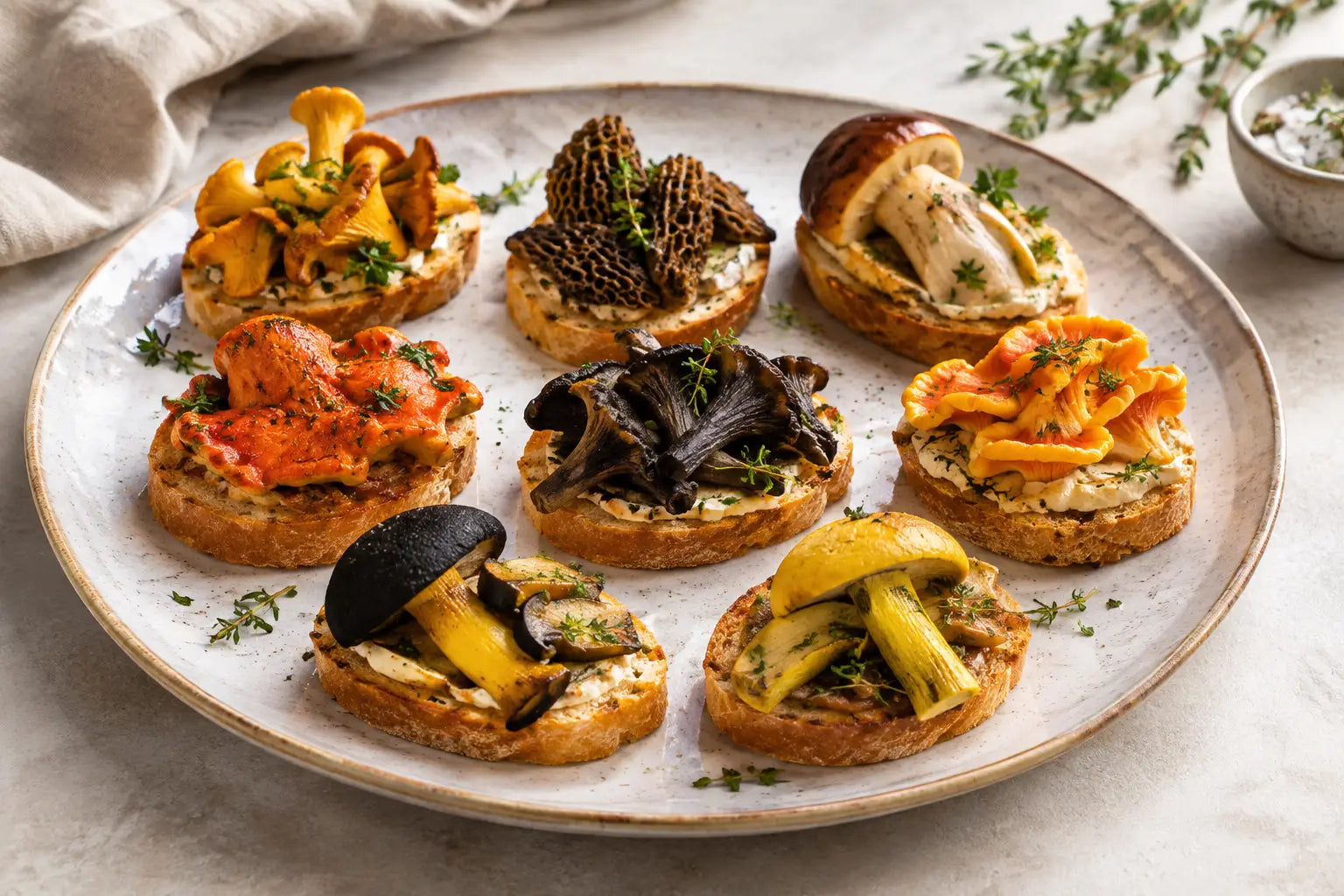
The simplest approach is a porcini sauté. Brown sliced porcini in butter and olive oil, add a little shallot and thyme, then finish with salt, pepper, and parsley. Serve over toast, folded into warm pasta, or alongside roasted chicken.
For a more comforting meal, make porcini risotto. Cook the mushrooms separately at first so they can brown properly, then stir them into the risotto near the end with Parmesan and butter. A spoonful of the sautéing juices adds extra depth without making the rice heavy.
For a weeknight-friendly option, make a porcini cream sauce. Cook the mushrooms until concentrated, add a splash of wine, then finish with cream and pasta water. Toss with pasta, add peas or spinach if you like, and use lemon zest to keep the dish from feeling too rich.
A Few Common Mistakes
The main mistake is treating porcini as a background ingredient when they should be the flavor center. Avoid pairing them with too many competing mushrooms, heavily smoked ingredients, or aggressively sweet sauces. Porcini can handle richness, but they lose their identity in cluttered recipes.
Another mistake is rushing the pan. Browning is where porcini develop their most appealing toasted notes. If the mushrooms release liquid, keep cooking until it evaporates before deciding they need more seasoning or fat.
Finally, do not assume every porcini dish needs cream. Cream is delicious, but porcini are equally compelling with olive oil, stock, eggs, and herbs. The best choice depends on whether you want a soft, luxurious dish or one where the mushroom’s woodsy aroma stays front and center.
Shop This Mushroom
When you want a meal to taste deeper, warmer, and more memorable without becoming complicated, porcini are a natural place to start. Explore Crown Fungi’s current fresh seasonal and frozen porcini offerings, and cook them simply enough to let their unmistakable flavor lead.