Cart
0
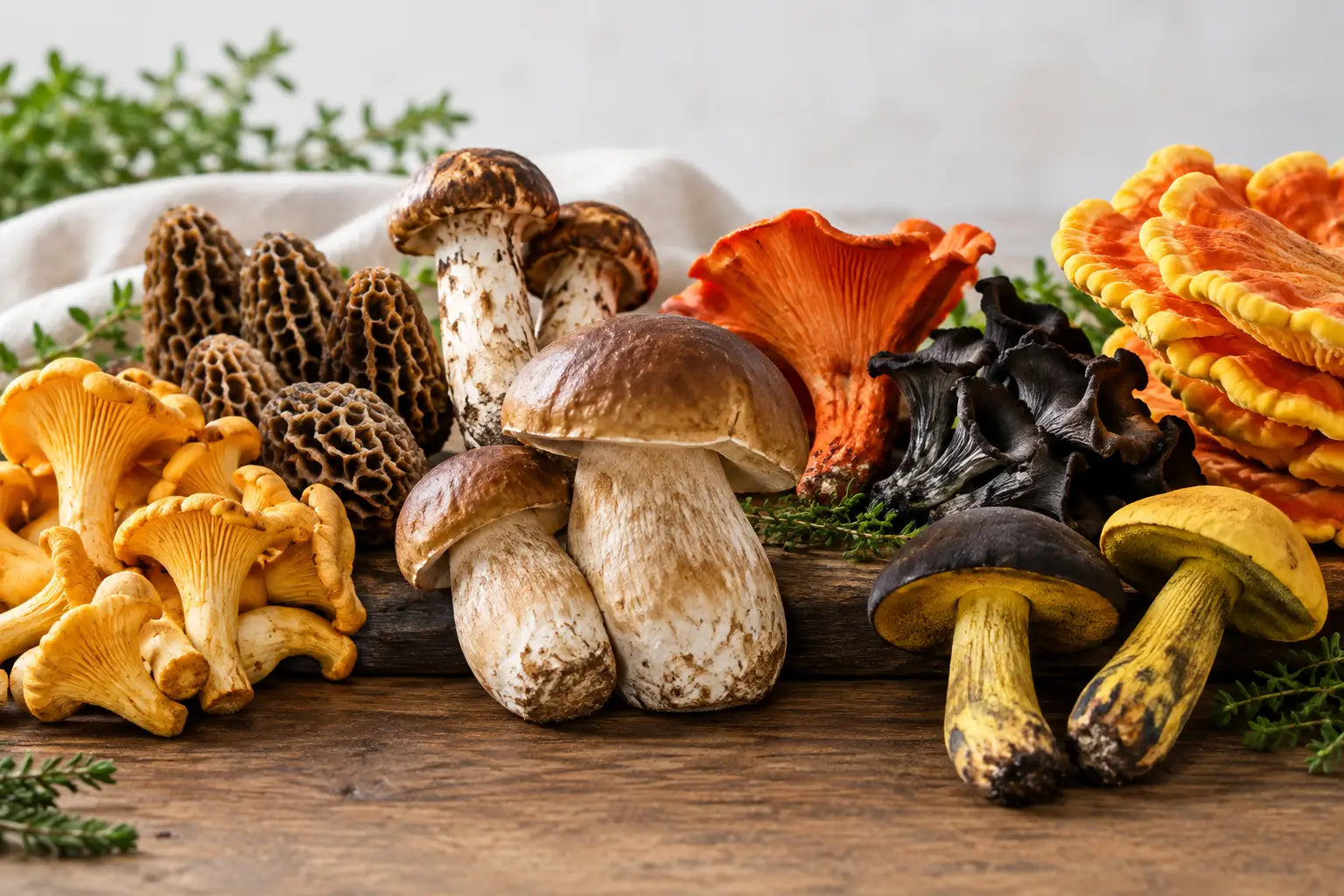
A pan of porcini mushrooms can make an ordinary dinner taste considered. Their aroma is woodsy and warm, their flavor is deeply savory, and their firm texture holds up beautifully beside butter, eggs, pasta, and roasted meat. At Crown Fungi, careful seasonal sourcing and peak-quality freezing make this prized wild mushroom easier for home cooks to enjoy when a special meal calls for something more distinctive.
Porcini are not delicate background mushrooms. They bring real presence to a dish, which is why a modest portion can transform a simple risotto or pan sauce. The key is to cook them with enough heat and enough space for their natural character to come through.
What Do Porcini Mushrooms Taste Like?
Porcini mushrooms have a rich, nutty, almost meaty flavor, with a clean forest-like aroma that is especially appealing in cool-weather cooking. Their taste is more rounded than sharp. Think toasted hazelnuts, browned butter, and savory broth, all in one ingredient.
Texture is part of the appeal. Well-cooked porcini have a substantial bite that feels satisfying rather than spongy. This makes them a natural fit for dishes where mushrooms need to stay noticeable, such as pasta with cream, polenta, risotto, or a skillet supper with chicken.
Because porcini are so flavorful, restraint usually produces the best results. A heavy hand with acidic sauces, strong chile heat, or too many competing herbs can flatten the very qualities that make them special. Let porcini lead, then add supporting flavors that deepen their savory side.
Fresh and Frozen Porcini: What Changes in the Pan
Fresh porcini are a seasonal pleasure. They are best when cooked promptly and simply, allowing their tender interior and firmer exterior to develop color in a hot pan. Brush away any visible debris, trim the tough end of the stem if needed, and slice larger mushrooms into pieces that will cook evenly.
Frozen porcini offer a different advantage: dependable access and excellent flavor preserved at the height of quality. For most sautéed preparations, cook frozen porcini straight from the freezer. Adding them directly to a hot skillet helps avoid a soft, waterlogged result that can happen when mushrooms thaw on the counter.
Either format benefits from the same basic principle: do not crowd the pan. Mushrooms release moisture as they cook. If the skillet is packed, that moisture accumulates and the porcini steam rather than brown. Use a wide skillet, work in batches if necessary, and wait to season generously until excess moisture has cooked away.
The best way to sauté porcini
Start with a heavy skillet over medium-high heat. Add a thin layer of neutral oil or olive oil, then arrange the porcini in one layer. Leave them alone for a minute or two before stirring. That contact with the pan creates the golden edges that bring out their nutty flavor.
Once the mushrooms have released moisture and the pan looks drier, add butter, a crushed garlic clove, or a few thyme leaves. Finish with salt, black pepper, and a small squeeze of lemon if the dish needs brightness. The lemon should sharpen the flavor, not turn the mushrooms sour.
For a richer finish, add a splash of cream, white wine, or stock after browning. Scrape up the browned bits from the pan, then simmer just long enough for the liquid to become glossy. Spoon the porcini and sauce over toast, soft polenta, or a steak rested on a warm plate.
A Crown Fungi Cooking Note
Frozen Porcini Mushrooms are especially useful when you want the flavor of a rare wild mushroom without waiting for a brief fresh season. Keep them frozen until cooking, then give them room in a hot skillet. Their concentrated character means a small amount goes a long way in a weeknight pasta or an occasion-worthy side dish.
What to Cook With Porcini Mushrooms
Porcini pair best with ingredients that are comforting but not overly busy. Butter, cream, eggs, Parmesan, potatoes, corn, poultry, beef, and mild herbs all work well. Their flavor also has a natural affinity for garlic, shallots, sage, thyme, parsley, and dry white wine.
Porcini pasta with browned butter
This is one of the easiest ways to make porcini the center of dinner. Sauté the mushrooms until browned, then add butter and let it foam until it smells toasted. Toss with wide pasta, a little pasta water, Parmesan, black pepper, and chopped parsley. If you want more depth, add a spoonful of mascarpone or crème fraîche, but use it sparingly so the mushrooms still taste like themselves.
Creamy porcini risotto
Porcini turn risotto into a meal that feels generous without requiring many extras. Brown the mushrooms separately first, then fold them into the rice near the end of cooking. Save a few of the best-looking pieces for the top. The contrast between creamy rice and browned porcini is the point.
Use a light stock and avoid overloading the risotto with cheese. Parmesan adds balance, but too much can make the finished dish taste heavy. A little lemon zest at the end can lift the richness without distracting from the mushroom flavor.
Porcini on toast with eggs
For brunch or a quick supper, pile sautéed porcini over thick, crisp toast. Add a fried or poached egg, flaky salt, and a few tender herbs. A swipe of ricotta or soft goat cheese works well, though the dish is equally good with just buttered toast and a runny yolk.
Roasted potatoes with porcini
Roast potatoes until crisp before introducing the mushrooms. Porcini cook much faster than potatoes, so add them in a separate skillet or during the final stretch of roasting. Finish with butter, chopped rosemary, and a little garlic. The potatoes absorb the mushroom-infused butter and turn a simple side into something worth serving at the center of the table.
Common Mistakes That Mute Porcini Flavor
The most common mistake is using too low a heat. Porcini need enough heat to evaporate moisture and create browning. A pale, wet pan produces softer mushrooms and less flavor.
Another mistake is adding butter too early. Butter can burn before frozen porcini have released their water, while fresh mushrooms may absorb it before they have browned. Start with oil, then add butter once the mushrooms have color and the pan is mostly dry.
Finally, do not bury porcini beneath too many strong ingredients. A little garlic is welcome. A mountain of garlic, aggressive smoked spices, or a heavy tomato sauce can make an expensive wild mushroom disappear. If you are trying porcini for the first time, cook them simply and learn their flavor before building a more elaborate dish around them.
How Much Porcini Do You Need?
It depends on the dish and on whether porcini are the main event or a finishing ingredient. For pasta, risotto, or a composed side, plan for enough mushrooms to appear in every bite rather than treating them as a garnish. For a sauce or toast topping, a smaller amount can be plenty because the flavor concentrates as the mushrooms brown.
Porcini are also an excellent choice for a dinner where you want one premium ingredient to do most of the work. Pair them with good butter, eggs, pasta, or potatoes, and the meal will still feel complete. That is part of their value: they make familiar home cooking taste unusually memorable.
Shop This Mushroom
Explore Crown Fungi’s current seasonal offerings for fresh and frozen porcini mushrooms, and bring their deep, savory character to your next pasta night, risotto, or skillet supper.