Cart
0
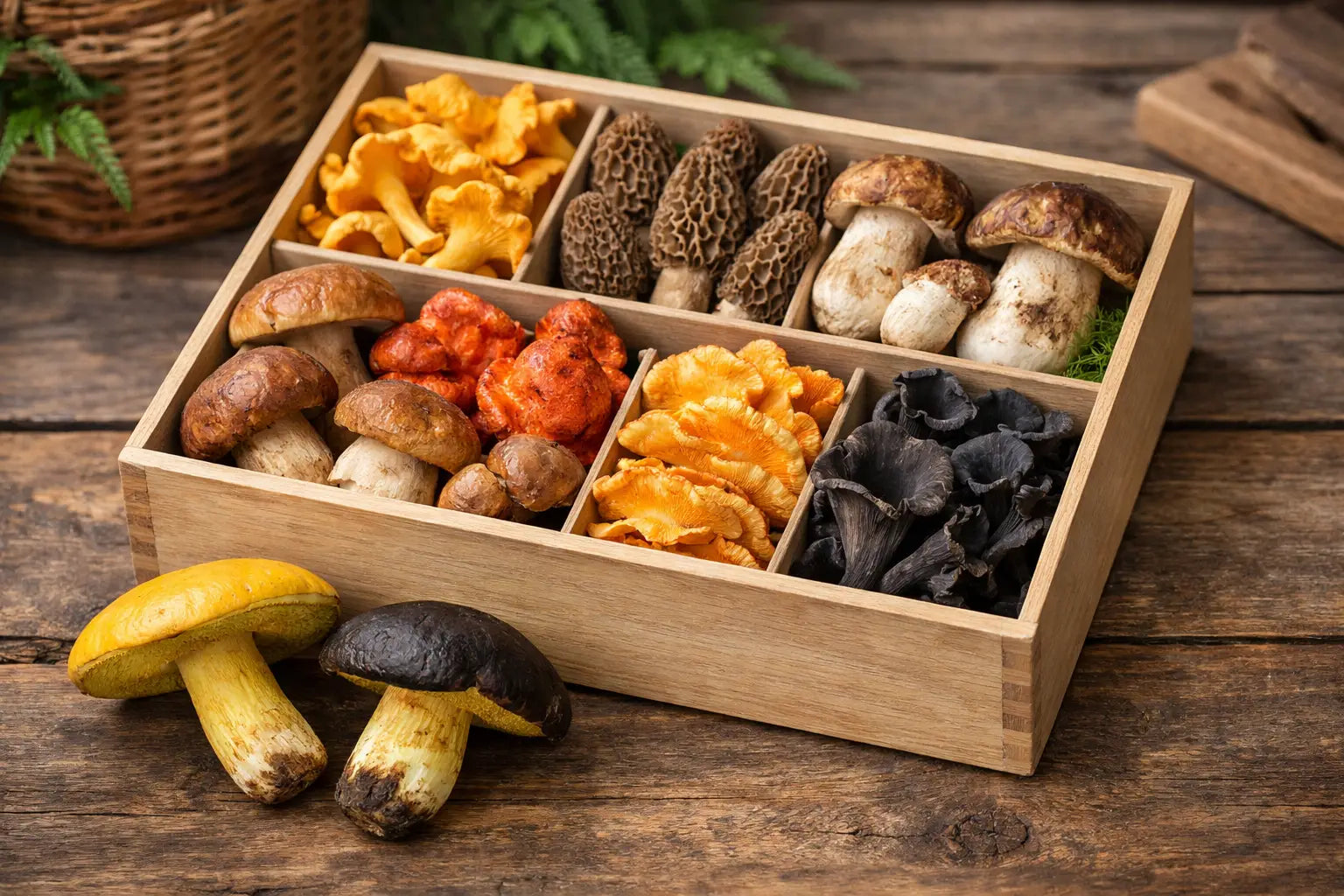
A wild mushroom gift box should arrive as a usable culinary asset, not a novelty assortment. At Crown Fungi, sourcing and handling begin with the realities of seasonality, preservation, and kitchen performance - the same standards that determine whether a rare mushroom earns space on a professional menu. For a chef, an enthusiastic home cook, or a client who values exceptional ingredients, the right box delivers distinct flavor, clear preparation value, and formats that fit the recipient’s kitchen.
What Makes a Wild Mushroom Gift Box Worth Giving
A premium mushroom gift is defined less by the number of varieties in the package than by the quality of the product and the thought behind its format. Wild mushrooms have pronounced differences in aroma, texture, moisture, and cooking behavior. A well-built selection gives the recipient ingredients they can use with confidence, whether they are planning a tasting menu, a dinner party, or a quiet weeknight pasta.
The strongest boxes balance immediate impact with lasting utility. Fresh mushrooms create a sense of occasion but require prompt use. Frozen mushrooms provide dependable access to peak-season character without forcing a tight cooking deadline. Dried mushrooms offer concentrated flavor and pantry flexibility. None is inherently superior. The right choice depends on when the gift will be opened, how the recipient cooks, and whether the goal is a single memorable meal or a series of dishes over time.
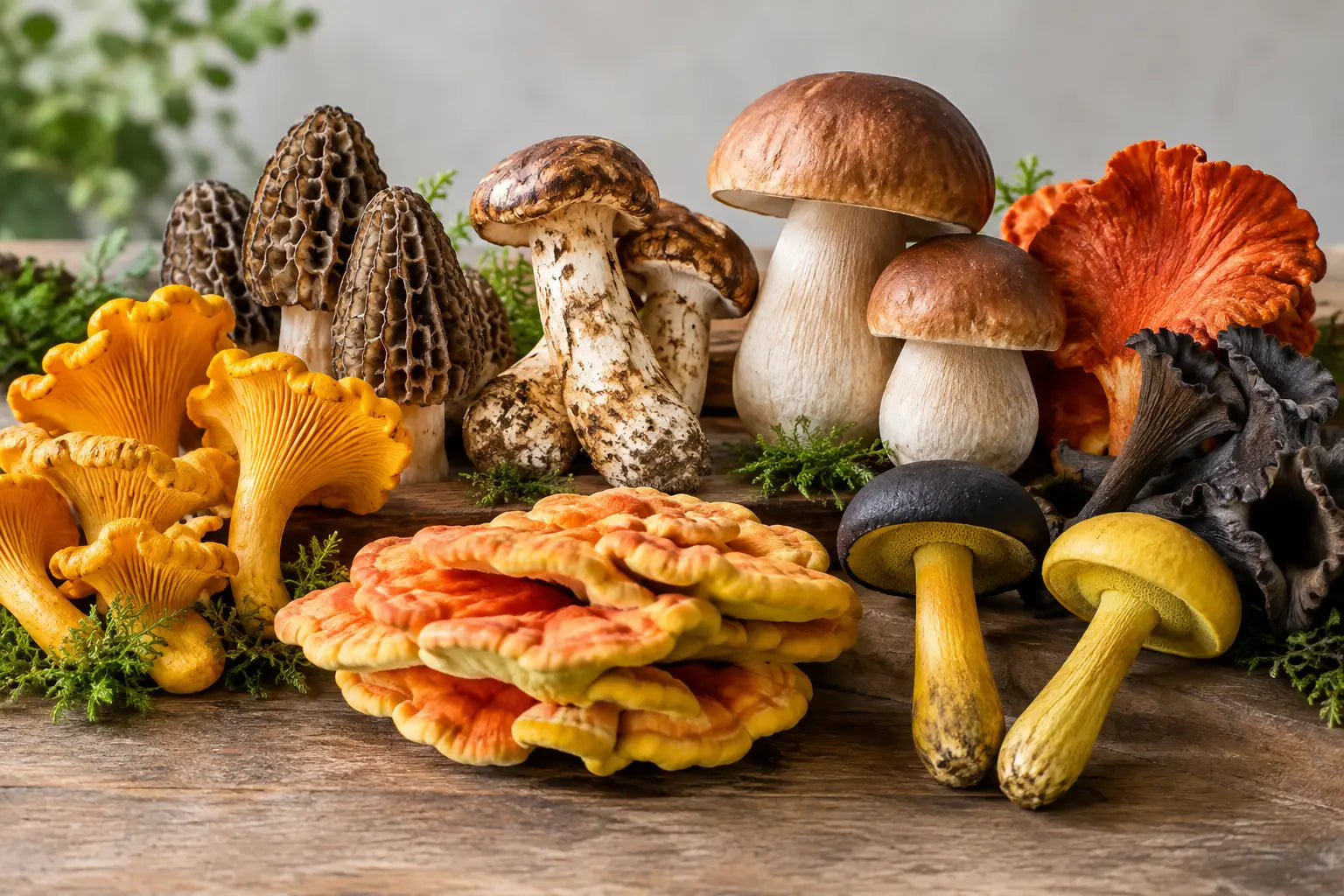
For serious cooks, wild origin matters. Chanterelles, morels, porcini, black trumpet mushrooms, lobster mushrooms, matsutake, and chicken of the woods each bring a recognizable culinary point of view. Their value is in performance on the plate, not just rarity on a label.
Start With the Recipient’s Kitchen
A restaurant chef or experienced home cook will often appreciate a more focused selection: one or two exceptional varieties in quantities large enough to build a dish around. A broad assortment can be compelling, but small portions of too many mushrooms may become more of a tasting exercise than a practical gift.
Consider how the recipient typically cooks. Someone who works with sauces, risottos, braises, and stocks will get exceptional mileage from dried porcini or black trumpet mushrooms. A cook who favors roasting, sautéing, and composed entrées may prefer fresh seasonal selections when available or frozen mushrooms that can move directly from storage to the pan. For a recipient who entertains, a mixed-format box creates useful range without demanding that every item be used at once.
Storage capacity is also a real consideration. Fresh mushrooms need timely attention and careful refrigeration. Frozen product needs freezer space. Dried mushrooms are the most forgiving format, making them especially useful for gifting across busy schedules, long shipping distances, or holiday periods when kitchen plans change quickly.
Fresh, Frozen, or Dried: Choose for Use, Not Appearance
Fresh wild mushrooms make a powerful gift when the recipient is ready to cook. Their texture, visual appeal, and seasonal specificity are best suited to immediate service. They are an excellent choice for chefs and confident cooks who can build a dish around the shipment within a few days.
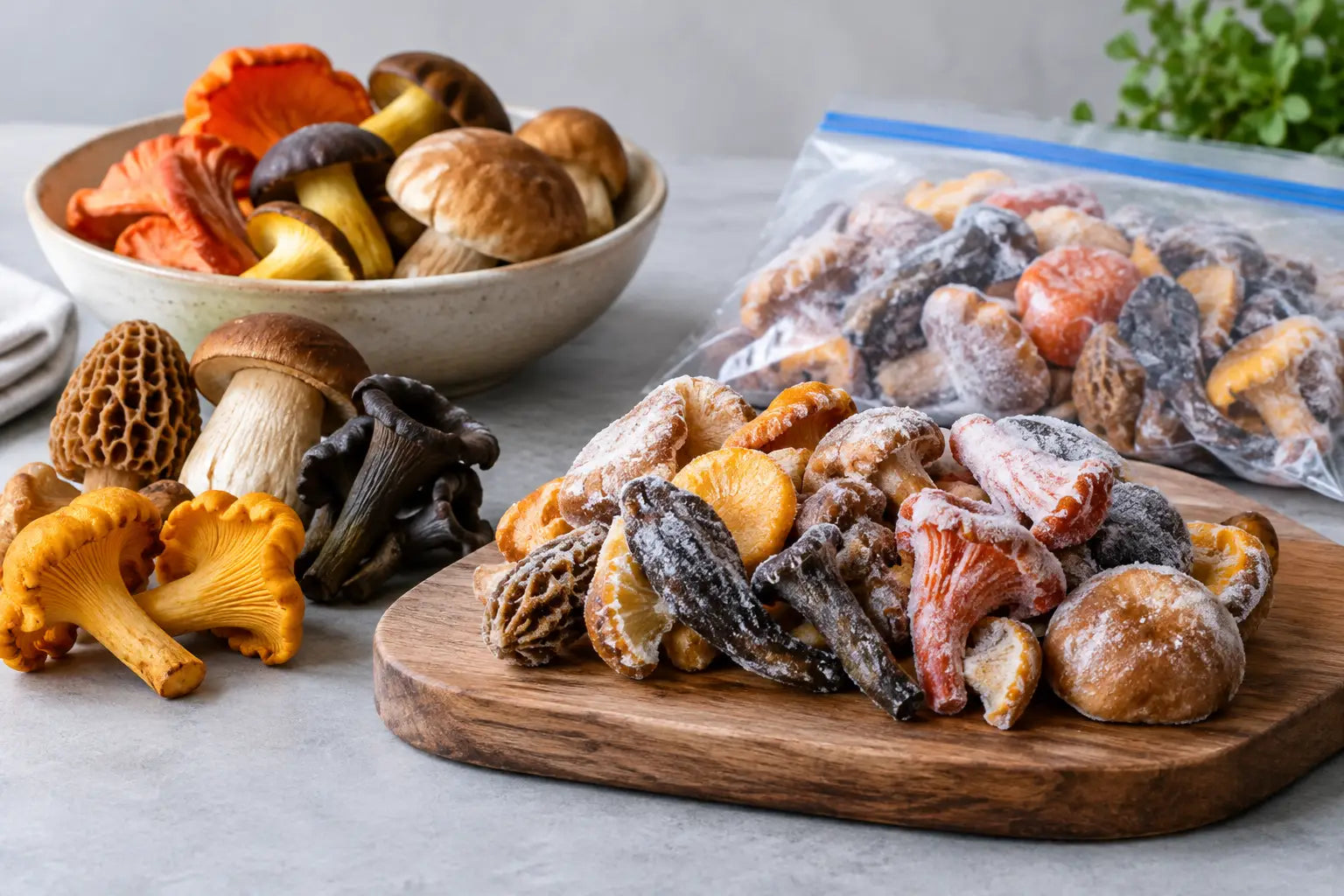
Frozen mushrooms are often the most operationally practical option. Preserved at peak quality, they allow the recipient to access a seasonal ingredient on their own schedule. This matters for restaurant teams managing prep, for home cooks planning special meals, and for anyone who does not want a premium gift dictated by a narrow delivery window.
Dried mushrooms bring a different advantage: concentration. Dried porcini can deepen a sauce, black trumpets can add dark, aromatic depth to a cream preparation, and dried morels can be rehydrated for fillings, pan sauces, and composed dishes. The soaking liquid, properly strained, becomes part of the ingredient value rather than waste. A dried selection is not a compromise. It is a deliberate choice for flavor density and extended usability.
Build Around Distinct Culinary Roles
The most useful wild mushroom gift box does not need to include every prized variety. It should include mushrooms with complementary applications. Pairing ingredients by how they cook makes the gift easier to use and more valuable to a serious kitchen.
Morels are prized for their honeycombed structure, savory depth, and ability to carry butter, cream, poultry, spring vegetables, and delicate sauces. They deserve room in a dish rather than being buried beneath aggressive seasoning. Because they are so distinctive, morels work well as the centerpiece of a focused gift.
Porcini offer a deeper, woodsy profile that suits stocks, risottos, pasta, sauces, and braises. In dried form, they are among the most versatile pantry mushrooms available. A recipient who cooks Italian, French, or modern American food will find immediate uses for them.
Chanterelles bring a firmer texture and a lightly fruity, peppery character. They work particularly well with eggs, corn, squash, poultry, cream, and fresh herbs. Their flavor is expressive but refined, which makes them a strong choice for cooks who favor clean, ingredient-led plates.
Black trumpet mushrooms contribute darker color and a more intense aromatic note. They excel in sauces, compound butters, stuffings, and rice dishes where a smaller quantity can make a visible flavor contribution. Lobster mushrooms provide a bold visual presence and a dense texture that holds up well in sautés and hearty preparations. Chicken of the woods offers substantial texture and is often best treated as a featured component rather than an afterthought.
Matsutake is a more specialized choice. Its perfume is unmistakable, and it rewards restrained preparation. For recipients who understand how to use rare ingredients with precision, it can be an extraordinary gift. For a general audience, porcini, chanterelles, or morels may offer broader utility.
Why Handling and Delivery Matter
A gift box is only as good as the condition of the mushrooms when it reaches the recipient. Wild mushrooms are not commodity produce. They need professional grading, appropriate cleaning, protective packing, and temperature-conscious fulfillment. Those details influence texture, shelf life, and the recipient’s first impression before any cooking begins.
Fresh product benefits from cold-chain discipline and packaging that protects delicate caps and prevents excessive moisture. Frozen product must remain properly frozen through transit so that the preservation strategy does its job. Dried mushrooms should be packed to protect their aroma and structure from humidity and crushing.
For gift buyers, this is where a chef-oriented supplier has an advantage. The product should be selected and packed with kitchen use in mind, not simply arranged for visual effect. A polished box is welcome, but quality is demonstrated when the recipient can open it, assess the mushrooms, and begin planning dishes immediately.
Timing Should Be Part of the Gift Decision
Do not treat delivery timing as an afterthought. If sending fresh seasonal mushrooms, coordinate the shipment with a date when the recipient can receive and cook them. If the gift is intended for a holiday, a professional milestone, or a restaurant opening, frozen and dried formats may provide more flexibility while retaining premium culinary value.
Seasonal availability should guide the selection rather than be forced. Wild mushrooms are at their best when a supplier works with the season, uses preservation strategically, and communicates formats clearly. A thoughtful gift respects that reality. It does not promise every variety at every moment of the year.
The Best Wild Mushroom Gift Box Is Specific
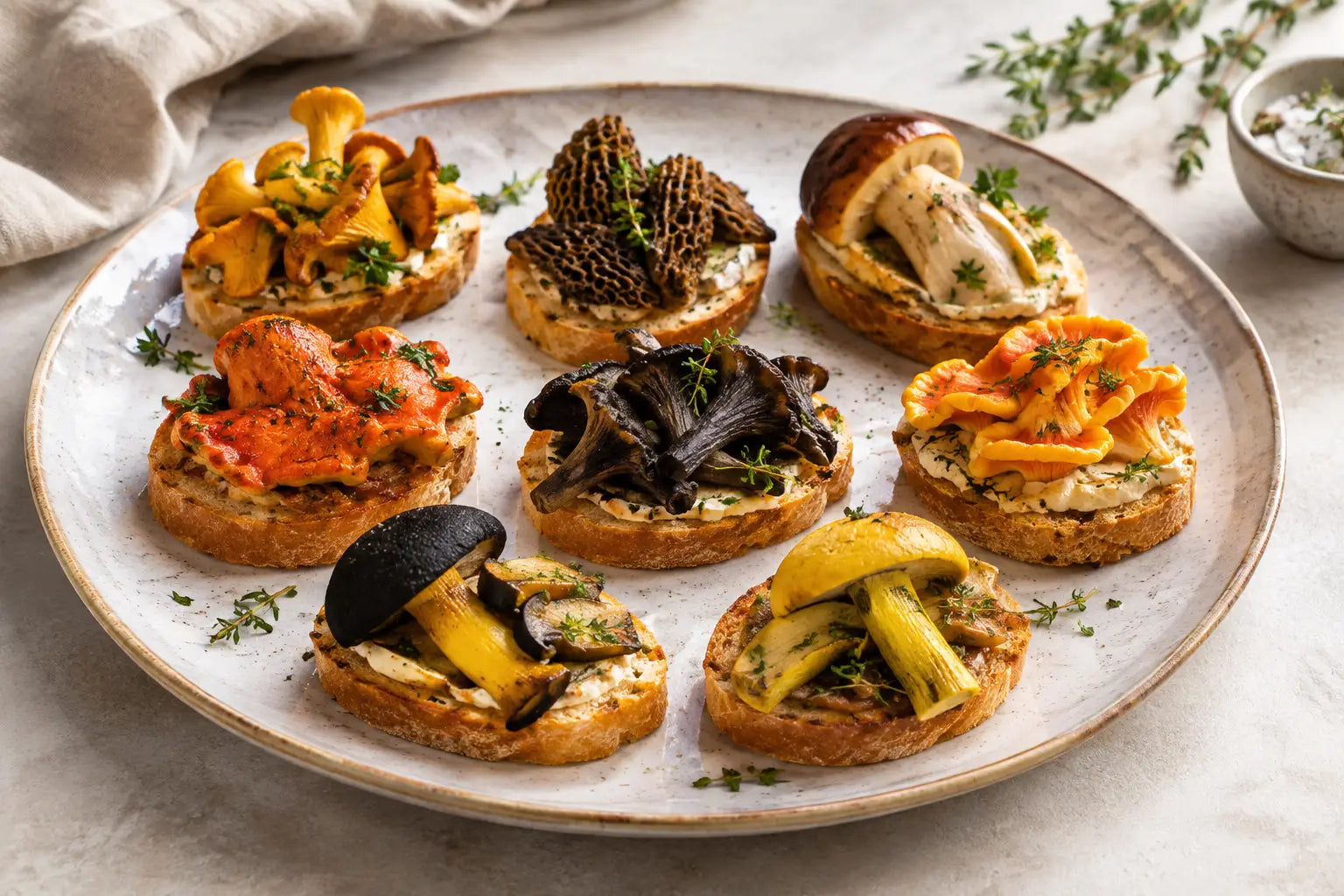
A good gift says, “I know you cook.” A great one says, “I know how you like to cook.” That may mean a focused morel selection for a chef preparing a spring menu, dried porcini and black trumpets for a sauce-driven home cook, or a mixed fresh, frozen, and dried assortment for someone who wants restaurant-level ingredients available beyond one dinner.
Avoid selecting solely by price or variety count. Look instead for clear format information, careful handling standards, and mushrooms with a defined role in the kitchen. A smaller selection of chef-grade wild mushrooms will usually be more useful than a large assortment with uncertain quality, vague origin, or no preservation strategy.
For a gift that performs beyond the unboxing moment, shop current seasonal offerings and choose the format that gives the recipient the most freedom to cook something exceptional.