Cart
0
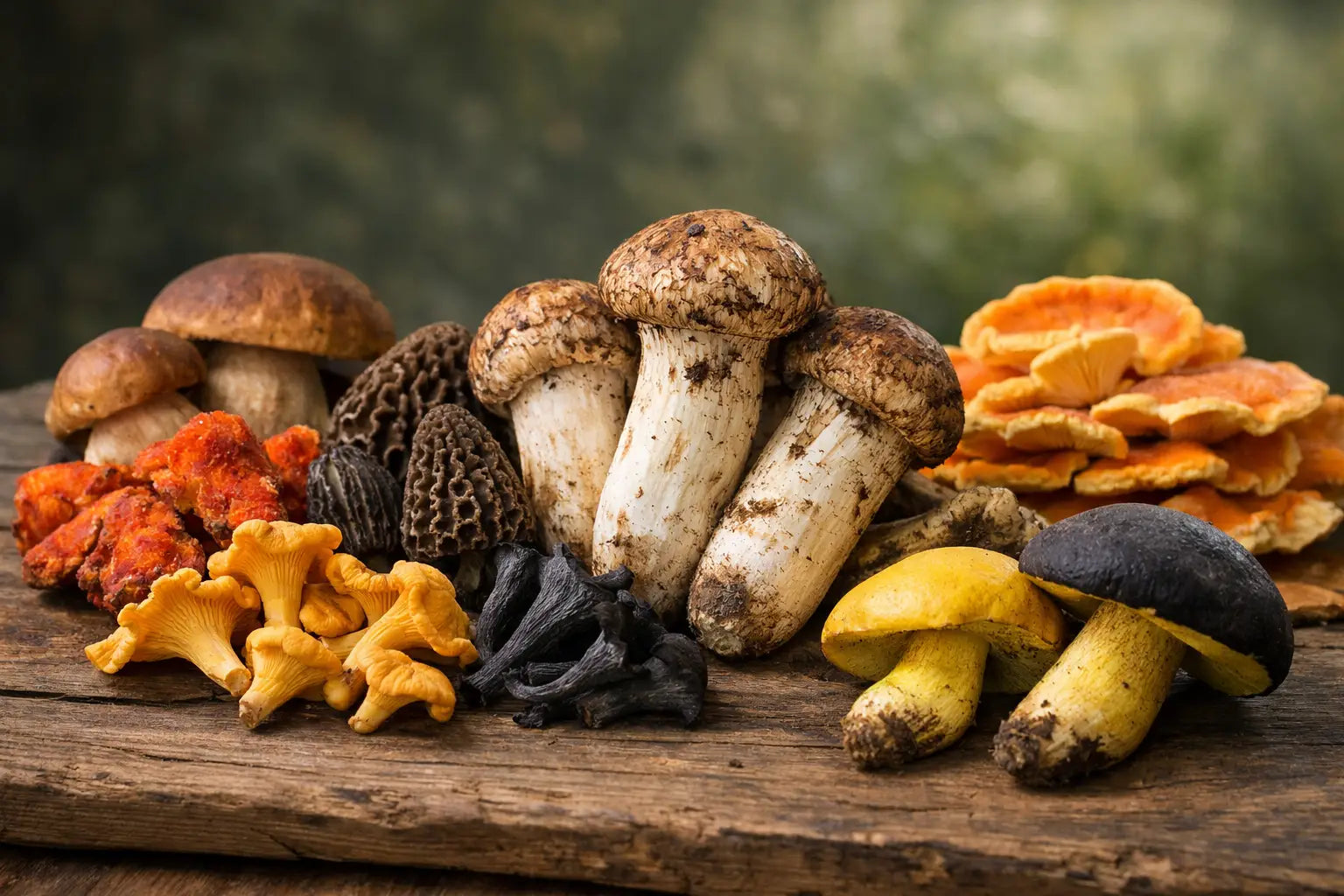
The first thing to understand about matsutake flavor is that it announces itself before the mushroom reaches the pan. Its aroma is bold, spicy, and forest-like, with a character that can bring to mind warm cinnamon, pine needles, damp earth, and clean woodland air. That intensity is exactly why matsutake is so prized - and why careful handling matters. At Crown Fungi, wild mushrooms are selected for the qualities home cooks notice most: fragrance, texture, and the ability to make a simple meal feel genuinely special.
Matsutake is not a mushroom that fades politely into the background. It is a centerpiece ingredient. Cook it with restraint, pair it with ingredients that leave room for its perfume, and it can turn rice, eggs, broth, or roasted poultry into something memorably aromatic.
What Does Matsutake Taste Like?
Matsutake has a firm, meaty bite and a flavor profile unlike buttery morels or nutty porcini. Its defining feature is aroma. The taste is woodsy and savory, but the scent carries a spicy, almost resinous note that many people describe as pine-like. Some cooks also notice hints of cinnamon, black pepper, citrus peel, or warm baking spice.
Those descriptions can sound unusual until you taste matsutake for yourself. The mushroom is not sweet like cinnamon or sharp like pepper. Instead, those familiar references help explain its fragrance. A good matsutake has an elegant tension between earthy savoriness and a bright, dry perfume.
Texture matters, too. Matsutake stays pleasantly substantial when cooked. The cap and stem both have a satisfying chew, especially when sliced thickly and seared. That firmness makes it an excellent choice for dishes where the mushroom needs to hold its own alongside rice, noodles, eggs, fish, or chicken.
Why Matsutake Flavor Can Be So Polarizing
Matsutake is beloved because it is distinctive, not because it tastes like every other mushroom. For some first-time cooks, the aroma is surprising. If you expect the deep, rounded umami of porcini or the gentle richness of chanterelles, matsutake can seem more perfumed and direct.
That difference is not a flaw. It simply means the cooking approach should match the ingredient. Heavy cream sauces, aggressive spice blends, large amounts of garlic, and sweet glazes can compete with matsutake's defining aroma. The best preparations allow its natural character to stay visible.
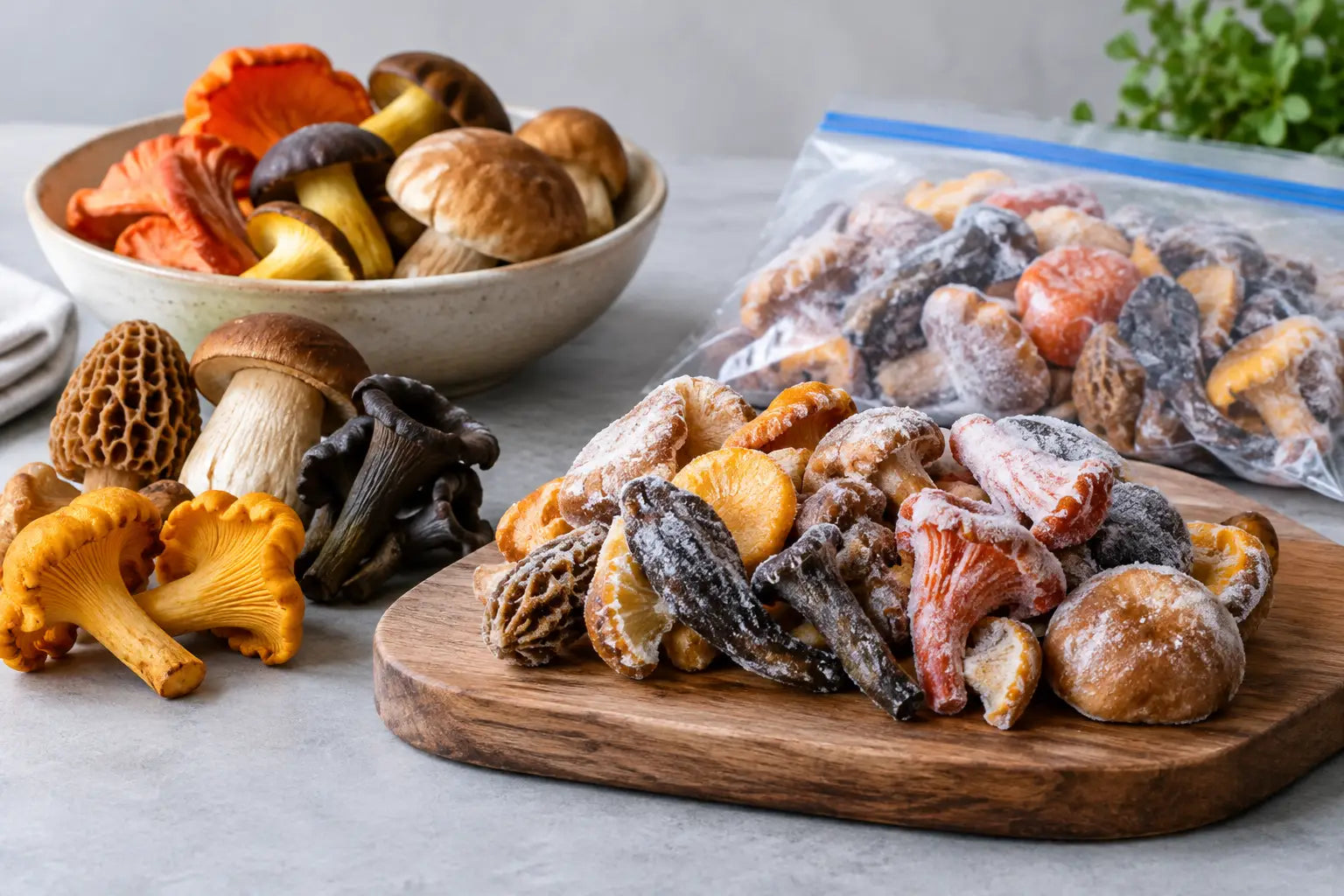
Freshness also changes the experience. Matsutake's fragrance is at its most compelling when the mushroom is handled carefully and cooked soon after thawing or delivery. Frozen matsutake can be an excellent choice for home cooks because freezing at peak quality helps preserve the mushroom's seasonal character for a later meal. The key is to cook it directly from frozen when appropriate, or thaw it gently in the refrigerator and use it promptly.
How to Cook Matsutake Without Losing Its Aroma
Simple heat is matsutake's best friend. A hot skillet, a little neutral oil or butter, and enough space for the slices to brown will bring out its savory side without covering up its fragrance. Cut the mushroom into substantial slices rather than thin shavings. Thick pieces keep their texture and make each bite feel intentional.
Start by brushing away any visible debris and trimming the base if needed. Avoid soaking matsutake in water. Like many wild mushrooms, it can absorb moisture, which makes browning harder and can dilute its flavor. A soft brush or lightly damp cloth is usually enough for surface cleaning.
For a quick skillet preparation, warm a pan over medium-high heat, add a small amount of oil, then arrange sliced matsutake in one layer. Let it cook undisturbed until the underside develops color. Turn the pieces, add a modest pat of butter, and season with salt near the end. A small splash of soy sauce can work beautifully, but use it sparingly. You want seasoning to frame the mushroom, not replace it.
Broth is another natural home for matsutake flavor. Add slices toward the end of cooking so the aroma stays lively. A clear soup with chicken, rice, a mild miso broth, or a simple dashi-style base lets the mushroom perfume the liquid without being overwhelmed. Keep additions calm: scallion, ginger in a light hand, tofu, tender greens, or a softly poached egg are enough.
A simple rule for seasoning
If an ingredient has a loud aroma of its own, use less of it. This is particularly true with smoked foods, strong cheeses, heavy truffle products, and dried herb blends. Matsutake does not need a crowded supporting cast. Salt, butter, good rice, eggs, mild stock, and a touch of soy sauce are often all it needs.
The Best Ingredients to Pair With Matsutake
Rice may be the classic pairing because it gives matsutake aroma a clean, neutral backdrop. Fold sautéed slices into steamed rice just before serving, or cook them gently with rice so their fragrance infuses the grains. Finish with a little butter or a few drops of soy sauce, and the result can be far more luxurious than the short ingredient list suggests.
Eggs are equally useful. Try matsutake folded into a soft scramble, spooned over an omelet, or served with a jammy egg and toast. The richness of egg yolk softens the mushroom's sharper aromatic edges while letting its woodsy flavor remain clear.
Mild proteins work well when you want a fuller dinner. Roast chicken, seared white fish, or simply cooked pork can all carry matsutake without competing for attention. Keep sauces light. Pan juices, butter, a delicate stock, or a restrained soy-based glaze are better choices than anything sweet or heavily spiced.
Pasta can work, but it benefits from the same discipline. Toss matsutake with butter, a little pasta water, Parmesan used lightly, and black pepper. Avoid turning it into a dense cream sauce. The goal is a glossy coating that carries the mushroom's aroma to the table.
> Home-cook note: Matsutake is at its best when it remains recognizable in the finished dish. Build the meal around the mushroom rather than treating it as one more add-in.
Fresh and Frozen Matsutake: What Changes in the Pan?
Fresh matsutake offers immediate fragrance and a firm, lively texture. It is ideal when you want to feature thick slices in a simple sauté, rice dish, or clear soup. Because the flavor is so aroma-driven, use fresh mushrooms soon after they arrive and keep them refrigerated until cooking.
Frozen matsutake offers a different kind of convenience: the chance to cook a seasonal wild mushroom when the craving strikes. It may release more moisture than fresh mushrooms, so a hot pan and patience are especially useful. Give the mushroom room, let excess water cook away, and wait for browning before adding butter or seasoning.
Neither format needs complicated treatment. The decision depends on your plans. Fresh matsutake is ideal for a meal built around the ingredient right away, while frozen matsutake makes it easier to keep a premium wild mushroom ready for an unplanned dinner or a special occasion.
Common Mistakes That Mute Matsutake Flavor
The most common mistake is overcooking. Matsutake is sturdy, but prolonged heat can flatten its perfume and make its texture tougher than necessary. Sear it until browned and tender, then serve it while its aroma is still vivid.
The second mistake is using too many competing flavors. Garlic, chili, rosemary, smoked bacon, and strong cheese are not inherently wrong, but together they can make matsutake disappear. Choose one accent, not five.
Finally, do not hide the mushroom in a large mixed dish on your first try. A generous portion of matsutake over rice, eggs, or toast teaches you more about its character than a small amount scattered through a heavily seasoned casserole. Once you know the flavor, you can experiment with more confidence.
When Matsutake Is Worth Making the Centerpiece
Matsutake is the mushroom to choose when you want aroma to lead the meal. It suits a quiet supper as well as a celebratory dinner, especially when you want an ingredient that feels rare without requiring elaborate technique. Its value is not in complicated preparation. It is in the experience of tasting a wild mushroom with a flavor no cultivated substitute can convincingly imitate.
A hot pan, a bowl of rice, and a well-chosen matsutake can be enough. Let the fragrance do the work, and keep the rest of the plate simple enough to notice it.
Shop This Mushroom
Explore current seasonal matsutake offerings and choose fresh or frozen wild mushrooms for your next special meal at home.