Cart
0
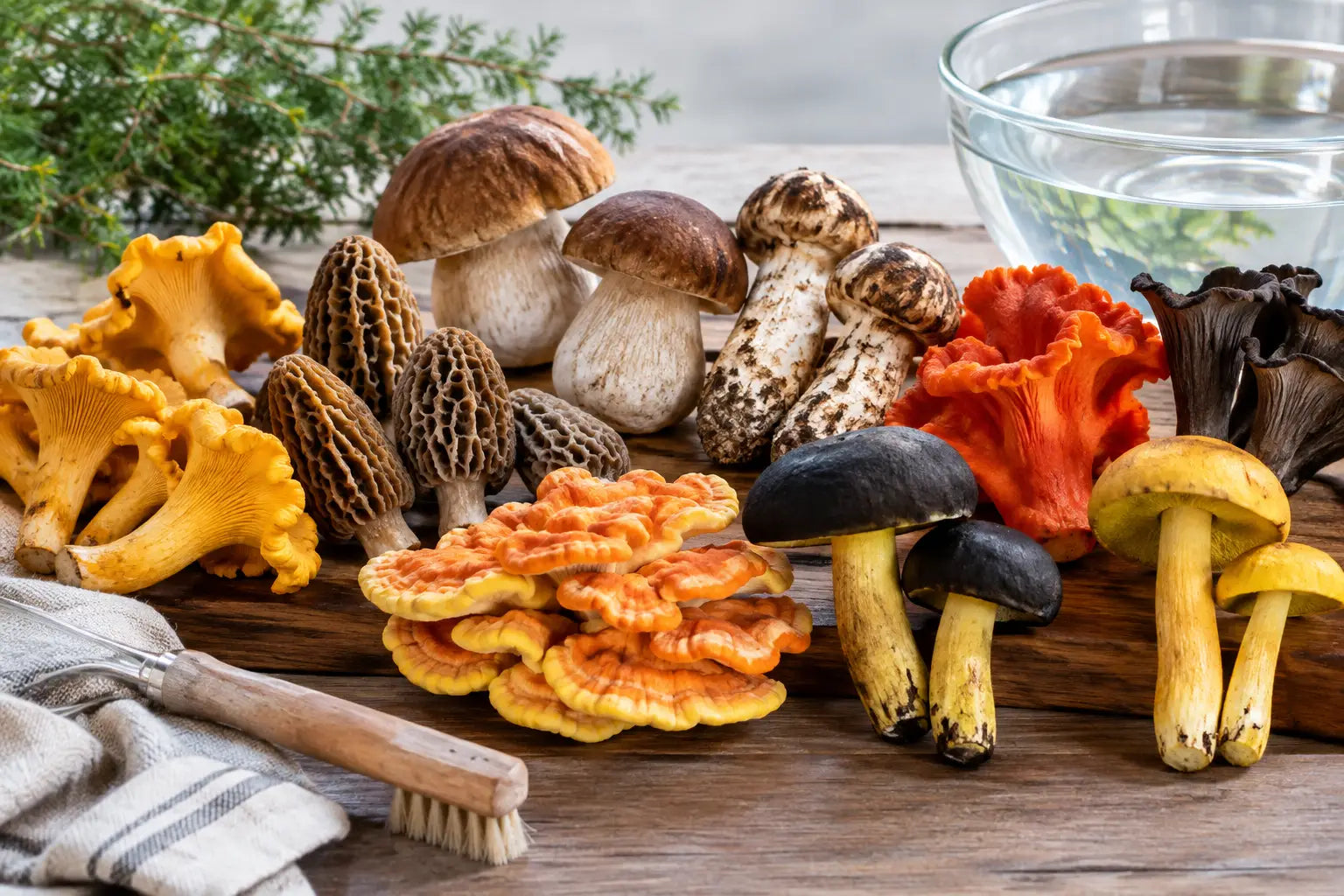
Fresh morels arrive with the kind of springtime promise that deserves careful handling: a honeycombed cap, a deep woodsy aroma, and a texture that turns beautifully tender in a hot pan. At Crown Fungi, carefully selected wild mushrooms make it easier to bring that experience home. Cleaning fresh morels is not about making them look perfect. It is about removing forest debris and any small hitchhikers while protecting the flavor and delicate structure that make morels special.
Morels are different from smooth-capped mushrooms. Their ridges, pits, and hollow centers can hold bits of soil, pine needles, and tiny insects. The goal is a quick, deliberate clean followed by thorough drying. Treat them gently, and they will brown rather than steam when it is time to cook.
Clean Morels Right Before You Cook
If dinner is later today or tomorrow, resist the urge to wash morels as soon as they arrive. Moisture shortens their usable life and can leave the caps soft. Keep fresh morels refrigerated in a breathable container or loosely folded paper bag until you are ready to prep them. Avoid sealing them in an airtight plastic bag, which traps moisture.
Plan to clean only the portion you will cook. A light brush is usually enough for morels that appear clean, while a brief rinse or soak is appropriate when debris is lodged in the cap. There is no single rule that fits every mushroom. The right method depends on how much soil is present and how soon the morels will go into the pan.
Start With a Close Inspection
Spread the morels on a clean kitchen towel or baking sheet. Look over each one before introducing water. Brush away loose dirt with a soft mushroom brush, pastry brush, or dry paper towel. Use a small knife to trim only the very end of the stem if it is dry, darkened, or visibly dirty.
Then cut each morel in half lengthwise, from cap through stem. This is the most useful step in the process. Morels are naturally hollow, and halving them lets you check the interior quickly. You may find a little soil, a small insect, or nothing at all. Either way, the split shape also helps the mushrooms cook evenly.
Do not peel morels or scrape their ridges. Those folds are where much of their character lives, and aggressive handling turns a beautiful mushroom into fragile pieces.
When Brushing Is Enough
For relatively clean mushrooms, brushing and a careful inspection may be all they need. This is the best approach when the morels have only a trace of dry forest debris and you want the fullest possible flavor and firmest texture.
After halving, tap the mushrooms gently cut-side down against a towel to release loose particles from the hollow center. Use the brush to work around the cap's crevices. If a stubborn speck remains but the mushroom is otherwise clean, a quick touch with a barely damp paper towel is preferable to a full wash.
This method is especially good for morels headed for a simple preparation with butter, eggs, pasta, or toast, where their flavor stays front and center.
When a Quick Rinse or Soak Makes Sense
Morels often need water. That is not a failure of technique. If you see grit deep in the honeycomb or find insects after slicing, a short rinse is the practical answer.
Place the halved morels in a bowl of cold water and swish them gently for 20 to 30 seconds. Lift the mushrooms out with your hands or a slotted spoon rather than pouring the bowl through a colander. Any grit sinks to the bottom, and pouring can send it right back over the mushrooms.
For morels with substantial debris or persistent insects, give them a very short cold-water soak, usually one to two minutes. Some home cooks add a small pinch of salt to the water. It can encourage hidden insects to emerge, but it is not necessary for every batch and should not become a long soak. Salt and time can pull moisture from the mushrooms, while extended soaking can leave them waterlogged.
Skip warm water and never leave fresh morels soaking while you prepare the rest of a meal. They absorb water quickly. A brief wash solves a cleaning problem; a prolonged bath creates a cooking problem.
> Fresh Morel Handling Note
>
> Fresh morels are at their best when cleaned close to cooking time, dried thoroughly, and cooked over enough heat to evaporate their surface moisture. Handle each batch according to its condition rather than using a heavy wash by default.
Drying Matters as Much as Cleaning
After rinsing or soaking, spread the morels in a single layer on a clean kitchen towel or several layers of paper towel. Pat the cut sides and honeycombed caps gently. Let them air-dry for five to 10 minutes while you heat your pan and prepare the rest of the meal.
Do not use a salad spinner. The morels are too delicate for the force, and spinning can bruise their caps or tear the stems. A towel is slower by a few minutes but much kinder to the mushrooms.
This drying step determines whether morels sauté or steam. Water on the surface drops the pan temperature, so the mushrooms release liquid before they can brown. Well-dried morels develop richer flavor, lightly crisp edges, and a concentrated aroma in butter or oil.
The Best Way to Cook Them After Cleaning
Morels should always be cooked before eating. Their savory flavor and tender texture come alive with heat, and cooking also makes them appropriate to enjoy at the table.
Use a wide skillet over medium to medium-high heat. Add the dried morels in a single layer with enough room for moisture to escape. If the pan is crowded, cook in batches. Let them sit briefly before stirring so they can begin to brown, then add butter, olive oil, or both. Season with salt near the end, when you can judge the mushrooms' concentrated flavor.
A simple sauté is often all a fresh morel needs. Finish with a little thyme, shallot, or a spoonful of cream if the dish calls for it, but keep supporting ingredients restrained. Morels have a distinctive nutty, earthy depth that can get lost under overly sweet sauces or heavy seasoning.
Common Cleaning Mistakes to Avoid
The biggest mistake is soaking morels for too long. A minute or two for a dirty batch is useful; 10 or 20 minutes is usually unnecessary and can compromise texture. The second is washing them far in advance, then returning them wet to the refrigerator.
Another common misstep is skipping the lengthwise cut. Even spotless-looking morels benefit from being opened, both for inspection and for even cooking. Finally, avoid treating a little natural variation as a flaw. Fresh wild morels will not be identical in size, shape, or color. That individuality is part of what makes them worth cooking.
A Practical Decision for Every Batch
Think of cleaning fresh morels as a small decision tree. If they are nearly clean, brush and trim them. If there is grit in the ridges, give them a fast cold rinse. If you find insects or stubborn debris inside, use a very brief soak, lift them out of the water, and dry them completely.
That measured approach protects what you paid for: a rare wild mushroom with remarkable flavor and a short, treasured season. Once clean, morels ask for very little - a hot pan, a little fat, and enough attention to let their character lead the meal.
Shop This Mushroom
Explore current seasonal fresh morel offerings from Crown Fungi and bring a carefully handled wild ingredient to your next special meal.