Cart
0

Morels ask a simple but meaningful question when you are planning a special meal: fresh or frozen? This fresh frozen morel comparison comes down to what you want on the plate, when you plan to cook, and how much flexibility you need. Crown Fungi focuses on carefully handled wild mushrooms because a morel’s honeycombed shape, earthy aroma, and delicate texture deserve more attention than an ordinary ingredient.
Both formats can make an exceptional meal. Fresh morels bring the fleeting pleasure of the season and a tender, springlike bite. Frozen morels offer the same distinctive wild character in a format that lets you cook on your own schedule. The better choice is not universal. It depends on the dish.
Fresh vs. Frozen Morels at a Glance
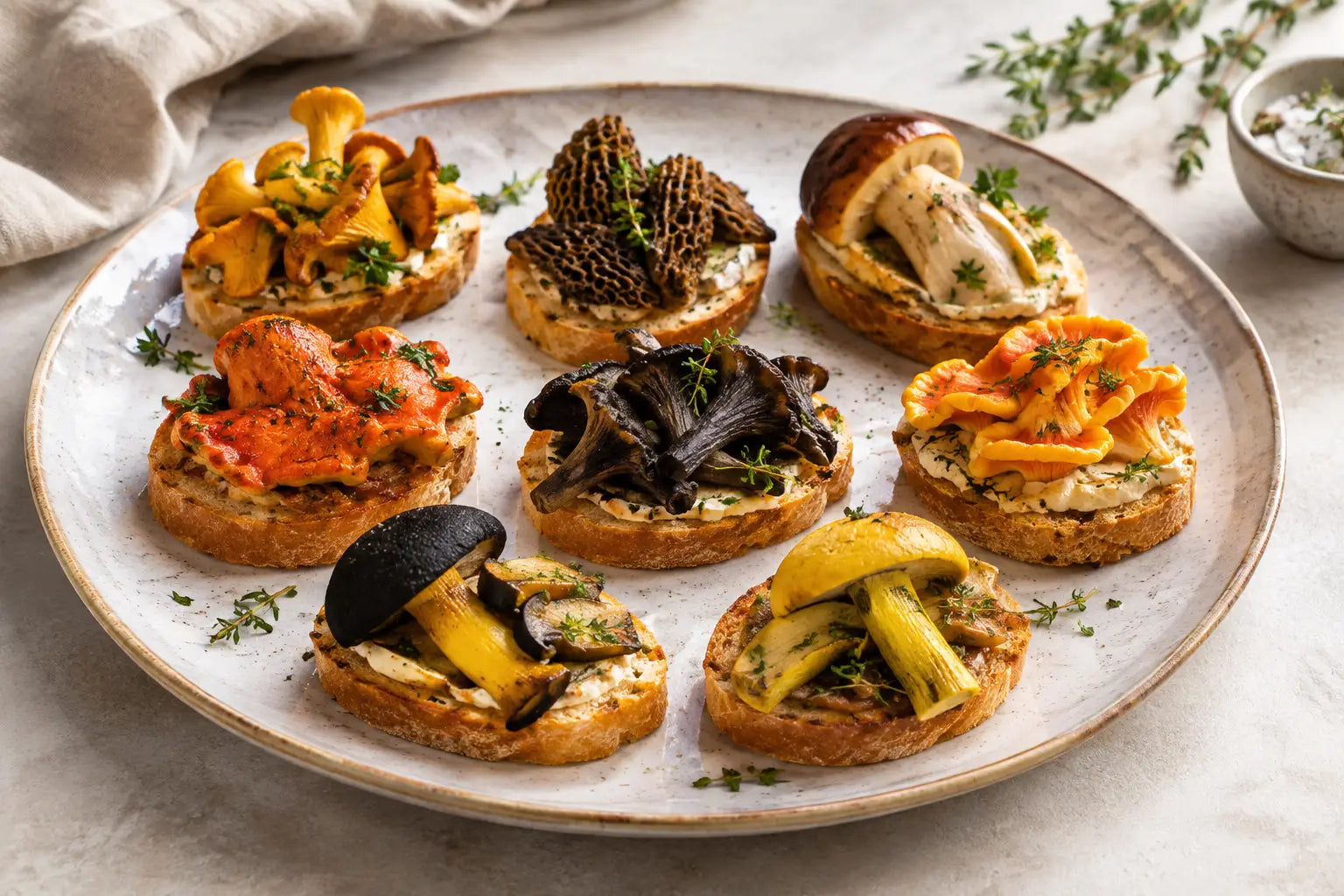
Fresh morels are the choice when you want the mushroom to be the visual and textural center of the meal. Their ridged caps look striking in a skillet and hold beautifully in simple preparations. Think butter-basted morels beside eggs, folded through a creamy pasta, or spooned over toast with a little shallot and herbs.
Frozen morels are especially useful when a recipe calls for the depth of morel flavor without requiring a just-picked appearance. They are a smart fit for sauces, risotto, pan sauces, stuffing, and pasta fillings, where their earthy character has room to mingle with other ingredients. Freezing at peak quality also means you do not have to wait for the brief fresh season to cook with a wild mushroom you love.
The key distinction is moisture. Fresh morels begin with their natural structure intact, while frozen morels release more liquid as they thaw and cook. That does not make frozen morels lesser. It simply changes the cooking approach. Give them enough pan space and let excess moisture cook away before adding butter, cream, or wine.
When Fresh Morels Are Worth Choosing
Choose fresh morels for a meal built around restraint. Their flavor is complex but not loud: nutty, woodsy, and gently savory. Heavy sauces and aggressive seasoning can hide what makes them special. A hot skillet, butter or olive oil, salt, and a small amount of garlic or shallot are often enough.
Fresh morels also shine when presentation matters at home. Their irregular, honeycomb caps bring a sense of occasion to a spring dinner. Serve them over soft polenta, alongside roast chicken, or on a warm plate of scrambled eggs. Because they are delicate, cook them until tender rather than trying to force a hard sear.
Their trade-off is timing. Fresh morels are seasonal, and they are best enjoyed soon after arrival. Plan a meal around them rather than saving them for an undefined future date. Store them in the refrigerator with room to breathe, then cook them within a few days for the most satisfying texture and aroma.
How to Prepare Fresh Morels
Morels have many folds, so examine each one before cooking. Gently brush away visible debris and slice larger mushrooms in half lengthwise so you can check the interior. Avoid soaking them. A prolonged bath adds water to a mushroom that already cooks quickly and can make browning more difficult.
Warm a wide skillet over medium heat and add your cooking fat once the pan is hot. Add the morels in a single layer, season lightly, and cook until they are tender and fragrant. Their flavor is best when fully cooked, with a few minutes in the pan to concentrate their natural savoriness.
When Frozen Morels Make More Sense
Frozen morels are the practical choice when you want morel season to fit your calendar instead of the other way around. Keep them ready for a birthday dinner, a quiet weekend pasta, or an impromptu sauce for steak or chicken. The format is also reassuring for home cooks who prefer to portion only what they need.
They work particularly well in recipes with a built-in moisture component. In risotto, the liquid released by the mushrooms becomes part of the dish. In a cream sauce, it can be cooked down with shallots before cream is added. In a filling for ravioli or savory pastries, chopped frozen morels bring concentrated flavor without needing to remain perfectly whole.
Do not treat frozen morels as an ingredient that needs to be rushed. The most common mistake is crowding a pan and immediately adding rich ingredients. Start with a wide skillet over medium to medium-high heat. Cook the mushrooms first, allowing their moisture to evaporate. Once the pan is no longer wet, add butter, aromatics, or a splash of wine to build flavor.
> Morel Cooking Note
> For either fresh or frozen morels, cook thoroughly before serving. Keep the recipe simple enough that the mushroom’s earthy, unmistakable flavor remains the focus.
Thawing Is Optional, but Technique Matters
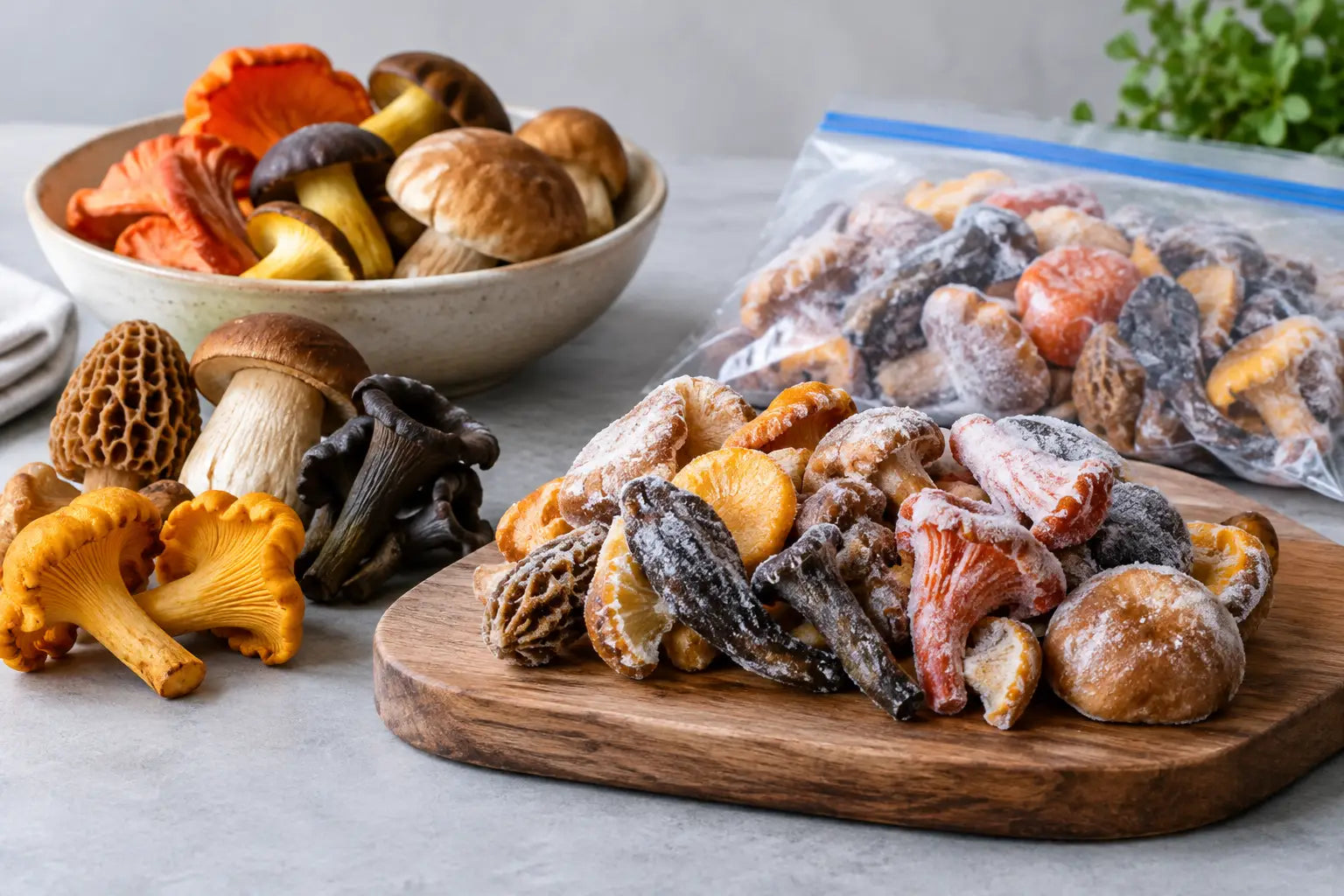
For a sauté or sauce, frozen morels can often go straight from the freezer into a hot, wide pan. This is convenient and helps preserve their flavor for the dish rather than losing it in a bowl of thawing liquid. Cook them in a single layer when possible, stirring occasionally as they release moisture.
If your recipe needs chopped morels for a filling or finely textured sauce, thawing them briefly in the refrigerator can make slicing easier. Pat them dry if they have released excess liquid, then cook as you would fresh mushrooms, giving them extra time in the pan before seasoning heavily.
Frozen morels may be softer than fresh once cooked. That is most noticeable in a minimalist sauté, and far less noticeable in dishes where their flavor is integrated with stock, dairy, eggs, pasta, or grains. For many home cooks, that trade-off is well worth the convenience of having wild morels ready beyond the fresh season.
Choosing the Right Format for Your Recipe
A fresh frozen morel comparison is easiest when you begin with the recipe rather than the package. For eggs, toast, a simple sauté, or any dish where you want whole morels to be seen and felt, fresh is usually the stronger pick. Their tender structure and handsome shape make the meal feel unmistakably seasonal.
For risotto, gravy, creamy pasta, compound butter, stuffing, or a sauce, frozen morels are often the more convenient choice. Their flavor remains the point, and the recipe gives them the right environment to cook down and become deeply savory. Frozen is also the better option when you want to make a special dinner without relying on a narrow seasonal window.
Budget and portioning can influence the decision, too. Fresh morels invite you to cook now and make the most of a rare ingredient at its seasonal peak. Frozen morels give you more control over timing and quantity. Use part of a package for a weeknight pasta, then save the rest for another meal.
Flavor Pairings That Let Morels Lead
Morels are at their best with ingredients that support their savory depth without overpowering it. Butter, cream, eggs, chicken, mild cheeses, spring peas, asparagus, fresh pasta, polenta, and potatoes are reliable companions. A little white wine or dry sherry can add brightness, while chives, parsley, thyme, and tarragon add freshness in small amounts.
Be more cautious with strong smoke, intense chile heat, heavily sweet sauces, or large amounts of pungent raw garlic. Morels are not timid, but their appeal lies in nuance. Let the mushroom be the reason the dish feels special.
The Better Morel Is the One That Fits Dinner
Fresh morels deliver the magic of a short season: elegant texture, remarkable appearance, and a meal worth planning around. Frozen morels bring freedom: the ability to make morel pasta, risotto, or a buttery pan sauce whenever the occasion arrives. Neither format replaces the other because they solve different cooking needs.
If you are making morels the star of the plate tonight, choose fresh when seasonal offerings are available. If you want that unmistakable wild flavor waiting for your next special meal, keep frozen morels in mind. The best result comes from matching the format to the recipe, then giving the mushrooms enough room in the pan to show what they can do.
Shop This Mushroom
Explore Crown Fungi’s current fresh and frozen wild mushroom offerings to find morels when available and plan your next memorable meal at home.