Cart
0
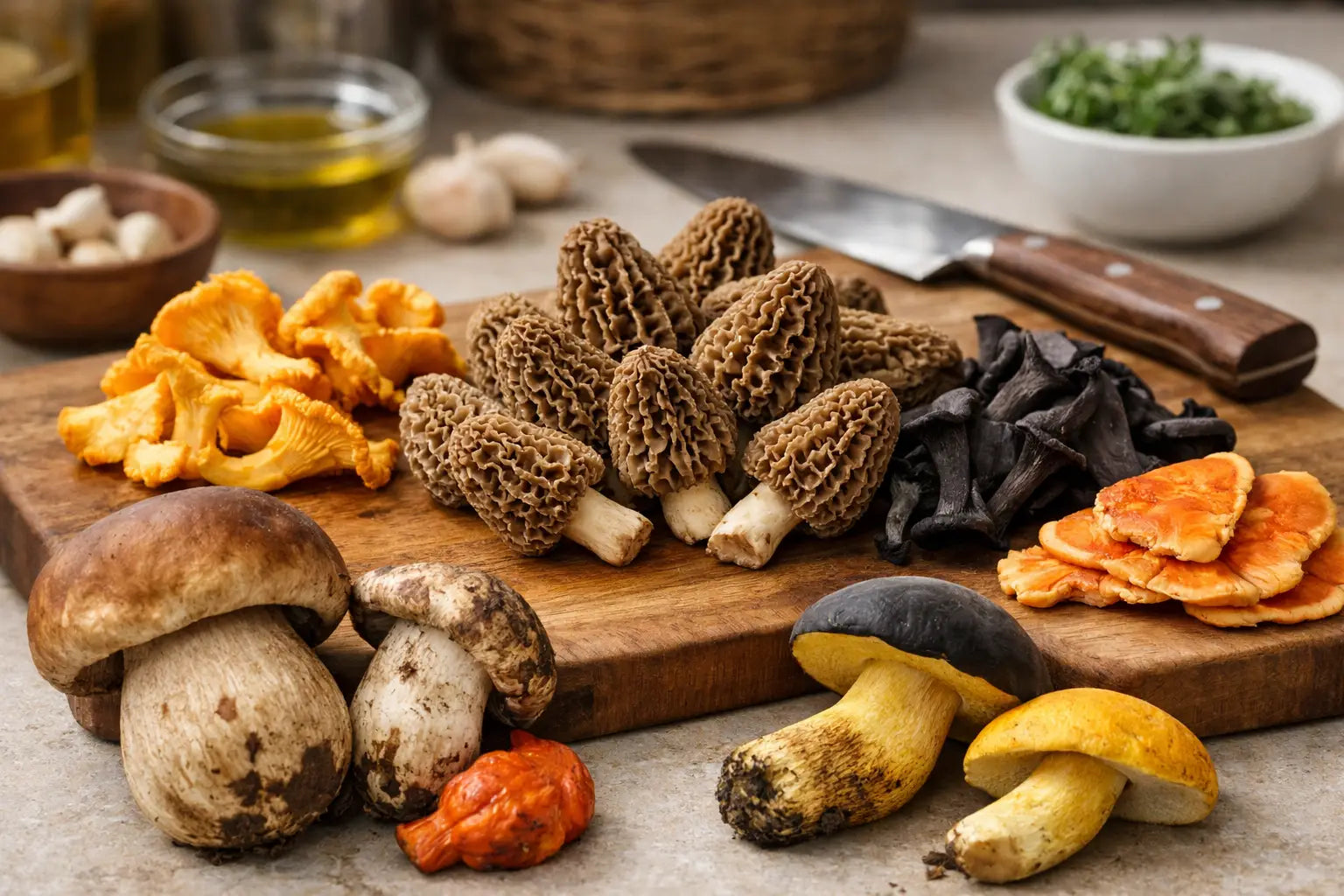
Morels reward careful handling more than complicated technique. Crown Fungi brings these prized wild mushrooms to home cooks in fresh seasonal and frozen-at-peak formats, making it easier to build a memorable meal around their honeycombed texture and deep, nutty flavor. This morel preparation guide covers the few details that matter most: cleaning without waterlogging, cooking thoroughly, and pairing morels with ingredients that let their character lead.
Morels are not mushrooms to rush straight from package to plate. Their irregular caps can hold a little natural forest debris, and their delicate structure benefits from dry heat and a light hand. Give them a few minutes of focused prep, and they become the kind of ingredient that can carry a simple pasta, omelet, pan sauce, or roasted chicken dinner.
Morel Preparation Guide: Start With the Right Format
Fresh and frozen morels need slightly different treatment, but neither requires elaborate preparation. Fresh morels have the lightest texture and are best cooked soon after they arrive. Keep them refrigerated in a breathable container or loosely folded paper bag until cooking time. Avoid sealing fresh mushrooms in an airtight plastic bag, where trapped moisture can make them deteriorate faster.
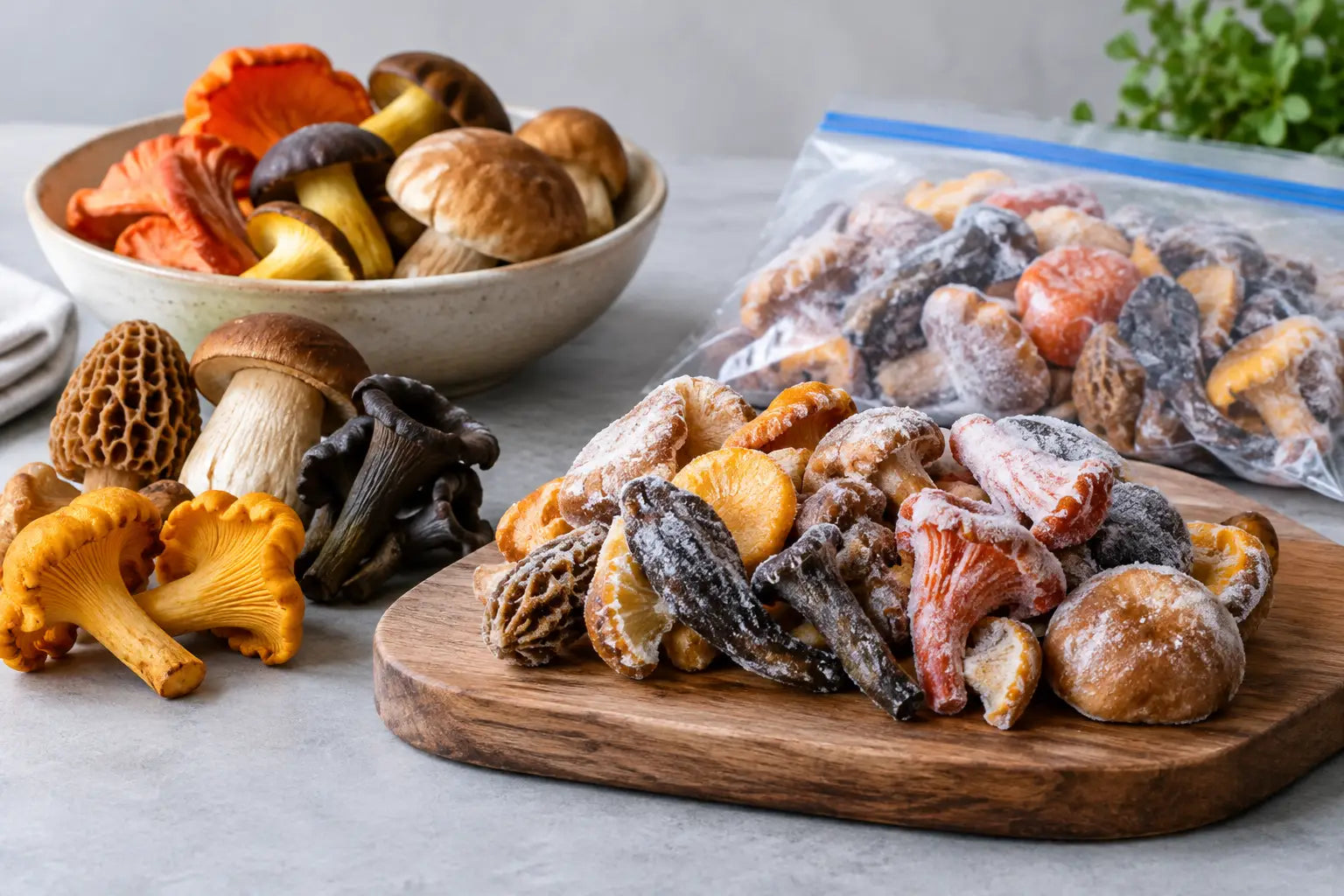
Frozen morels offer a dependable way to enjoy the variety beyond the short fresh season. They should go directly from freezer to pan rather than being thawed on the counter. Thawing first releases moisture before the mushrooms meet heat, which makes browning more difficult and can leave the finished dish softer than intended.
Whichever format you choose, cook morels completely. They are not intended to be eaten raw. Proper cooking brings out their savory aroma, improves their texture, and makes their flavor fuller and rounder.
How to Clean Fresh Morels Without Losing Flavor
Morels are hollow, which is part of their appeal and part of the cleaning challenge. Begin by examining each mushroom under good light. Trim only the very end of the stem if it looks dry or carries soil. A small paring knife works better than aggressive cutting, since you want to preserve as much of the mushroom as possible.
For lightly soiled morels, use a soft mushroom brush or a clean, barely damp paper towel to remove debris from the ridges and stem. This is usually enough for carefully handled mushrooms. If a morel has visible grit inside its hollow center, slice it lengthwise in half and rinse it quickly under cold water. Set the halves cut-side down on a clean kitchen towel, then pat dry before cooking.
A long soak is rarely helpful. Morels can absorb water, and that added moisture works against the golden edges and concentrated flavor most home cooks want. Quick rinsing is the trade-off when needed: cleaner mushrooms, with a few extra minutes required to dry them well.
Cut Them for Even Cooking
Small morels can often stay whole, especially when they are being folded into eggs or used as a garnish. Medium and large specimens are best halved lengthwise. Halving exposes the interior for cleaning and gives the mushrooms a flat surface that browns beautifully in a skillet.
Try to keep pieces similarly sized. If one morel is much larger than the rest, quarter it rather than leaving it whole. Consistent sizing is the simplest way to keep smaller pieces from becoming too crisp before larger pieces are tender.
Cook Morels in a Wide, Hot Pan
The key to cooking morels is evaporation. Use a wide skillet that gives the mushrooms room rather than piling them into a deep, crowded pan. A crowded pan traps steam, so the morels release liquid and simmer instead of developing color.
Heat a skillet over medium to medium-high heat, then add a thin layer of neutral oil, butter, or a combination of both. Add the morels in a single layer and leave them alone for a minute or two before stirring. This first contact with the pan starts the browning process.
Once the mushrooms have begun to color, season with kosher salt and cook until they are tender throughout. Fresh morels commonly need about five to eight minutes, depending on size. Frozen morels may take a little longer because they release more moisture at the start. Continue cooking until that moisture has evaporated and the mushrooms have taken on some caramelized color.
Butter is a natural partner, but it should not be the only flavor in the pan. A small spoonful of shallot, a splash of dry white wine, or a few thyme leaves can add dimension without covering the morels' distinctive character. Add garlic late and sparingly. Too much garlic can make a rare mushroom taste like every other sautéed vegetable.
> Morel cooking note
> Choose current fresh seasonal or frozen morel offerings when available, then cook them thoroughly in a spacious skillet for the best texture. Product availability and pricing can change with the season.
Build a Dish Around Their Texture
Morels bring richness without heaviness, so they work best with foods that provide a quiet backdrop. Cream, eggs, poultry, pasta, potatoes, and mild cheeses all make sense because they support the mushroom rather than competing with it.
For a quick weeknight preparation, sauté halved morels in butter, add a little shallot, then finish with a spoonful of crème fraîche and a splash of pasta water. Toss with broad noodles and fresh chives. The sauce should lightly coat the pasta, not bury the mushrooms in cream.
For breakfast or brunch, cook the morels first and set them aside. Add them to softly scrambled eggs just before serving, along with a small amount of goat cheese or grated Parmesan. Their earthy flavor brings a special-occasion feeling to a dish that still takes very little time.
Morels also shine beside roasted chicken or pork tenderloin. After searing the mushrooms, remove them briefly, then deglaze the pan with wine or stock and reduce it until glossy. Stir the morels back in at the end. The result is a simple pan sauce with enough depth to make an ordinary dinner feel considered.
Pairing Choices That Keep Morels in Focus
Choose one rich element and one fresh element. Butter with chives, cream with lemon, or chicken with tarragon are balanced combinations. Acid is particularly useful because it brightens morels' deep flavor. A few drops of lemon juice or a restrained splash of wine near the end can make the entire dish taste more alive.
Be cautious with strong smoke, heavy chili heat, and intensely sweet sauces. Those flavors are not wrong, but they can overwhelm a mushroom that deserves attention. If you are cooking morels for the first time, a simple butter sauté is the best baseline. You can always add more flavor next time; you cannot take it back once the mushrooms disappear behind the sauce.
Common Morel Mistakes to Avoid
The most common mistake is over-washing. Clean only as much as necessary, dry the mushrooms thoroughly, and let the skillet do the rest. The next is crowding the pan. If you are cooking a larger amount, work in batches. It takes a few extra minutes but delivers a better result.
Another mistake is adding salt and liquid too early when cooking frozen morels. Let excess moisture cook off first, then season and build flavor. Finally, do not undercook them. Morels should be tender, aromatic, and fully cooked through, with some browned edges and no raw texture.
A well-prepared morel does not need a complicated recipe to feel extraordinary. Treat it with precision, give it enough room in the pan, and pair it with ingredients that know when to step aside.
Shop This Mushroom
Explore Crown Fungi's current fresh seasonal and frozen morel offerings for a home-cooked meal built around one of the most distinctive wild mushrooms available.