Cart
0
At Crown Fungi, matsutake is valued for the details that make wild mushrooms memorable: a firm bite, a clean ivory interior, and an aroma that can fill a kitchen before the pan is hot. This matsutake buying guide is for home cooks who want to buy with confidence, whether they are planning a quiet rice dish, a special dinner, or a gift for someone who loves cooking with rare ingredients.
Matsutake is not a mushroom you buy simply because it is hard to find. Its appeal is specific. The flavor is savory and woodsy, but its signature is fragrance: pine-like, spicy, and unmistakably wild. That perfume is delicate enough to disappear under heavy sauces, which makes choosing a quality product and treating it simply especially worthwhile.
Matsutake Buying Guide: Start With Aroma
When buying matsutake, freshness is about more than appearance. A good mushroom should feel dense and substantial for its size, with a dry, firm surface and a clean forest-like fragrance. The cap may be closed or beginning to open depending on maturity, but it should not feel soft, slimy, or overly damp.
Look closely at the stem. Matsutake stems are often thick, pale, and solid, sometimes with the mushroom's natural veil still visible around the upper stem. Small amounts of soil can be normal with wild mushrooms, but the mushroom itself should be carefully handled and free of obvious bruising or deterioration. A few natural marks are not a concern. What matters most is firmness, fragrance, and overall condition.
Aromatics are the reason many cooks seek matsutake in the first place. If a fresh mushroom has little scent, it may still cook well, but it is less likely to deliver the vivid character that makes the variety special. Choose matsutake when you want the mushroom itself to be the point of the dish, not merely one ingredient among many.
Fresh or Frozen Matsutake?
Fresh matsutake offers the most immediate sensory experience. You can assess its aroma, slice it to the thickness you prefer, and use it in preparations that showcase its texture. Fresh mushrooms are particularly appealing for a meal planned soon after delivery, when a quick grill, sauté, or steam can preserve their personality.
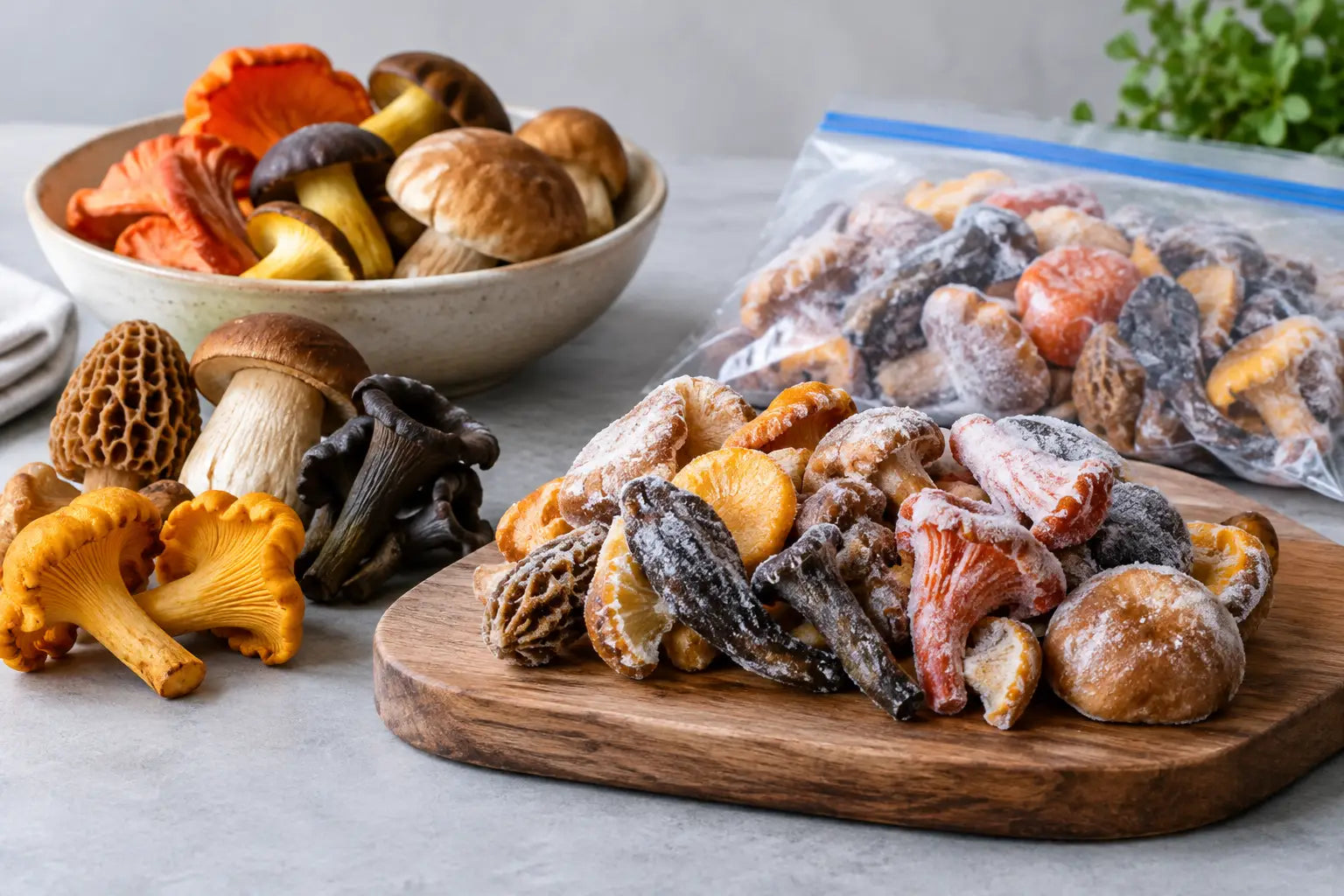
Frozen matsutake is a smart choice when you want access beyond the brief fresh season. Frozen at peak quality, it gives home cooks a dependable way to keep a rare wild mushroom on hand for a special meal. The trade-off is that thawed mushrooms can release more moisture than fresh ones, so they benefit from a hot pan and a little patience.
Do not thaw frozen matsutake on the counter. For most sautéed dishes, cook it directly from frozen in a wide skillet over medium-high heat. Let excess moisture cook away before adding butter or oil. If you need clean slices for rice or a broth, thaw the mushrooms slowly in the refrigerator, then pat away any surface moisture before cooking.
> Matsutake Product Callout
>
> Fresh or Frozen Matsutake - Current format and price vary with seasonal availability. Choose the matsutake option currently listed in Crown Fungi's seasonal selection for the best available format for your meal.
Size and Grade Matter Less Than Condition
Large matsutake can look dramatic, while smaller mushrooms can be especially fragrant. Neither is automatically better. A larger, firm mushroom may be ideal for thick slices on the grill or a simple butter-basted preparation. Smaller pieces are excellent for rice, eggs, clear soups, or folded into warm noodles.
For home cooking, buy based on how you intend to use the mushroom. If you want beautiful slices, choose intact whole mushrooms with sturdy stems. If you are making matsutake gohan, the Japanese-style seasoned rice dish that highlights the mushroom's aroma, smaller pieces and trimmed sections work beautifully because they will be sliced and steamed with the rice anyway.
Avoid treating a perfect cap as the only sign of quality. Wild mushrooms grow in varied conditions, and their shapes are naturally irregular. An oddly shaped matsutake that is firm, aromatic, and well handled will give you more pleasure at the table than a photogenic mushroom with a dull scent.
How Much Matsutake Should You Buy?
Matsutake is potent, so a little goes farther than many home cooks expect. For a rice dish, about 2 to 3 ounces per person can be enough when it is the featured aroma. For a simple grilled or sautéed mushroom course, plan closer to 3 to 5 ounces per person, depending on what else is on the plate.
If you are serving matsutake alongside rich foods, use restraint. The mushroom pairs well with butter, rice, eggs, chicken, mild fish, and a small amount of soy sauce, but large amounts of garlic, smoked ingredients, strong cheese, or aggressive spices can hide what you paid for. Think of matsutake as you would a rare spice: use enough to notice, then let it speak clearly.
For gifting, matsutake is best for a recipient who enjoys cooking and appreciates seasonal ingredients. A smaller fresh or frozen selection can feel more generous than a large assortment of unfamiliar mushrooms because it provides a focused, memorable cooking experience.
Storage That Protects the Aroma
Fresh matsutake should go into the refrigerator as soon as it arrives. Keep it cool and dry, loosely wrapped in paper or stored in a breathable container. Avoid sealing fresh mushrooms tightly in plastic, which traps moisture and can shorten their usable life.
Plan to cook fresh matsutake within a few days for the best fragrance and texture. Before cooking, brush away loose debris and wipe gently with a barely damp towel if needed. Do not soak the mushrooms. They can absorb water, which dilutes flavor and makes browning harder.
Frozen matsutake should remain frozen until you are ready to cook. Do not refreeze mushrooms once thawed. Portioning matters here: if the package contains more than you need, use only the amount that can be removed cleanly while keeping the rest frozen.
The Best Ways to Cook Matsutake
The best matsutake recipes are often the quietest. High heat, light seasoning, and a short cooking time preserve both fragrance and texture. Slice the mushroom lengthwise to show its structure, or cut it into thick coins if you want a more substantial bite.
For a quick skillet preparation, warm a little neutral oil or butter in a wide pan. Add the matsutake in a single layer and cook until lightly browned and fragrant. Season with salt near the end. A small splash of soy sauce is enough if you want extra savoriness, but do not add it early or in excess.
For rice, layer sliced matsutake over seasoned rice before cooking so the steam carries its aroma through the grains. For a brothy dish, add the mushrooms near the end and keep the seasoning clean. Clear chicken broth, dashi-style broth, or a simple vegetable stock can work well, provided the base is not too salty or heavily spiced.
Grilling is another excellent option for firm fresh matsutake. Brush lightly with oil, grill briefly over medium heat, and finish with salt. The goal is not to char the mushroom heavily. You want a little color and warmth while keeping its interior juicy and aromatic.
A Final Buying Standard
Matsutake is a premium purchase, and it should feel that way from the moment you open the package. Choose a source that understands wild mushroom seasonality, offers clear fresh or frozen options, and handles each mushroom with care. Then give yourself permission to cook it simply. The most memorable matsutake meals are rarely complicated - they are built around a beautiful mushroom, a hot pan, and enough restraint to let its fragrance linger.
Shop This Mushroom
Explore Crown Fungi's current seasonal matsutake offerings and choose the fresh or frozen format available for your next special meal.