Cart
0
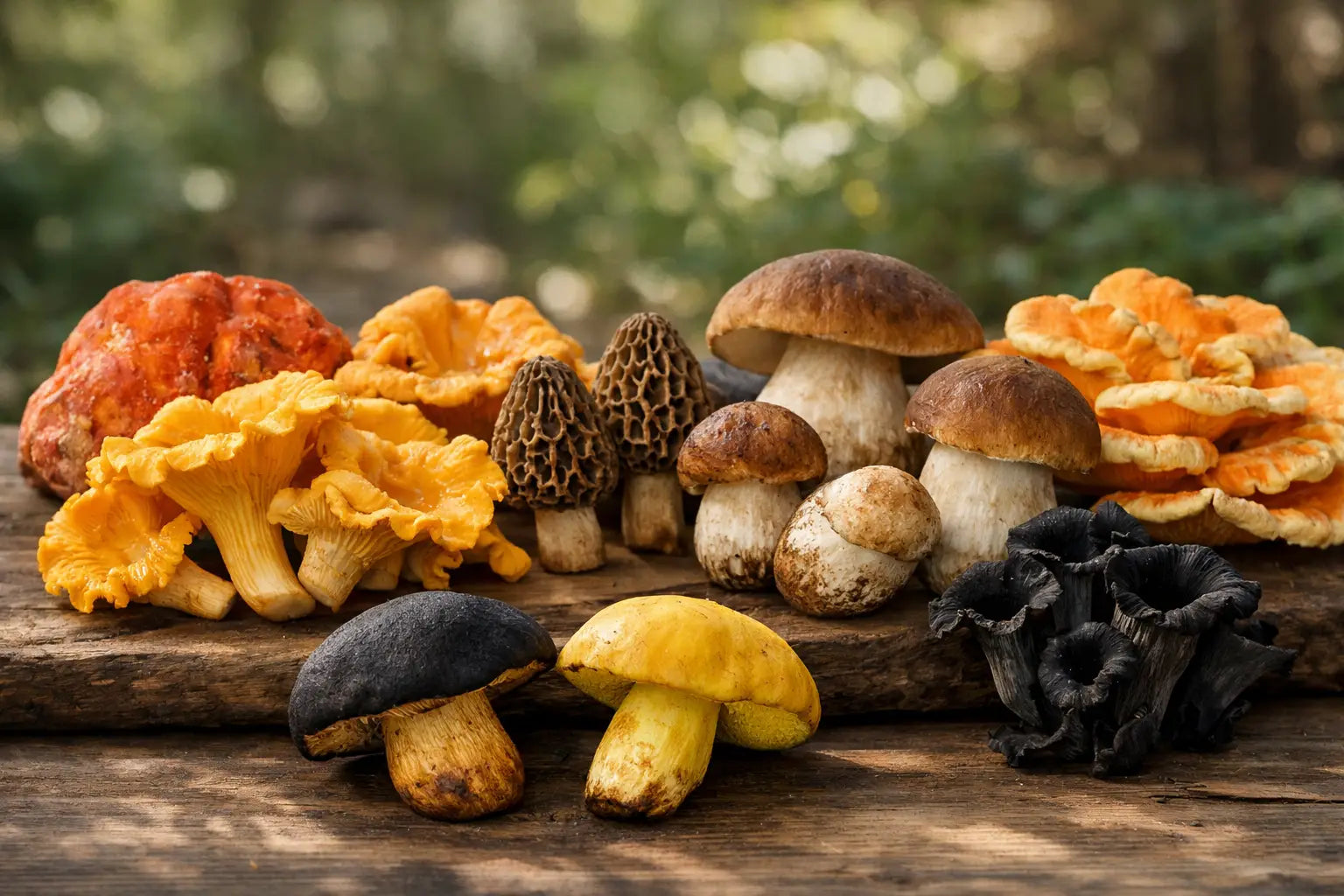
A chanterelle’s season is written in rain, temperature, and geography, which is why the answer changes dramatically from one part of the country to another. At Crown Fungi, that seasonal variation matters because when are chanterelles in season determines when fresh mushrooms have their brightest aroma, firmest texture, and most memorable flavor at home.
For most American cooks, the practical answer is late spring through fall. The more useful answer is that chanterelles usually arrive after dependable moisture, then disappear when conditions turn too dry, too cold, or simply move beyond their local window. Fresh availability can be brief and uneven, while frozen chanterelles offer a reliable way to cook with their golden color and gentle, apricot-like character beyond the fresh harvest.
When Are Chanterelles in Season by Region?
Chanterelles are not a single, coast-to-coast crop with one opening day. Several wild chanterelle species grow in different regions, and weather can move a season forward or back by weeks. Rain is the biggest variable. A rainy stretch can create a strong flush; a dry spell can make an expected season feel surprisingly quiet.
Pacific Northwest: Late Summer Through Fall
In the Pacific Northwest, golden chanterelles are generally associated with late summer and fall. August through November is a useful planning range, with September and October often delivering the most consistent stretch. Early autumn’s cooler nights and returning rain create the conditions that chanterelle lovers wait for.
This is the season many cooks picture when they think of fresh chanterelles: plump, golden mushrooms with a fragrant, woodsy sweetness. Their flavor is substantial enough for a simple pasta or roasted chicken, yet delicate enough to keep a cream sauce from becoming heavy.
Rocky Mountain and Inland West: Summer After Monsoon Rains
Across parts of the Rockies and Inland West, chanterelles can appear from roughly July into September, often following summer rains. The exact timing depends on elevation and local moisture. A wet summer can extend the window; a hot, dry one can make it short.
For a home cook planning a special dinner, this means summer chanterelles are best treated as a seasonal opportunity rather than a standing expectation. When they are available fresh, buy them with a recipe in mind and cook them soon. Their flavor is at its clearest when the mushrooms are handled simply.
Midwest and Northeast: Mid-Summer Into Early Fall
In the Great Lakes region and much of the Northeast, chanterelles commonly show up from July through September, sometimes reaching into early October. Warm weather paired with regular summer rain can produce an especially good window.
These are ideal months for dishes that bridge summer and fall: chanterelles folded into soft scrambled eggs, spooned over grilled bread, or sautéed with corn and fresh herbs. As nights cool, they also fit naturally into risotto, polenta, and buttery sauces for roast poultry.
Southeast: Late Spring Through Summer
The Southeast may see chanterelles earlier than northern regions, with seasons that can begin in late spring and continue through summer. Humidity and thunderstorms can be favorable, although timing still varies from place to place and year to year.
The takeaway is simple: there is no single national chanterelle season. Fresh chanterelles can be available somewhere in the United States across much of the warmer half of the year, but each harvest is shaped by local conditions.
What Peak-Season Chanterelles Are Like
Fresh chanterelles at their best have a lively golden-to-orange color, a firm but yielding feel, and a clean aroma that may suggest apricot, pepper, damp earth, or warm hay. They should look carefully cleaned, not waterlogged or crushed. A little natural variation in size and shape is normal with a wild mushroom, but the overall impression should be fresh and well cared for.
Their texture is part of the appeal. Chanterelles are meaty without being dense, and their folded caps hold onto butter, pan juices, and sauce beautifully. They have more personality than a mild cultivated mushroom, but they do not overwhelm a dish. That balance makes them especially friendly for home cooking.
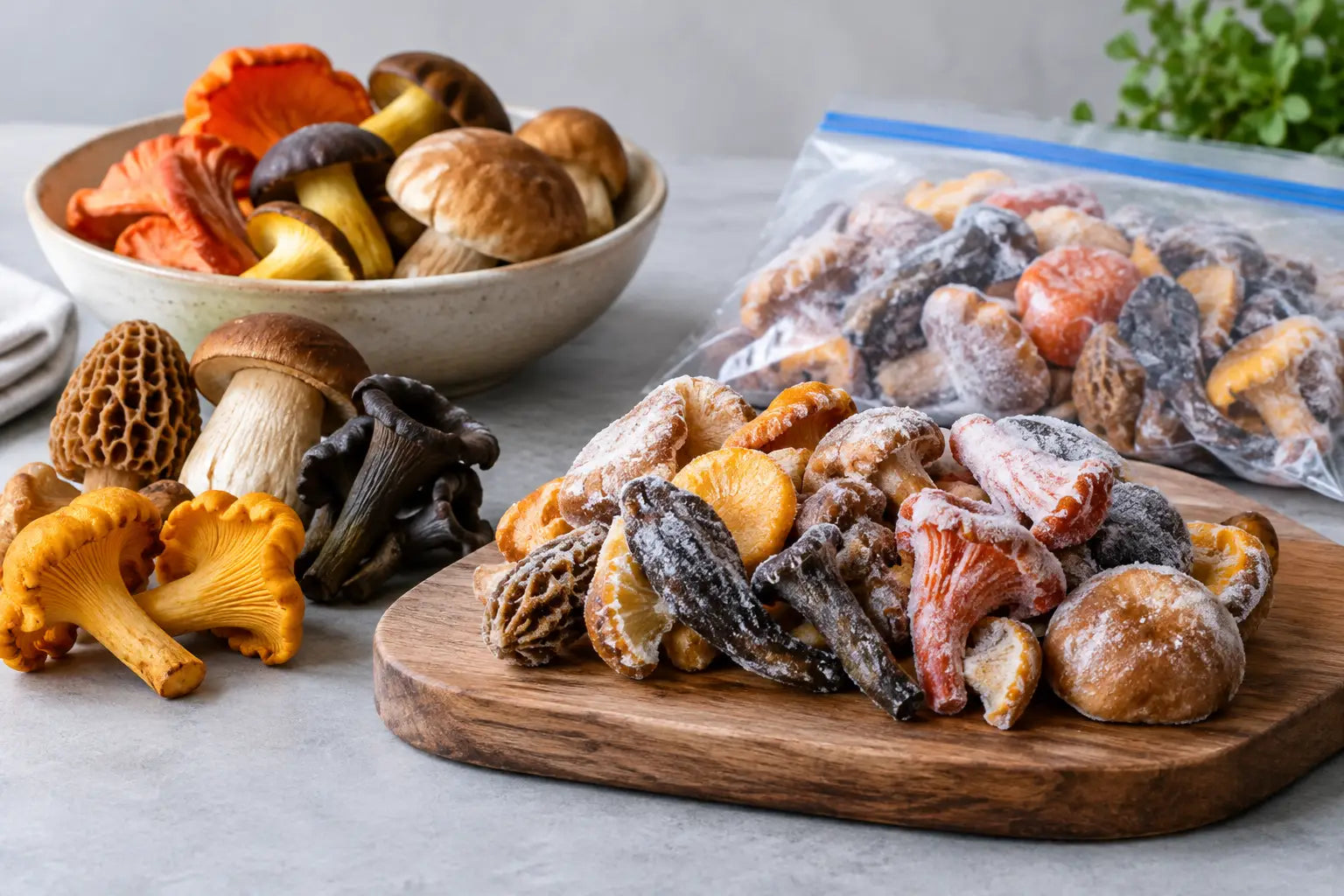
Fresh is the obvious choice when you want their shape and aroma to lead the meal. Frozen chanterelles are a smart alternative when fresh harvests are between windows or when you want to keep a premium mushroom ready for an impromptu dinner. Frozen mushrooms are best added directly to a hot pan so excess moisture can cook away quickly.
> Fresh Chanterelles
>
> A seasonal choice for pastas, eggs, poultry, and creamy sauces. Availability and price move with the harvest, so check the current Fresh Chanterelles listing before planning a time-sensitive meal.
How to Cook Chanterelles Without Losing Their Flavor
The most common mistake is crowding the pan. Chanterelles contain moisture, and a packed skillet causes them to steam before they can brown. Use a wide pan, cook in batches if needed, and give the mushrooms a few quiet minutes over medium-high heat before stirring.
Start with a small amount of neutral oil or butter. Once the mushrooms begin to color and their moisture has mostly cooked off, add more butter, a minced shallot, or a sprig of thyme if you like. Salt toward the end. This approach preserves their texture and keeps their fruit-like, foresty notes present.
They pair particularly well with eggs, pasta, potatoes, chicken, corn, peas, soft cheeses, and herbs such as parsley, tarragon, and thyme. Cream is classic, but it should support the mushrooms rather than bury them. A splash of white wine or a squeeze of lemon at the end can bring welcome contrast.
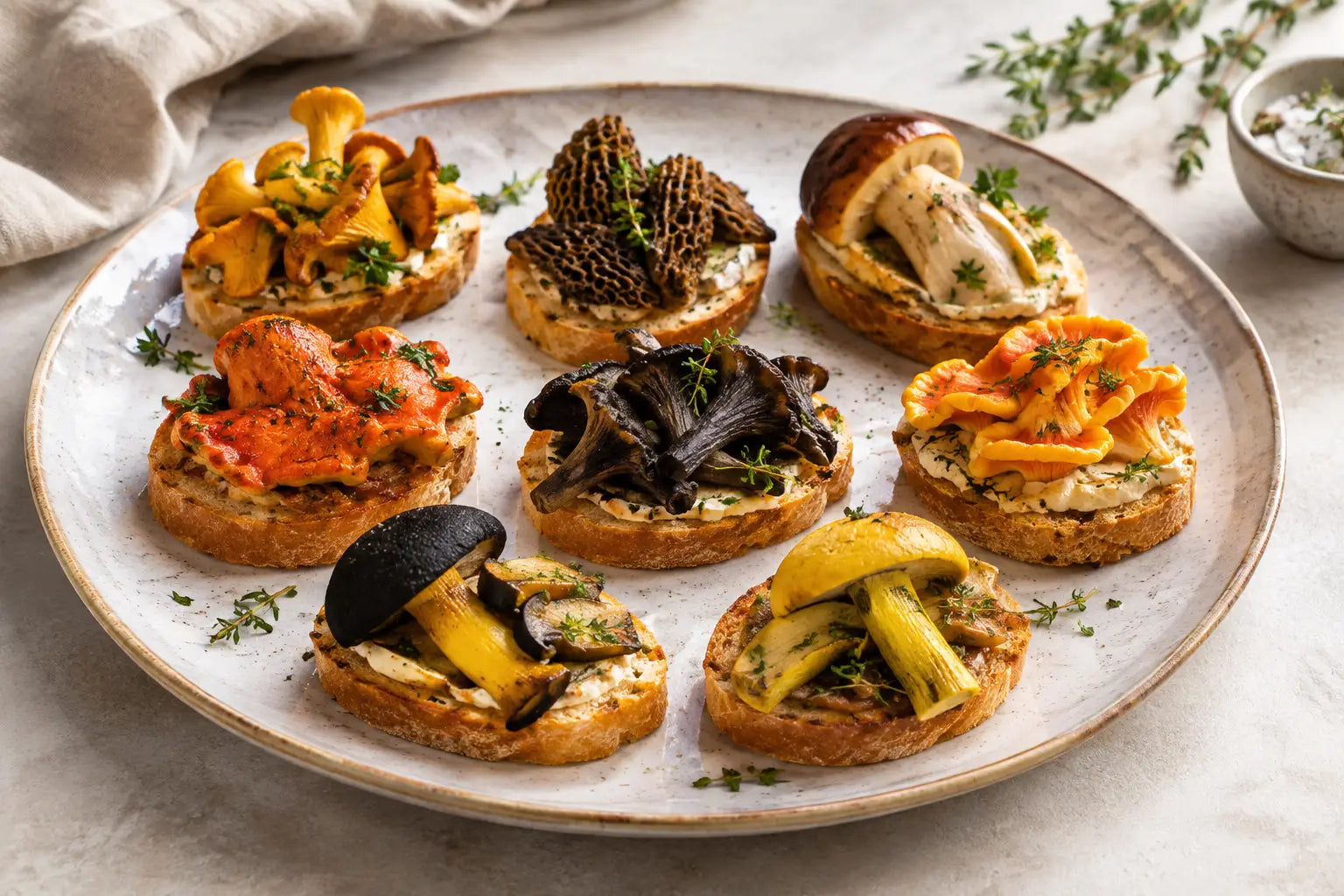
For a fast weeknight use, sauté chanterelles until browned, season with salt and black pepper, and fold them into softly scrambled eggs. For a more celebratory meal, finish them with butter and spoon them over toasted bread with ricotta, or toss them through pasta with a little pasta water and grated Parmesan.
Fresh or Frozen: Which Should You Choose?
Choose fresh chanterelles when the season is active and you want the experience of cooking a just-harvested mushroom. They are particularly good in dishes where their appearance matters, such as a tart, a composed toast, or a simple sauté served over polenta.
Choose frozen chanterelles when convenience matters or when you want to enjoy chanterelle flavor outside your region’s fresh window. They work beautifully in sauces, soups, risotto, stuffing, and pasta. The trade-off is that frozen mushrooms may release more moisture, so a hot pan and enough space are essential.
Neither choice is inherently better. Fresh highlights the immediate season; frozen makes a seasonal ingredient practical when the craving arrives later.
How Long Does Chanterelle Season Last?
A local chanterelle flush may last only a few weeks, though a broader regional season can stretch for months. Rainfall patterns matter more than the calendar alone. That is why fresh listings can change quickly, even during a traditionally strong month.
If you are buying fresh chanterelles for a dinner party or gift, plan the menu after confirming availability rather than building the entire meal around a date on the calendar. Once they arrive, keep them refrigerated in a breathable container or loosely wrapped paper, and cook them within a few days for the best texture.
Shop This Mushroom
Fresh chanterelles reward simple cooking, a hot pan, and a little attention to the season. Explore the current Fresh Chanterelles offering when you are ready to bring their golden color and unmistakable flavor to your next meal.