Cart
0
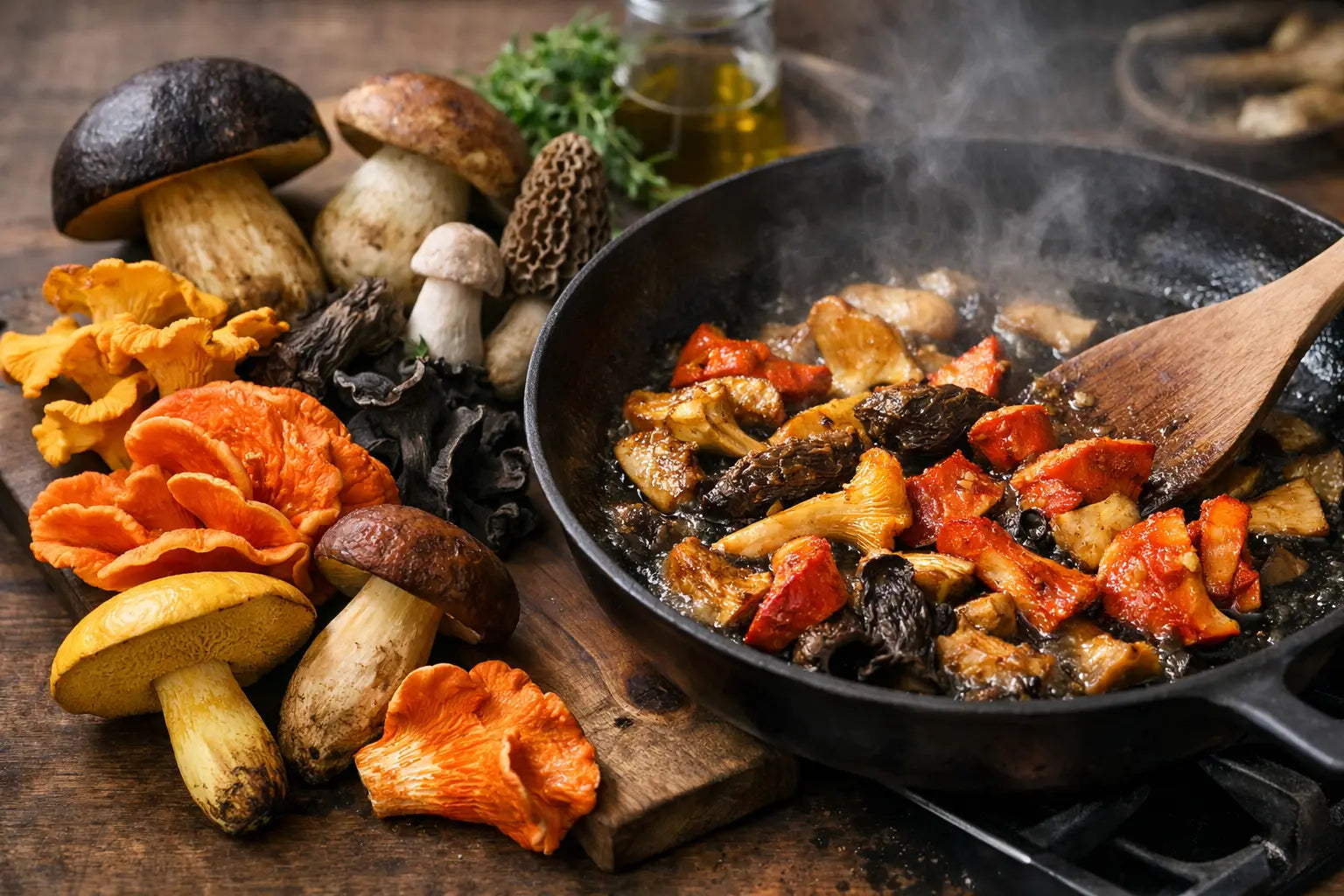
Lobster mushrooms earn their place in a special dinner because they bring an unmistakable color, firm bite, and subtle seafood-like richness to the pan. When you sauté lobster mushrooms from Crown Fungi, the goal is not to bury that character under too much butter or sauce. It is to build a deep golden crust while keeping the pieces tender, substantial, and vivid.
This is a mushroom that rewards a little attention. Lobster mushrooms can look dramatic in the package, with their bright orange-red exterior and pale interior, but their best flavor arrives through simple cooking: a hot, roomy skillet, enough fat to encourage browning, and seasoning added at the right time. Treat them like the centerpiece of the plate, not a background vegetable.
What Makes Lobster Mushrooms Different in a Skillet
Lobster mushrooms are dense and meaty, with an irregular shape that creates plenty of ridges and edges for browning. Those textured surfaces are an advantage, but they also mean the pieces need to be cut with some intention. Thick slices cook more evenly than tiny fragments, which can dry out before their larger neighbors are ready.
Their flavor is earthy first, then savory, with a faint shellfish-like quality that becomes more noticeable when the mushrooms caramelize. A hard sear brings out this richness. Gentle steaming does not. If the skillet is crowded or the heat is too low, the mushrooms release moisture and soften before they brown, leaving you with a less exciting texture.
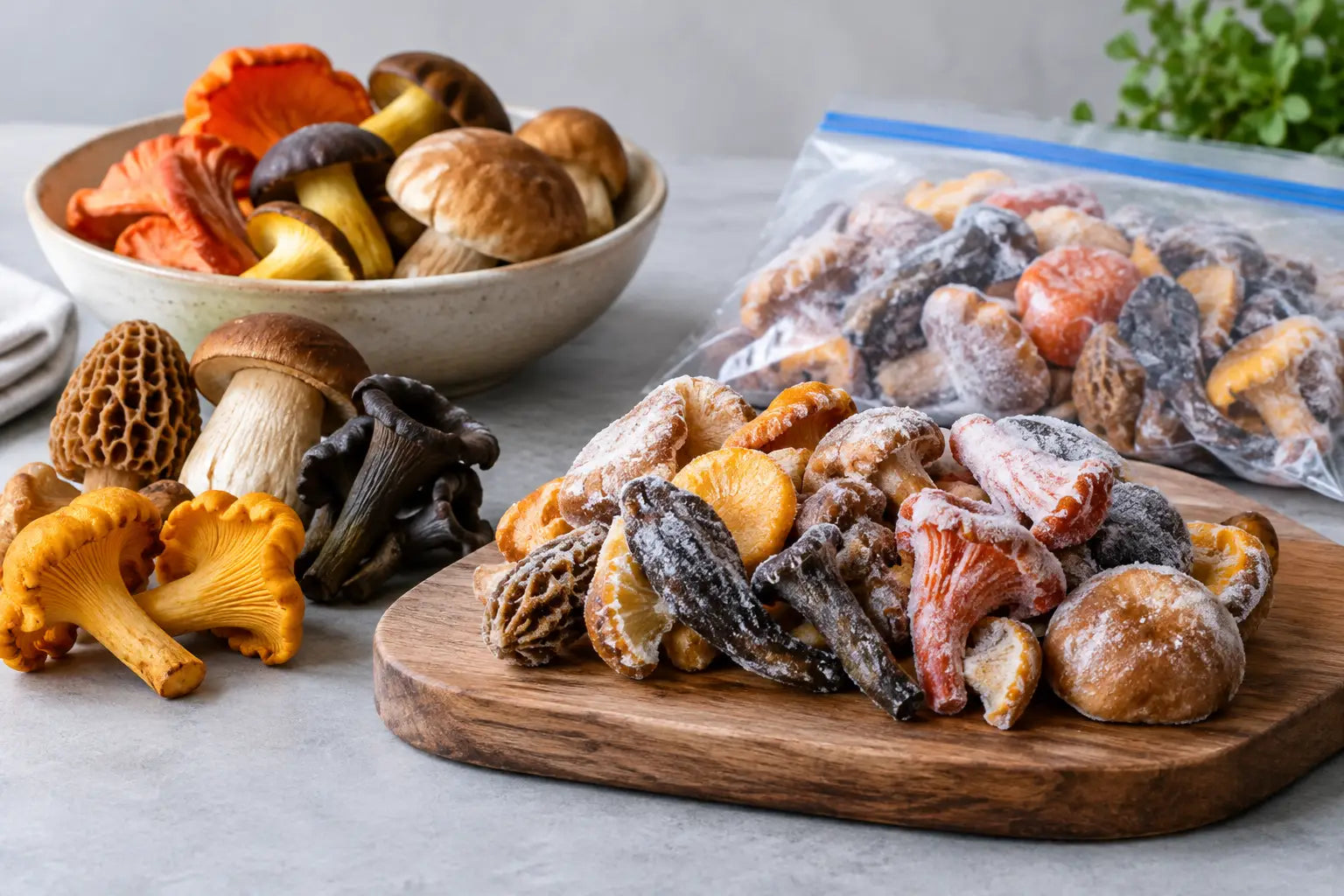
Fresh and frozen lobster mushrooms need slightly different handling. Fresh mushrooms can go into the skillet once they are cleaned and thoroughly dried. Frozen mushrooms are especially convenient outside a brief fresh season, but they benefit from being cooked straight from frozen in a hot pan, giving excess moisture time to evaporate before adding butter or delicate aromatics.
Prep Before You Sauté Lobster Mushrooms
Avoid soaking lobster mushrooms in water. Their folds can hold moisture, which works against browning. Instead, brush away visible debris or use a barely damp towel, then pat the mushrooms dry. Trim any tough or discolored spots, but do not over-trim the interesting craggy edges. They are where the best crust forms.
Slice larger mushrooms into pieces about one-half inch thick. Small pieces can be halved or left whole if they are relatively even. The key is consistency: if one piece is paper-thin and another is a thick wedge, one will darken too quickly while the other remains undercooked.
Set out your salt, pepper, fat, and finishing ingredients before you turn on the heat. Once the mushrooms begin to brown, the cooking moves quickly. A few leaves of thyme, a smashed garlic clove, lemon, parsley, or a small splash of dry white wine can all work well, but use them as accents. Lobster mushrooms do not need a long ingredient list to taste complete.
The Best Pan, Heat, and Fat
A wide cast-iron skillet or heavy stainless-steel pan is ideal because it holds heat when the mushrooms hit the surface. Use a pan large enough to arrange the mushrooms in a mostly single layer. If you are cooking more than the pan can hold comfortably, work in batches. That extra few minutes is worth more than trying to force a crowded pan to brown.
Start with a neutral high-heat oil such as avocado oil, grapeseed oil, or a light olive oil. Butter alone can brown too quickly, especially if your skillet is very hot. Adding butter after the mushrooms have begun to color gives you its nutty flavor without risking burned milk solids.
Heat the pan over medium-high heat until the oil looks fluid and shimmers lightly. Add the mushrooms, then resist the urge to stir them immediately. Their first contact with the pan is when a browned surface begins to develop.
> Pan-ready cooking note: Lobster mushrooms need space more than constant movement. If the skillet sounds wet and quiet, keep cooking. If it sounds actively sizzling, you are on the right track.
How to Sauté Lobster Mushrooms Step by Step
Add the prepared mushrooms to the hot oil in one layer. Leave them untouched for about two minutes. Then turn the pieces and let the second side brown. Continue cooking for another four to six minutes, turning only as needed, until the mushrooms are deeply golden in spots and feel tender when pierced with a knife.
At first, they may release a little moisture. Do not rush to add more oil, butter, or wine. Let that moisture cook off. Once the pan is mostly dry again and the mushrooms are taking on color, add a tablespoon or two of butter along with a smashed garlic clove or a few thyme sprigs, if using. Tilt the pan and spoon the foaming butter over the mushrooms for about a minute.
Season with kosher salt and freshly ground black pepper near the end. Salting too early is not a disaster, but waiting until browning is underway gives you more control over surface moisture and lets you taste the mushroom's natural savory flavor first. Finish with a few drops of lemon juice or a small pinch of flaky salt just before serving.
The mushrooms are ready when they are browned at the edges, warm all the way through, and pleasantly firm rather than rubbery. There is no need to cook them until they collapse. Their substantial texture is part of the appeal.
Common Mistakes That Flatten the Flavor
The most common issue is a crowded skillet. When mushrooms are piled together, they steam in their own released moisture. You can still cook them through, but you lose the browned edges that make sautéed lobster mushrooms memorable. Split the batch in two if necessary.
The second mistake is adding garlic at the beginning. Garlic can burn before dense mushroom pieces have had time to caramelize, leaving a bitter note in the pan. Add it with the butter near the finish, when it has only a minute or so to perfume the dish.
Finally, do not cover the skillet. A lid traps steam, which softens the mushrooms and prevents a crisp exterior. If you want a softer, saucier preparation, that can be delicious, but it is a different approach. For a straightforward sauté, keep the pan uncovered and let heat do the work.
Pairings That Let Lobster Mushrooms Lead
Lobster mushrooms have enough presence to anchor a simple meal. Spoon them over creamy polenta with the browned butter from the pan. Fold them into softly scrambled eggs with chives. Serve them beside a seared steak, roasted chicken, or mild white fish, where their savory character can stand in contrast without competing.
Pasta is another natural match, especially wide noodles or a short shape that catches the buttery juices. Toss the mushrooms with pasta, a small amount of pasta water, Parmesan, and parsley. Keep the sauce light. Heavy cream can overwhelm their distinctive flavor, although a modest spoonful of crème fraîche can add richness without taking over.
For a vegetarian plate, pair them with white beans, toasted sourdough, and a lemony green salad. The combination feels generous while allowing the mushrooms to remain the point of the meal. If you are opening a bottle, choose a bright white wine or a lighter red with enough acidity to cut through the butter.
Fresh or Frozen: Choose for the Meal You Want
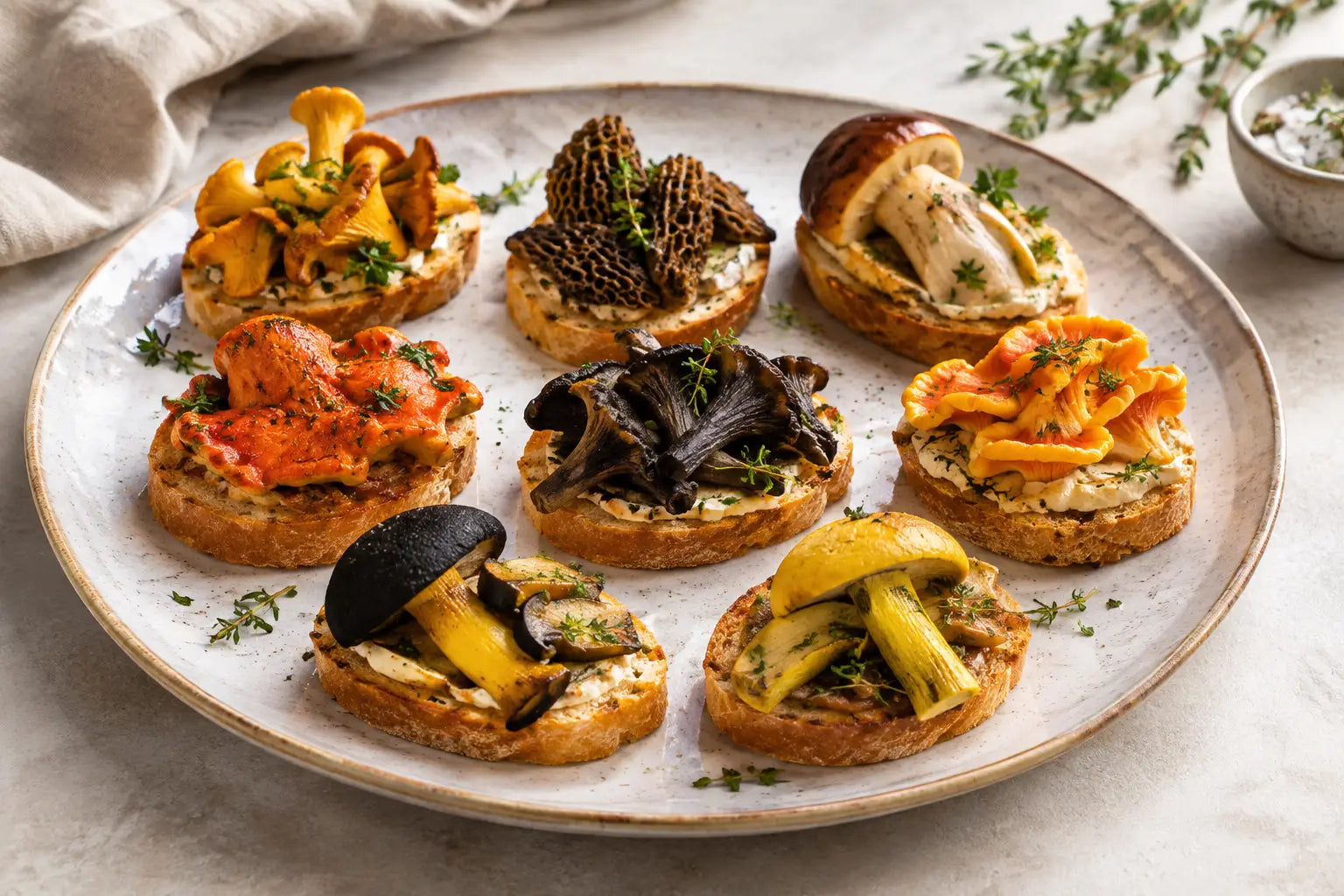
Fresh lobster mushrooms are especially rewarding when you want to showcase their bold appearance and irregular, sculptural pieces. Use them for a dinner where the mushrooms are visible on the plate, such as toast, polenta, or a composed side dish.
Frozen lobster mushrooms are a smart choice when you want wild mushroom flavor ready for a weeknight pasta, risotto, or breakfast. Cook them directly from frozen rather than thawing them on the counter. That keeps the process cleaner and gives you the best chance of cooking off surface moisture before the mushrooms begin to brown.
Whichever format you choose, the same rule applies: do not rush the pan. A properly sautéed lobster mushroom should taste concentrated, buttery, earthy, and just a little unexpected.
Shop This Mushroom
Bring that bold, savory character to your next meal by exploring Crown Fungi's current fresh and frozen seasonal lobster mushroom offerings. Choose the format that suits your menu, heat a wide skillet, and give these wild mushrooms the space they need to shine.