Cart
0
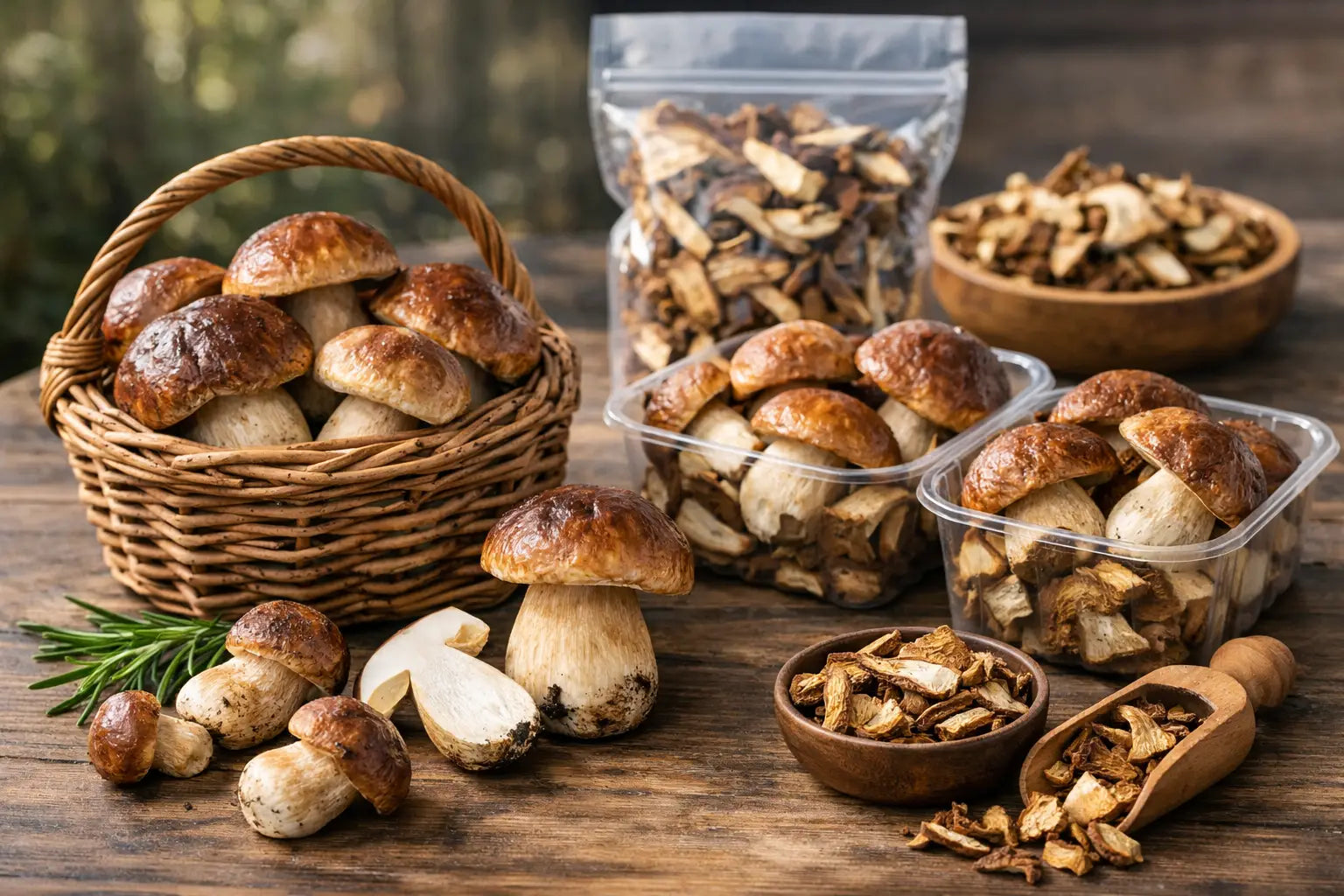
Porcini can make or break a plate. When the aroma is deep, the caps are intact, and the product has been handled correctly, they bring the kind of savory concentration that holds up in risotto, pasta, sauces, and composed meat dishes. When sourcing is sloppy, you get excess moisture, broken pieces, weak aroma, or product that arrives with too much variability to use confidently. If you are deciding where to buy porcini mushrooms, the real question is not simply who has them - it is who can supply them in a format and quality tier that fits your kitchen.
Where to buy porcini mushrooms for serious kitchens
The best place to buy porcini mushrooms is a specialty supplier built around wild mushrooms rather than a general grocery distributor. Porcini are not a commodity item. They require proper grading, careful cleaning, preservation discipline, and shipping practices that protect texture and aroma. A broadline supplier may list porcini when available, but availability alone is not the same as consistency.
For chefs, restaurant buyers, and advanced home cooks, the strongest option is usually an ecommerce supplier or specialty wholesaler that handles wild mushrooms as a core category. That matters because porcini quality is defined by details: cap structure, slice thickness if dried, moisture control, cleanliness, and whether the product was preserved at the right stage. A specialist is more likely to understand the difference between product that is technically sellable and product that performs under service pressure.
If you are buying for a professional kitchen, format should lead the decision. Fresh porcini can be exceptional when the season and handling align, but dried and frozen formats often provide the reliability kitchens need for menu planning. That is especially true when consistency across multiple orders matters more than the novelty of a single shipment.
Choose the right porcini format before you buy
Buying porcini without deciding on format first usually leads to the wrong purchase. The best supplier for one format may not be the best supplier for another, and the product should match the way you intend to use it.
Fresh porcini
Fresh porcini are the most visually striking option and often the first format buyers ask about. They offer strong aroma, meaty texture, and broad menu flexibility when they arrive in excellent condition. The trade-off is obvious: they are highly perishable and require precise handling from harvest through delivery.
If you are buying fresh, pay attention to firmness, clean trimming, and the condition of the sponge layer under the cap. You want mushrooms that look professionally handled rather than roughly packed. For restaurant use, fresh porcini make the most sense when your receiving schedule is tight and your menu can absorb the product immediately.
Frozen porcini
Frozen porcini are often the most practical choice for kitchens that need wild mushroom flavor with better inventory control. When frozen at peak quality, porcini retain much of their flavor performance while giving chefs more flexibility in prep and purchasing. This format is especially useful for sauces, fillings, soups, ragus, and hot applications where consistency matters more than the fresh visual.
The key is whether the supplier freezes quality product at the right point and maintains cold-chain discipline all the way to delivery. Poorly frozen mushrooms can purge too much water, lose structure, or show signs of freezer abuse. Well-handled frozen porcini, by contrast, solve a real operational problem: they let you buy with confidence without tying every order to immediate use.
Dried porcini
Dried porcini are the pantry workhorse. They offer concentrated aroma, a long usable shelf life, and broad utility across stock, butter, cream sauces, stuffing, pasta, and rice dishes. For many buyers, dried is the smartest entry point because it delivers the most stable year-round performance.
But dried quality varies more than many buyers expect. Some product is beautifully aromatic with clean, substantial slices. Other product is dusty, fragmented, dark in the wrong way, or lacking the perfume that justifies the purchase. If you buy dried porcini, inspect the ratio of larger pieces to crumbs, the cleanliness of the pack, and the smell as soon as the bag is opened. Aroma tells you a great deal before the mushrooms ever hit water.
What to look for in a porcini supplier
A reliable porcini supplier should give you confidence before the box arrives. That confidence comes from operational signals, not marketing language.
First, look for assortment clarity. A strong supplier should make it obvious whether the porcini are fresh, frozen, or dried, and should communicate the intended use case of each format. Ambiguity usually suggests a seller that treats wild mushrooms as a side category rather than a discipline.
Second, look at handling standards. Porcini need proper grading and packing. Fresh product should be protected from crushing and excess moisture. Frozen product should ship in a way that preserves the cold chain. Dried product should be packed to limit breakage and humidity exposure. If those basics are not visible in the supplier's presentation, quality control may be uneven behind the scenes.
Third, evaluate whether the business is built for repeat purchasing. Serious kitchens need supply partners, not one-off novelty sellers. That means dependable fulfillment, product that arrives usable, and inventory planning that supports service. Crown Fungi, for example, approaches wild mushrooms with that chef-trusted supply mindset, which is exactly what high-intent buyers should look for.
Where buyers often go wrong
Price shopping alone is the fastest way to buy disappointing porcini. Lower-cost product can be perfectly acceptable for secondary applications, but in many cases the discount reflects lower grading, more breakage, weaker aroma, or poor preservation. That may still work for blended stocks or highly reduced sauces, but it is rarely the right choice when porcini are central to the dish.
Another common mistake is buying from sellers who do not specialize in mushrooms. A general gourmet marketplace may carry porcini, yet still lack the handling precision that wild product requires. The result can be inconsistency from one order to the next, which is a costly problem if you are writing menus around flavor expectations.
Buyers also underestimate the value of format flexibility. If you only look for fresh porcini, you limit your options and expose yourself to more variability. Kitchens that use a mix of frozen and dried porcini often achieve better consistency, lower waste, and easier inventory management.
How to judge quality when the product arrives
Once your porcini are delivered, the first quality check should be immediate and practical. Fresh porcini should feel firm, smell woodsy and clean, and show no signs of excessive slime or bruising beyond minor handling marks. Some natural variation is normal in wild product, but the mushrooms should still read as graded and professionally packed.
Frozen porcini should arrive fully frozen with no evidence of thawing and refreezing. Clumping, heavy frost inside the package, or obvious ice damage can point to temperature abuse. In a professional setting, that is not a minor issue - it affects both texture and yield.
Dried porcini should open with a strong, concentrated aroma. The package should not be dominated by powder unless that is the specific grade purchased. Large, clean pieces usually give you more versatility and easier portion control, while excessive crumbs can make labor and filtration more cumbersome.
The best buying choice depends on your use case
For a restaurant running porcini as a regular flavor component, frozen and dried formats are often the most dependable purchasing strategy. They support prep planning, reduce spoilage risk, and make it easier to maintain a consistent dish over time. For chefs featuring porcini in a more prominent seasonal role, fresh can be worth pursuing when handled correctly and used quickly.
For advanced home cooks, dried porcini are usually the most efficient purchase. They deliver serious flavor, store well, and allow you to build porcini depth into weeknight cooking without chasing narrow delivery windows. Frozen porcini can also be an excellent option if you cook frequently and want a ready-to-use product with less prep variability.
So where to buy porcini mushrooms? Buy from a specialist that treats wild mushrooms as a professional ingredient category, not a luxury add-on. Prioritize format, handling, and consistency over novelty, and you will end up with porcini that perform the way they should in the pan. The right supplier does more than sell mushrooms - it gives your kitchen one less variable to worry about.