Cart
0
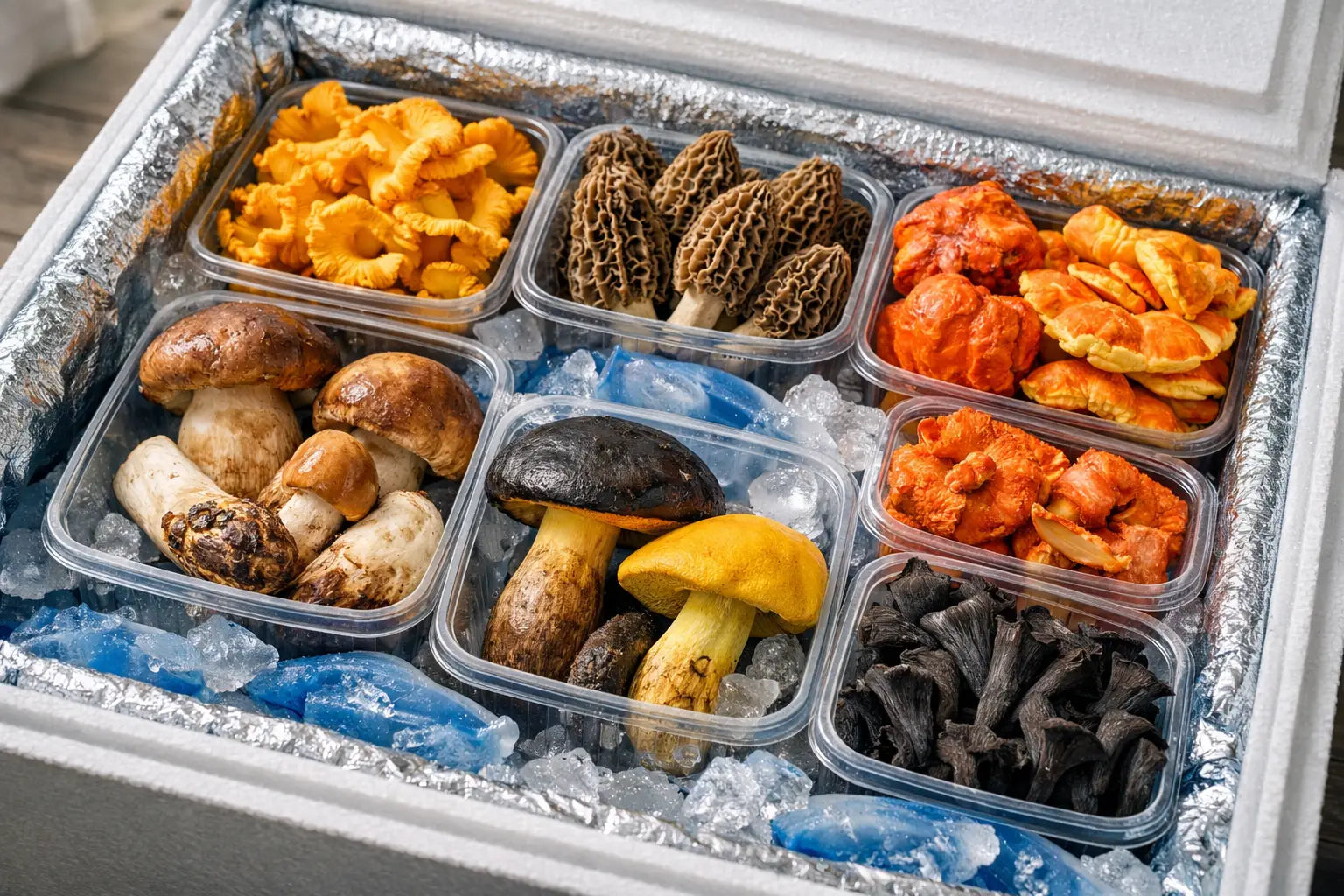
At Crown Fungi, cold packed mushroom delivery is treated as part of ingredient quality, not a final shipping detail. Wild mushrooms move from their source to a professional kitchen with a short window for protecting aroma, texture, and visual condition. The box matters because the product inside is being judged on the plate.
For chefs, buyers, and serious home cooks, a cold-packed shipment should arrive ready for inspection, storage, and service planning. It should not require rescuing from excess moisture, guesswork about temperature exposure, or a rush to use product that has lost its edge in transit.
What cold packed mushroom delivery should protect
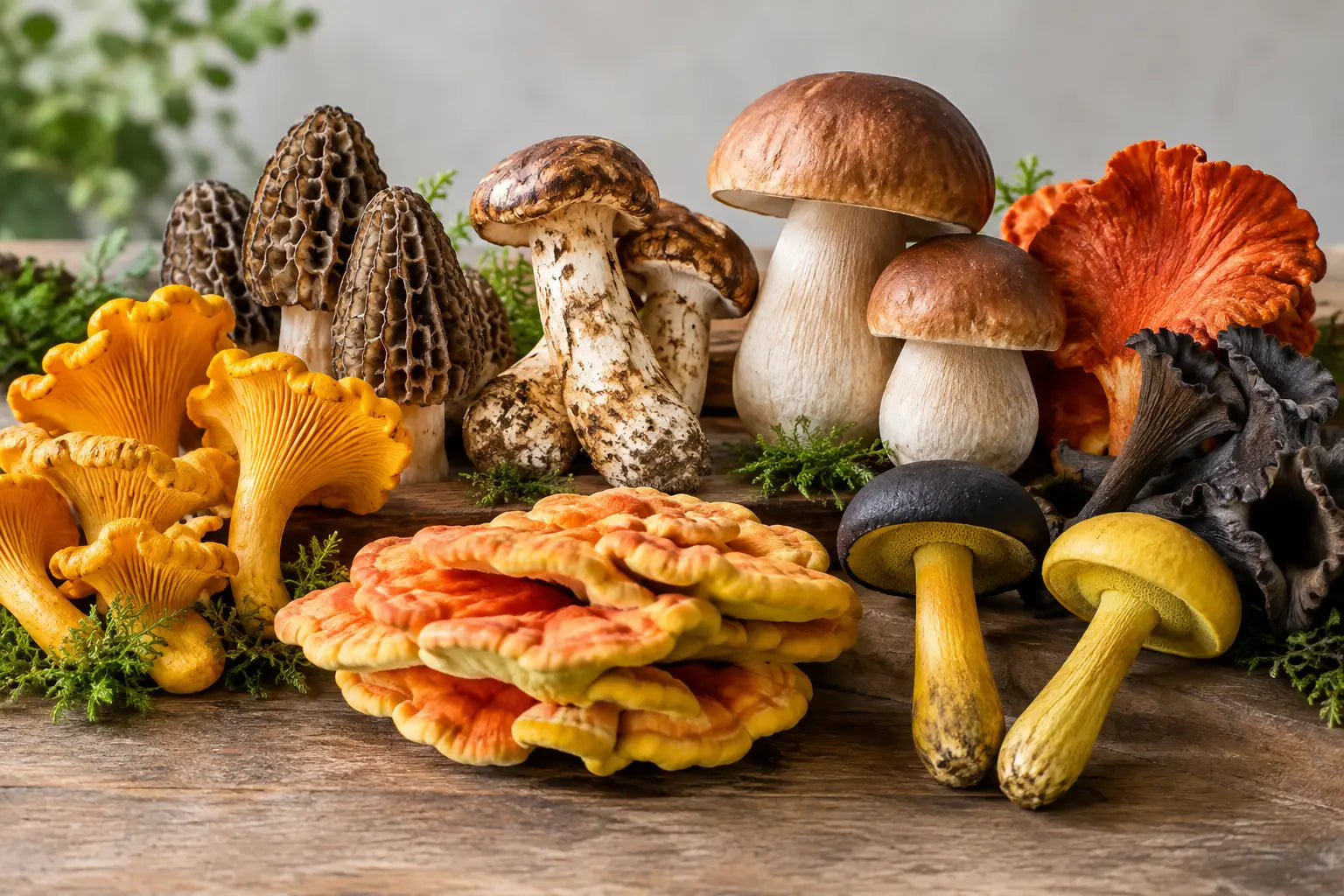
Fresh wild mushrooms are not interchangeable with standard produce. Chanterelles, morels, porcini, lobster mushrooms, black trumpets, matsutake, and chicken of the woods each have distinct structures and moisture behavior. Their condition changes quickly when temperature, packaging, and transit time are poorly managed.
Cold packing helps maintain the qualities a kitchen actually purchases: fragrance, firmness, clean appearance, and usable yield. It reduces the risk that warmth accelerates softening or that condensation creates wet surfaces and compressed product. The goal is not to make a fresh mushroom last indefinitely. The goal is to preserve its best working condition through the point of delivery.
That distinction matters during menu planning. A chef purchasing rare mushrooms for a weekend tasting menu or a hotel banquet needs product that performs predictably after receipt. A specialty grocer needs product that can be inspected confidently before it reaches the retail case. Temperature-controlled fulfillment supports that reliability when it is matched with disciplined sourcing and realistic transit planning.
Cold packed mushroom delivery starts before the box
An insulated carton and cold packs cannot correct poor upstream handling. Quality begins with professional grading, cleaning, and packing decisions made while the mushrooms are still close to their source.
Wild mushrooms should be sorted with culinary use in mind. Broken pieces, excessive field debris, moisture-heavy product, and inconsistent sizing can all affect a buyer's yield and prep time. For premium shipments, handling must preserve the character of the variety rather than forcing every mushroom into one generic packing method.
Morels, for example, require protection from crushing while retaining their delicate structure. Chanterelles benefit from careful airflow and restraint against excess moisture. Dense porcini and firm chicken of the woods have different physical demands than fragile black trumpets. The operational standard is the same: package each product to arrive in a condition appropriate for professional use.
Cold packs are one component of this process. Insulation buffers outside temperatures, while product arrangement helps prevent direct pressure and unnecessary movement. Shipment timing matters just as much. A package entering a carrier network before a weekend or holiday delay may face more risk than one scheduled for a cleaner transit window.
Temperature control is not the same as freezing
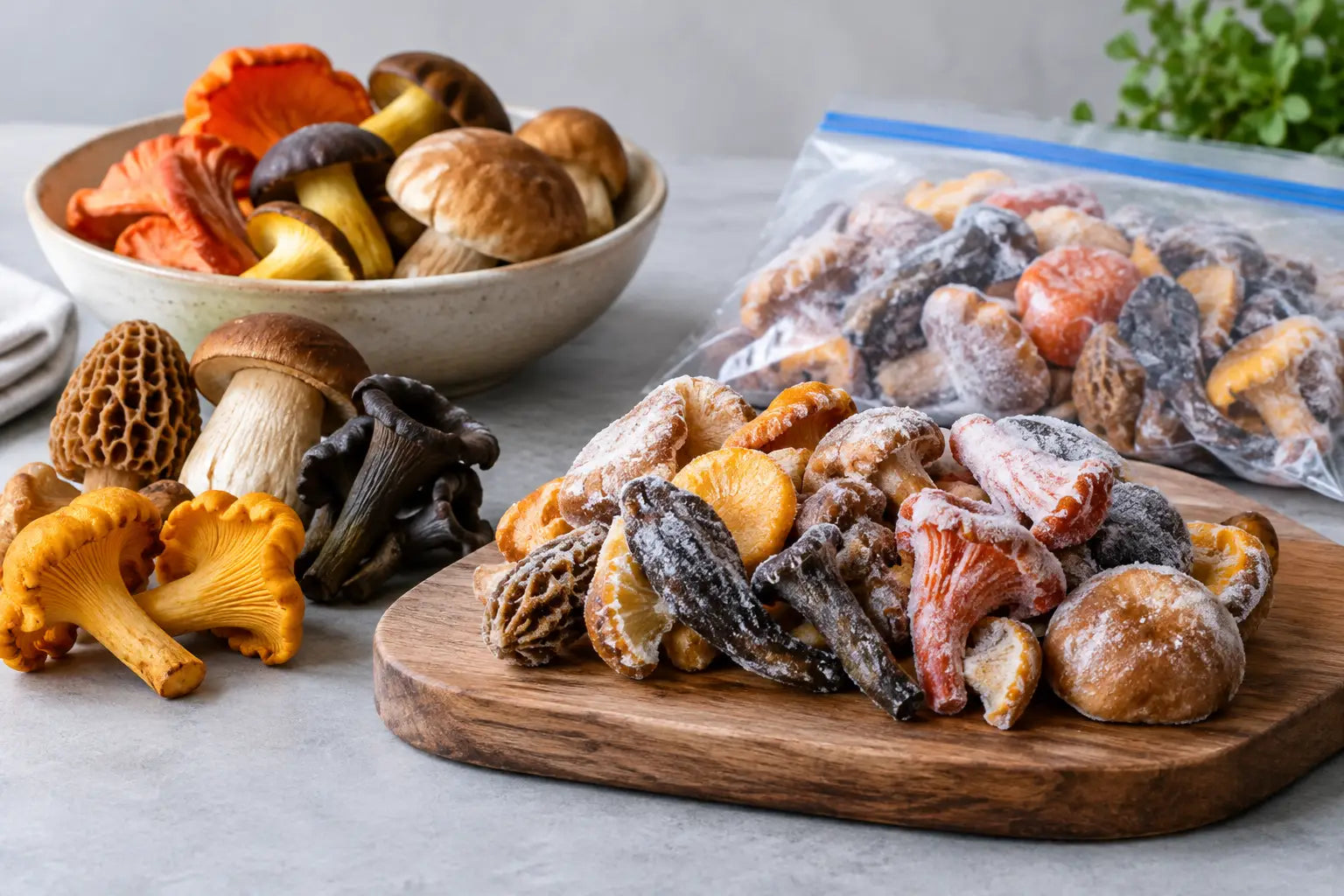
Fresh mushrooms should arrive cold, but they should not be treated like frozen inventory. Freezing can alter the structure of fresh mushrooms, producing moisture loss and texture changes after thawing. Cold packing is designed to hold a refrigerated environment during transit, not to convert fresh product into a different format.
For kitchens that need longer holding capability, frozen-at-peak mushrooms serve a separate purpose. Frozen mushrooms provide dependable access when the fresh market is limited, and they are especially useful in sauces, fillings, soups, risotto, and other preparations where their preserved flavor can be applied with consistency. Dried mushrooms offer another planning tool, with concentrated flavor and a longer pantry life.
The right format depends on the dish, the expected volume, and the receiving schedule. Fresh product offers immediate visual impact and a distinctive eating experience. Frozen and dried inventory can reduce exposure to seasonal gaps and freight uncertainty. Strong purchasing programs often use more than one format rather than asking fresh product to solve every menu need.
What to check when a shipment arrives
Receiving discipline protects the value of a premium order. Inspect the delivery promptly, especially when the weather is warm or carrier schedules are under pressure. A cold package should be opened soon after arrival rather than left on a loading dock, porch, or dry-storage shelf.
Start with the overall condition. The interior should feel cold, and the product should be protected from crushing and excessive free moisture. A small amount of natural moisture can occur with fresh mushrooms, but pooled liquid, heavy condensation, or a warm package deserves immediate attention.
Then assess the mushrooms by culinary standards. Look for clean, intact pieces; the expected color and fragrance for the variety; and texture appropriate to the product. Fresh mushrooms are natural, seasonal ingredients, so exact size and shape will vary. What should remain consistent is their usefulness in the kitchen.
After inspection, move the mushrooms into proper refrigerated storage. Avoid sealing them tightly in a way that traps moisture. A breathable storage approach and a cold, stable environment will generally preserve condition better than crowded containers or repeated warming and chilling. Keep them away from strong odors, standing water, and heavy items that can bruise delicate caps or trumpets.
The trade-off between speed, cost, and condition
Cold-chain fulfillment has real costs. Insulation, refrigerant, protective packaging, and faster carrier service add expense, especially for nationwide deliveries. For rare wild mushrooms, however, cheap shipping can become expensive product loss.
The correct service level depends on distance, forecast conditions, and the product format. Fresh mushrooms require the most careful timing. Frozen shipments have their own temperature demands and should be handled as frozen from delivery through storage. Dried mushrooms are less exposed to temperature risk, making them a practical option when a kitchen is building flavor inventory rather than seeking fresh presentation.
Buyers should also consider order cadence. Smaller, more frequent fresh deliveries may support peak quality and reduce spoilage for restaurants with changing covers. Larger planned orders can make sense for events, retail programs, or menus with stable demand. Neither approach is universally better. The reliable choice is the one aligned with storage capacity, projected usage, and the cost of running short during service.
Weather changes the equation
Summer heat, winter freezes, regional distance, and carrier congestion all influence delivery risk. A cold-packed order is designed to manage those variables, but no packaging system makes transit conditions irrelevant. Professional suppliers watch the calendar, avoid unnecessary delays, and make fulfillment decisions that protect the ingredient rather than simply pushing a shipment out the door.
For receiving teams, that means giving delivery windows the same attention as other perishable purchasing. Confirm who is available to receive the shipment, where it will be stored, and when it is needed for prep. A precise cold-pack program works best when the kitchen has a precise receiving plan.
Why reliability matters for wild mushroom menus
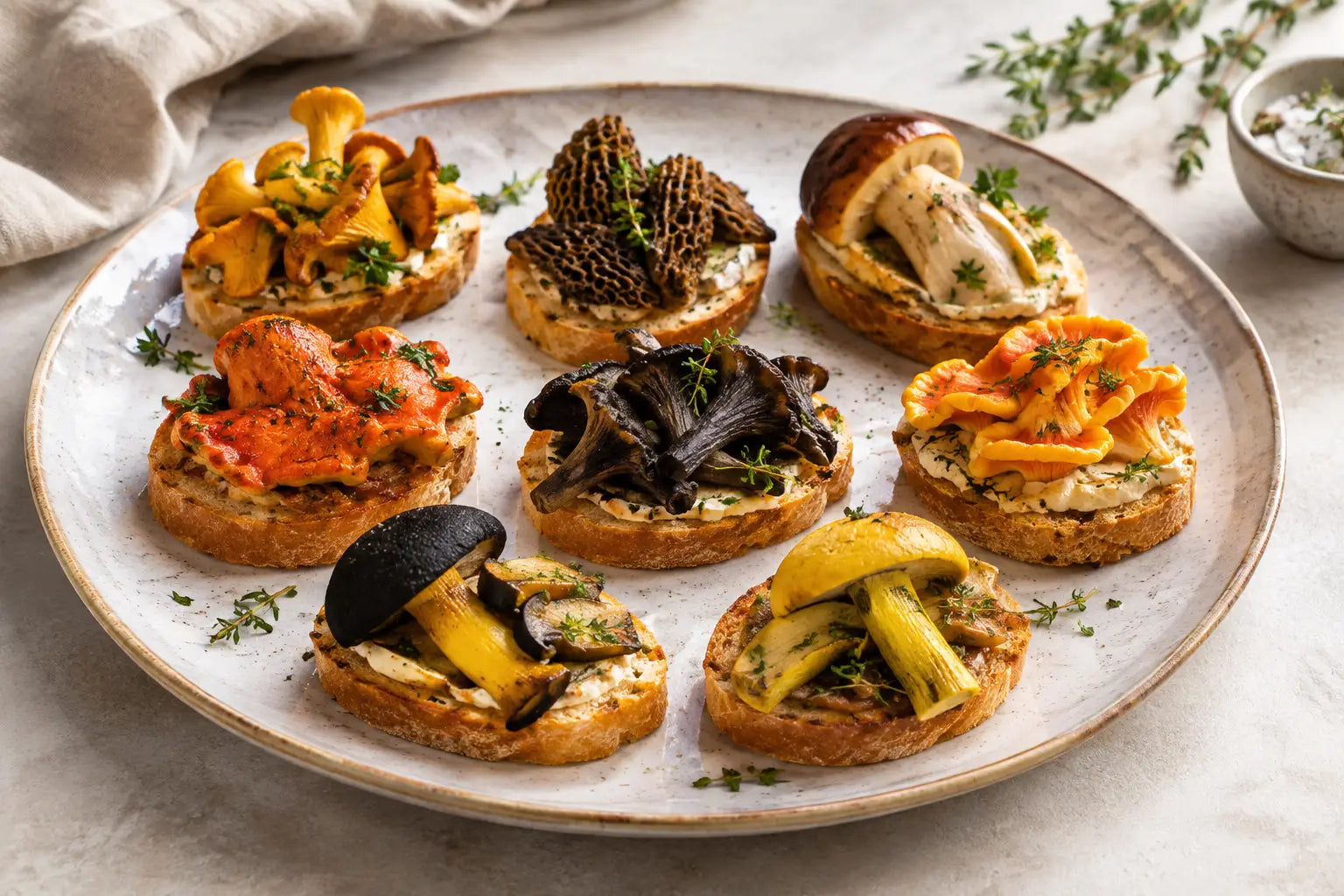
Wild mushrooms are purchased for more than novelty. Chanterelles bring apricot-like aroma and golden color. Morels provide a honeycombed texture that holds sauce and stuffing beautifully. Porcini bring depth to pastas and sauces, while black trumpets offer a dark, aromatic accent. These are ingredients with specific culinary roles, and their condition directly affects whether those roles can be executed at a high level.
A reliable delivery program protects a chef's ability to write a dish with confidence. It supports accurate prep yields, reduces emergency substitutions, and helps kitchen teams focus on cooking rather than managing preventable product damage. For home cooks working at an advanced level, it provides the same assurance: rare mushrooms arrive with the integrity needed for the meal they planned.
The best cold packed mushroom delivery is therefore not defined by a box alone. It is the result of wild-focused sourcing, variety-specific handling, preservation strategy, and fulfillment discipline working together. Explore Crown Fungi's current seasonal offerings to source wild mushrooms handled with the standards serious kitchens expect.