Cart
0
Crown Fungi preserves wild mushrooms at their peak so home cooks can enjoy a standout ingredient beyond its brief natural season. Good frozen mushroom storage at home is what keeps that careful preservation working for you: clean flavor, appealing texture, and mushrooms ready for a memorable supper rather than a disappointing freezer find.
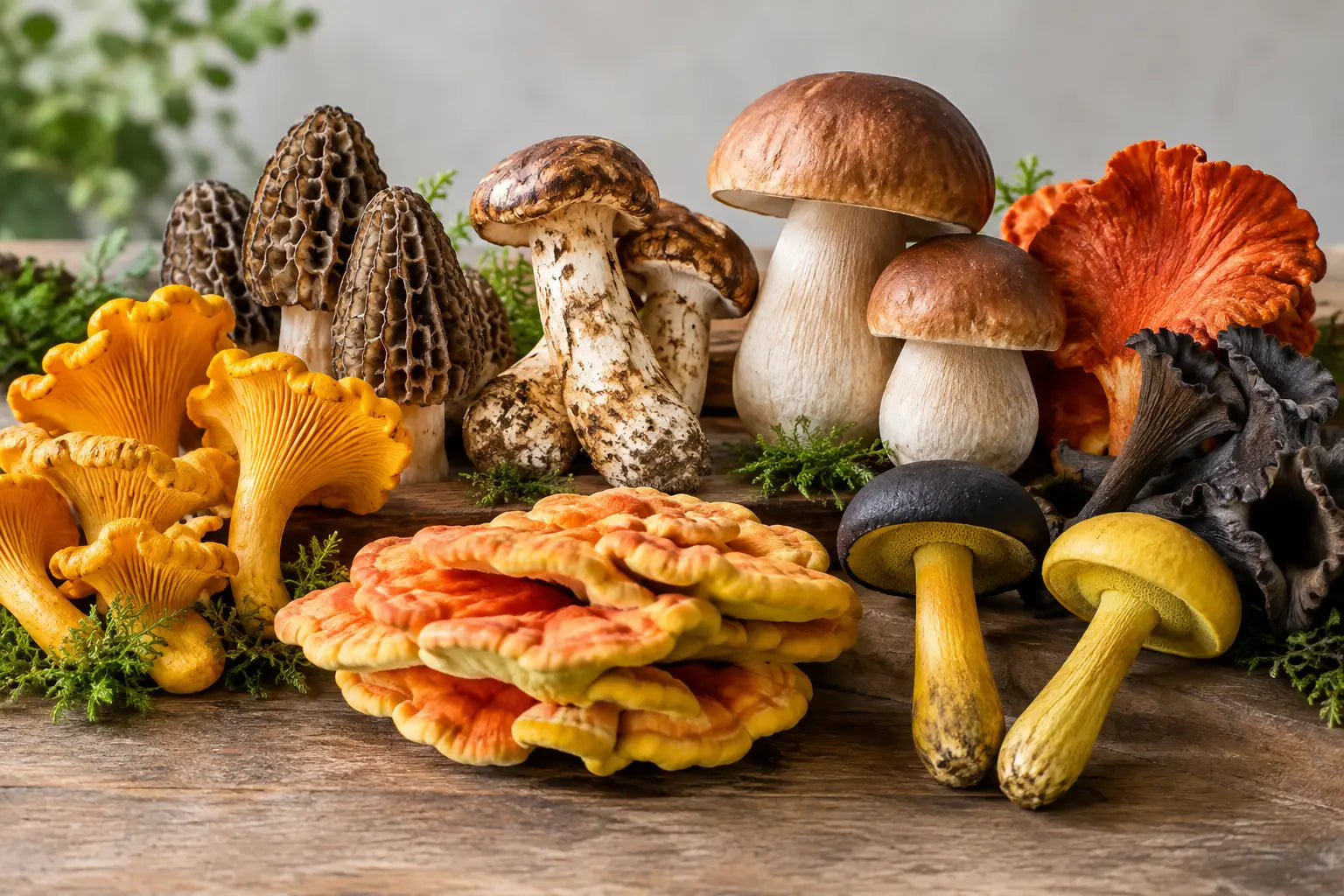
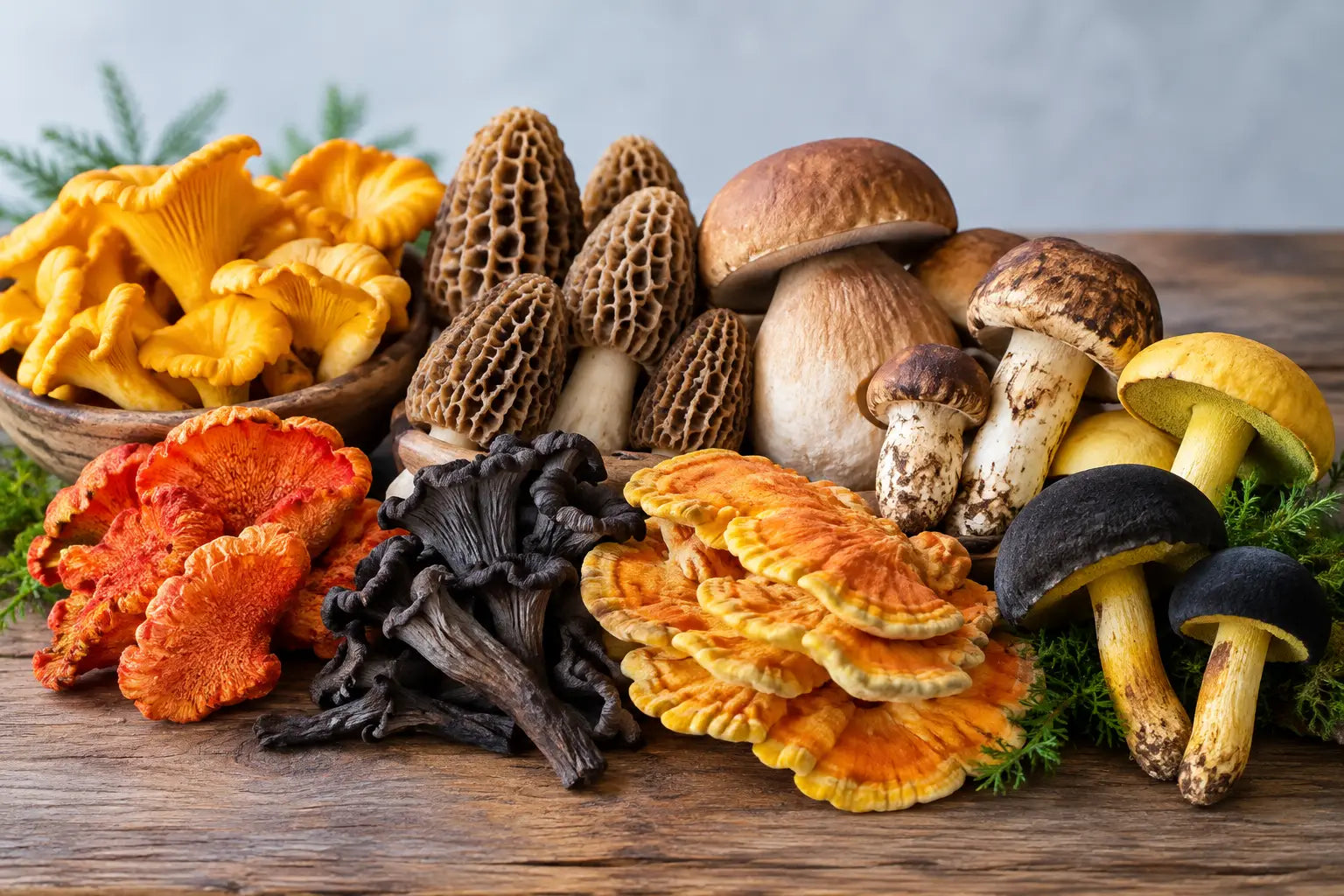
Frozen chanterelles, morels, porcini, black trumpet mushrooms, lobster mushrooms, matsutake, and chicken of the woods all deserve a little more attention than a bag pushed to the back of the freezer. Wild mushrooms have nuanced aromas and distinct textures. Protecting those qualities comes down to three things: steady cold, a tight package, and cooking them with enough heat to drive off excess moisture.
Start With the Freezer, Not the Recipe
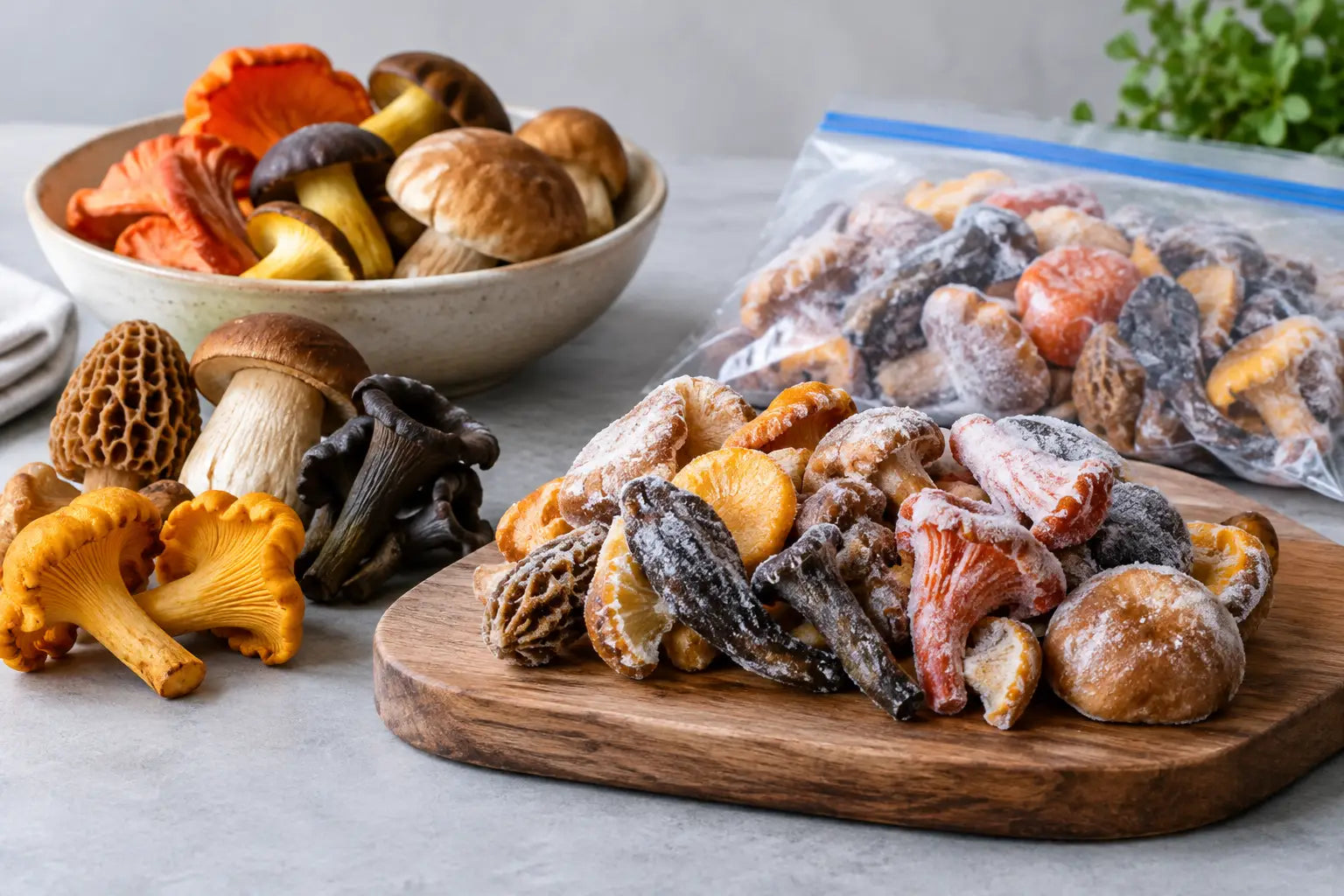
The best place for frozen wild mushrooms is deep in the freezer, where temperature changes are minimal. A door shelf is convenient, but it is also the warmest, most variable part of the freezer. Each opening briefly exposes food there to warmer air, which can slowly affect texture and encourage frost.
Aim for a freezer temperature of 0°F or below. Most home freezers can hold that temperature well, but crowded vents, a door left ajar, or frequent loading with room-temperature groceries can create swings. If you cook with frozen mushrooms often, an inexpensive freezer thermometer takes the guesswork out of it.
Keep mushrooms away from strongly scented foods whenever possible. A well-sealed package is the first defense, but frozen foods can still pick up lingering aromas over time. A dedicated freezer bin is a simple solution. It also means you can find your mushrooms before they soften on the counter while you search for them.
Keep the Package Closed and Protected
The original sealed package is usually the best storage environment until you are ready to cook. It limits exposure to air, which is the main cause of freezer burn. Freezer burn is not a safety issue, but it dries the surface and can leave mushrooms chewy, pale, or less flavorful after cooking.
If you open a package and use only part of it, work quickly. Return the remaining mushrooms to the freezer immediately rather than letting them sit on the counter. Press out as much air as you can, reseal the package tightly, and place it inside a freezer-safe zip bag or airtight container for added protection.
Portioning matters, especially with premium wild mushrooms. If a package contains more than you need for one meal, divide it into recipe-size portions while the mushrooms are still fully frozen. That way, you can make a porcini pasta for two or add black trumpets to an omelet without repeatedly thawing the entire package.
Avoid packing too much into a thin bag. Mushrooms can be delicate, and crushed pieces release moisture more readily in the pan. A rigid container is useful for varieties with larger caps or firmer pieces, such as chicken of the woods or lobster mushrooms.
How Long Do Frozen Wild Mushrooms Last?
When held consistently at 0°F or colder in an unopened package, frozen mushrooms keep their best flavor and texture for months. The package date is your most practical guide. Once opened, plan to use the mushrooms sooner, ideally within a few weeks, because every opening introduces air and increases the chance of drying.
That said, quality is not an all-or-nothing line. A bag that has been stored carefully may still cook beautifully after a long stretch in the freezer. A bag with heavy frost, loose packaging, or obvious ice crystals may need a more forgiving use, such as a sauce, soup, risotto, or mushroom butter.
Look for a clean, natural mushroom aroma once the package is opened. Discard mushrooms if they have an off odor or if the package has clearly thawed and refrozen during storage. When in doubt, do not serve them.
> Frozen Mushroom Cooking Note
>
> Choose a frozen wild mushroom variety that suits the meal you have in mind, then cook only the portion you need. Chanterelles bring apricot-like brightness to eggs and cream sauces, while porcini add deep, woodsy character to pasta, rice, and pan sauces. Check the current product page for the available package size and price before ordering.
Should You Thaw Frozen Mushrooms First?
Usually, no. For most sautéed dishes, cook frozen mushrooms directly from the freezer. This is the most reliable way to preserve their shape and keep them from sitting in their released moisture before they hit the pan.
Use a wide skillet over medium-high to high heat and give the mushrooms room. A crowded pan traps steam, which can make even excellent mushrooms feel soft. Let the initial moisture cook off before adding butter, oil, shallots, garlic, or herbs. Once the pan is no longer watery, the mushrooms can brown and concentrate in flavor.
Thawing makes more sense when you need to chop the mushrooms finely, fold them into a filling, or add them to a dish with a very short cooking time. Thaw them in the refrigerator in a covered container, not at room temperature. Then drain any released liquid and pat lightly if the recipe needs a drier result.
Never thaw mushrooms, decide against using them, and put them back in the freezer. Repeated thawing and refreezing takes a visible toll on texture and makes safe handling less certain. Instead, keep the rest frozen and cook only what you intend to use.
Match Storage Habits to the Mushroom
Different wild mushrooms cook differently, and storage choices should support that character. Morels have a honeycombed structure that holds plenty of flavor but can seem delicate when overhandled. Keep them sealed, cook them from frozen, and use a gentle but hot sauté once their moisture has evaporated.
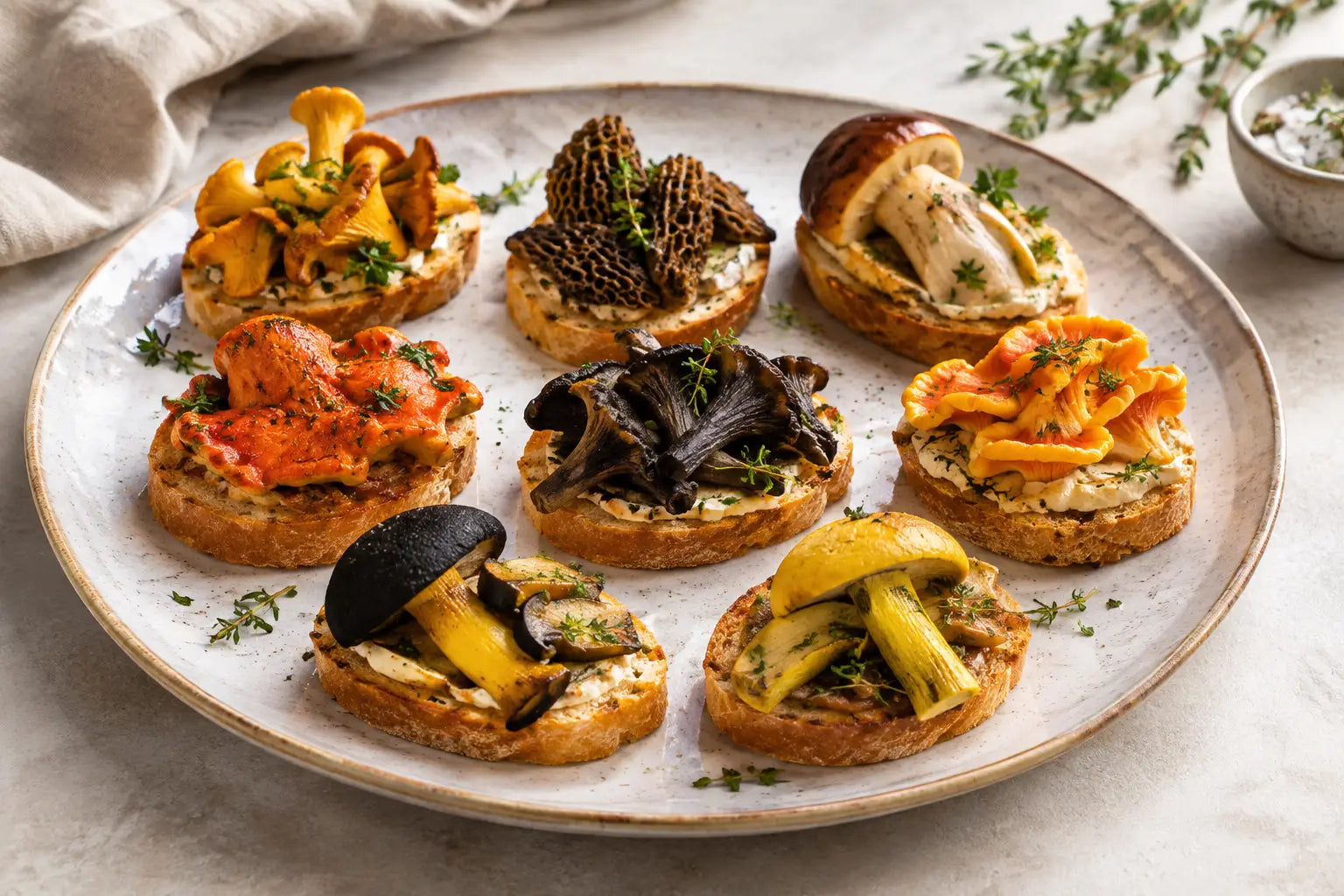
Chanterelles and black trumpets are prized for aroma. Their packages benefit from extra protection after opening because air exposure can dull the fragrance that makes them special. Use them in dishes that let their character come forward, such as eggs, creamy polenta, pasta, or a simple skillet with butter and herbs.
Porcini and lobster mushrooms have a more assertive presence and can stand up to longer-cooking dishes. If a package has picked up a little frost but still smells clean and has remained frozen, these varieties are especially good candidates for risotto, a savory sauce, or a hearty grain dish.
Matsutake deserves restraint. Its spicy, pine-like perfume is the point, so keep storage tight and preparation simple. A hot sauté with butter, rice, or a light broth gives it room to speak.
Small Mistakes That Cost Flavor
The most common mistake is leaving the package partly open after taking out a handful. The second is thawing mushrooms on the counter while other dinner prep drags on. The third is adding frozen mushrooms to a cool pan, then covering it. That combination creates steam instead of browning.
Another easy mistake is seasoning too early. Salt draws out moisture, so wait until the mushrooms have released their initial water and begun to take on color. Then season with confidence. A finish of butter, fresh herbs, lemon, cream, or a splash of wine can complement wild mushrooms, but the flavor should begin with the mushroom itself.
If you are preparing a special meal, move the mushrooms from freezer to skillet last, not first. Have the rest of the ingredients chopped, measured, and ready. The faster you move from frozen package to hot pan, the more control you have over the finished texture.
Make Every Package Count
Frozen wild mushrooms are not a compromise for home cooks. When carefully preserved and properly stored, they are a practical way to keep rare seasonal flavor within reach. Treat the package as part of the ingredient: keep it cold, keep air out, avoid unnecessary thawing, and give the mushrooms heat and space when it is time to cook.
Shop This Mushroom
Explore the current frozen wild mushroom selection from Crown Fungi and choose a variety that fits the meal you want to make. Keep it properly stored, then let a hot skillet do the rest.