Cart
0
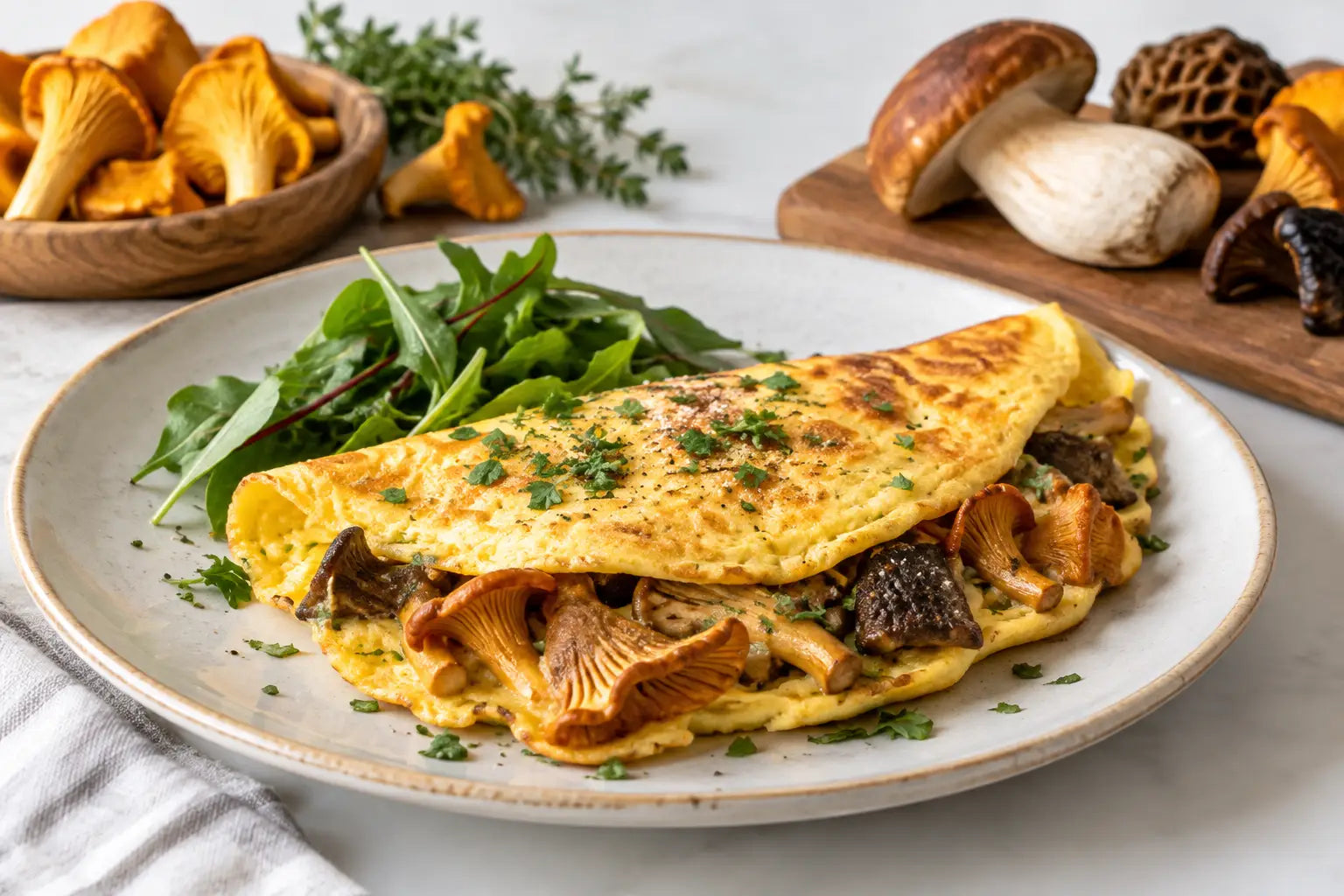
A chanterelle omelet is one of the best ways to let a prized wild mushroom do what it does best: bring a deep, apricot-like aroma and gently peppery flavor to a simple plate of eggs. If you are learning how to make chanterelle omelet at home, start with exceptional mushrooms and give them enough room in the pan. Crown Fungi’s seasonal wild mushroom offerings make it easier to cook with a memorable ingredient when the moment calls for something beyond the everyday breakfast.
This is not an omelet that needs a crowded filling or a heavy sauce. Chanterelles have a delicate texture and a flavor that can disappear under too much cheese, garlic, or heat. The goal is a softly set omelet with golden, concentrated chanterelles tucked inside - elegant enough for a leisurely brunch, but easy enough for a weeknight supper.
What Makes Chanterelles So Good With Eggs
Chanterelles bring contrast without overpowering the eggs. Their edges turn lightly crisp in butter, while their centers stay tender and pleasantly chewy. Eggs round out that woodland flavor with richness, especially when finished with a little crème fraîche, chives, or a mild melting cheese.
The essential technique is to cook the mushrooms first, separately from the eggs. Chanterelles release moisture as they heat. If that moisture goes directly into the omelet pan, the eggs can steam rather than set into a tender, creamy layer. A few extra minutes with the mushrooms gives you better flavor and better texture.
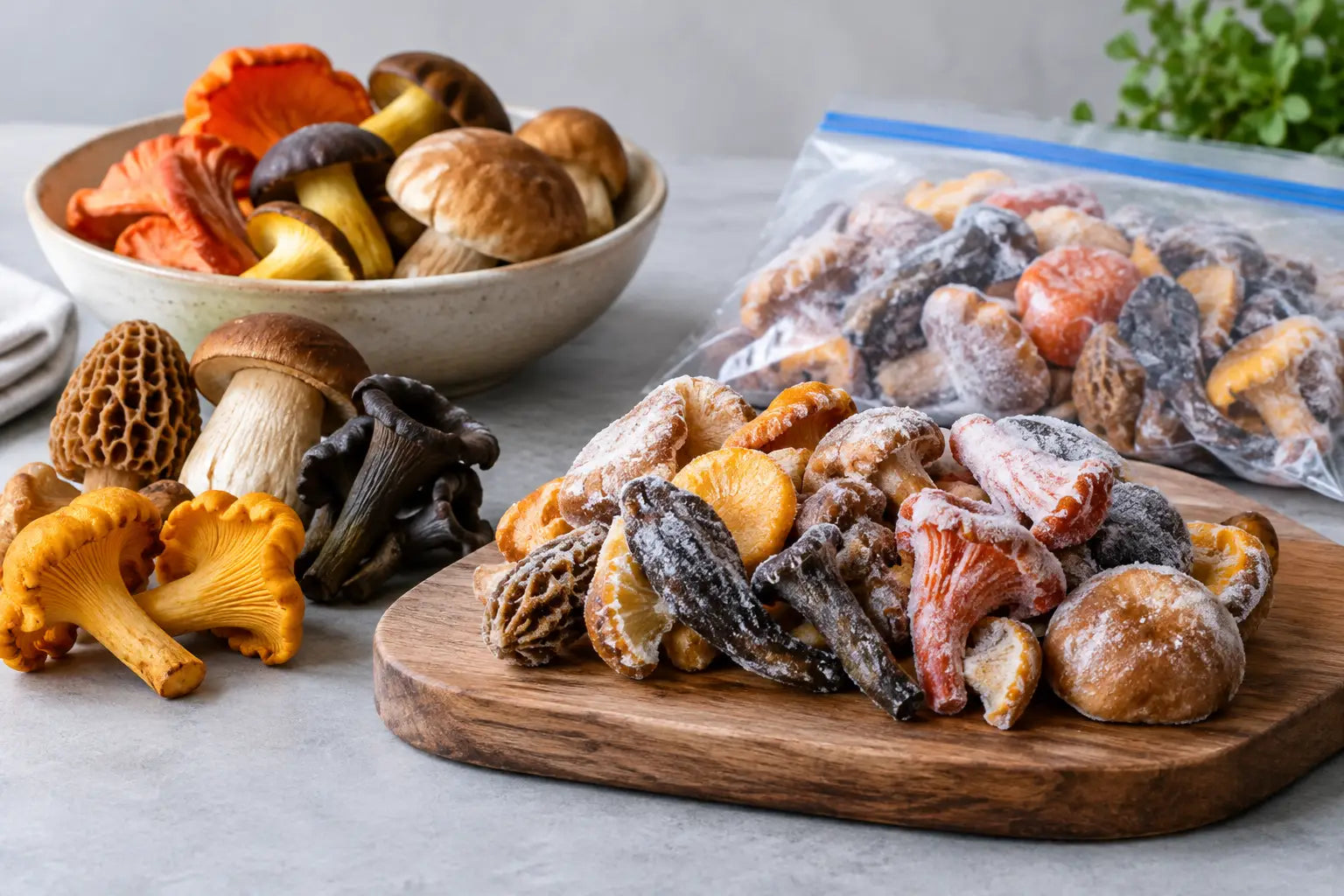
Fresh chanterelles are ideal when they are available, but carefully preserved frozen chanterelles can make a beautiful omelet as well. The approach changes slightly: thaw them in the refrigerator when possible, then drain and pat them dry before they hit the pan. The drier the mushrooms are before sautéing, the more readily they will brown.
Ingredients for One Generous Omelet
For a satisfying single-serving chanterelle omelet, use three large eggs and about 3 to 4 ounces of cleaned chanterelles. You will also need 1 tablespoon unsalted butter, kosher salt, freshly ground black pepper, and 1 teaspoon of finely chopped chives or parsley.
For a richer filling, add 1 tablespoon crème fraîche or a small handful of shredded Gruyère. Both work well, but use restraint. Crème fraîche adds silkiness and a slight tang, while Gruyère brings a nutty finish. Choose one rather than piling in both, so the chanterelles remain the first flavor you notice.
A small splash of water in the beaten eggs is useful. It creates a little steam as the omelet cooks, helping the interior stay tender. Milk or cream can work, but they are not necessary and may slightly mute the clean egg flavor.
Prepare the Chanterelles With a Light Touch
Start by inspecting the chanterelles. Brush away any visible debris with a soft brush or a barely damp towel. If they need rinsing, do it quickly, then dry them thoroughly. Wild mushrooms are not fragile, but they do reward careful handling.
Tear large chanterelles into bite-size pieces and leave small ones whole or halve them lengthwise. This creates a filling with varied texture while keeping every piece easy to eat with a fork. Try not to slice them too thinly. Thin slices can dry out before they develop the buttery, golden edges that make chanterelles special.
Heat an 8- to 10-inch nonstick or well-seasoned skillet over medium-high heat. Add half the butter, then add the mushrooms in a single layer. Leave them alone for a minute before stirring. Once they begin to release moisture, season them with a small pinch of salt and continue cooking until the liquid has evaporated and the mushrooms are glossy and golden, about 4 to 6 minutes.
Taste one. It should be tender, concentrated, and lightly browned, not pale or watery. Stir in the chives or parsley, then move the mushrooms to a warm plate.
> Wild Mushroom Cooking Note
>
> Chanterelles need space, not a crowded pan. If you are making more than one omelet, sauté the mushrooms in batches so they brown instead of steam. Cook only what you plan to serve right away, then explore Crown Fungi’s current fresh and frozen chanterelle selections for your next special meal.
How to Make a Chanterelle Omelet That Stays Tender
Crack the eggs into a bowl, add a pinch of salt, a few grinds of black pepper, and 1 teaspoon water. Beat with a fork until the yolks and whites are fully combined. You are not trying to whip in lots of air. A smooth, even mixture is enough.
Wipe out the skillet if needed and return it to medium-low heat. Add the remaining butter. When it foams but has not browned, pour in the eggs. Use a silicone spatula to stir gently in small circles for the first 15 to 20 seconds, drawing the setting egg from the edges toward the center.
As soon as soft curds form, stop stirring and let the eggs settle into an even layer. Tilt the pan to let any loose egg run underneath. The surface should remain slightly glossy when you add the filling. If it looks completely dry, the omelet will be firmer than most people want.
Scatter the sautéed chanterelles over one half of the omelet. Add a small spoonful of crème fraîche or a light sprinkle of Gruyère, if using. Fold the bare half over the filling with the spatula, then let it sit for 20 to 30 seconds. Slide it onto a warm plate while the center is still soft.
The carryover heat will finish the eggs. Waiting for a fully firm center in the skillet is the most common reason an omelet turns dry.
The Heat and Timing Details That Matter
An omelet is a short cooking project, and the pan temperature matters more than almost anything else. Mushrooms want medium-high heat at first so their moisture can cook off. Eggs want medium-low heat so they set gently without browning on the bottom.
If the butter turns brown before the eggs go in, lower the heat and start again with fresh butter. Brown butter is delicious with chanterelles, but it can make a delicate omelet taste heavier and can leave the eggs speckled. For this dish, keep the flavors bright and clean.
It also helps to cook one omelet at a time. A larger batch of eggs is harder to fold neatly and easier to overcook. For two people, make two individual omelets and hold the first on a warm plate for only a minute or two while you cook the second.
Smart Variations That Keep Chanterelles in Focus
A few additions pair beautifully with chanterelles, but each changes the character of the dish. Finely sliced shallot can be cooked with the mushrooms for a sweeter, more savory filling. Fresh thyme adds a woodsy note, though use only a few leaves. Chives offer a cleaner onion flavor and are often the safest choice.
For a more substantial supper, serve the omelet with buttered toast and a sharply dressed green salad. A few shaved pieces of aged Parmesan over the salad can echo the omelet’s savory depth without crowding the filling.
If you prefer a French-style omelet, keep the outside pale and the center very soft. If you like a more set American-style omelet, let the eggs cook an additional 20 to 30 seconds before folding. Both are good, but a softer omelet is especially flattering to chanterelles because it keeps the overall texture luxurious rather than dry.
Common Chanterelle Omelet Mistakes
The first mistake is adding wet mushrooms to the eggs. Cook off their moisture first. The second is seasoning too aggressively. Chanterelles have their own savory complexity, so a restrained hand with salt, pepper, garlic, and cheese produces a more distinctive result.
The third is overfilling the omelet. Three to four ounces of chanterelles is plenty for three eggs. An overloaded omelet tears when folded and requires extra cooking time, which can toughen the eggs. Keep the filling in a tidy layer over one half of the pan.
Finally, serve immediately. Chanterelles are at their best when their edges are still warm and lightly crisp, and the omelet is still soft enough to settle on the plate.
Shop This Mushroom
Bring a special wild mushroom meal within reach by exploring Crown Fungi’s current seasonal chanterelle offerings. Choose fresh or frozen chanterelles based on what is available, then let a hot skillet, good butter, and a few eggs do the rest.