Cart
0
A wild mushroom can make a dish memorable, but only if it arrives in a condition that can carry service. This restaurant guide to wild mushroom sourcing is built for chefs and buyers who need more than a compelling species name: they need clean flavor, usable yield, dependable handling, and a format that fits the menu. At Crown Fungi, sourcing begins with that operational standard - wild product selected and handled for serious kitchens.
Source for the Plate, Not the Spec Sheet
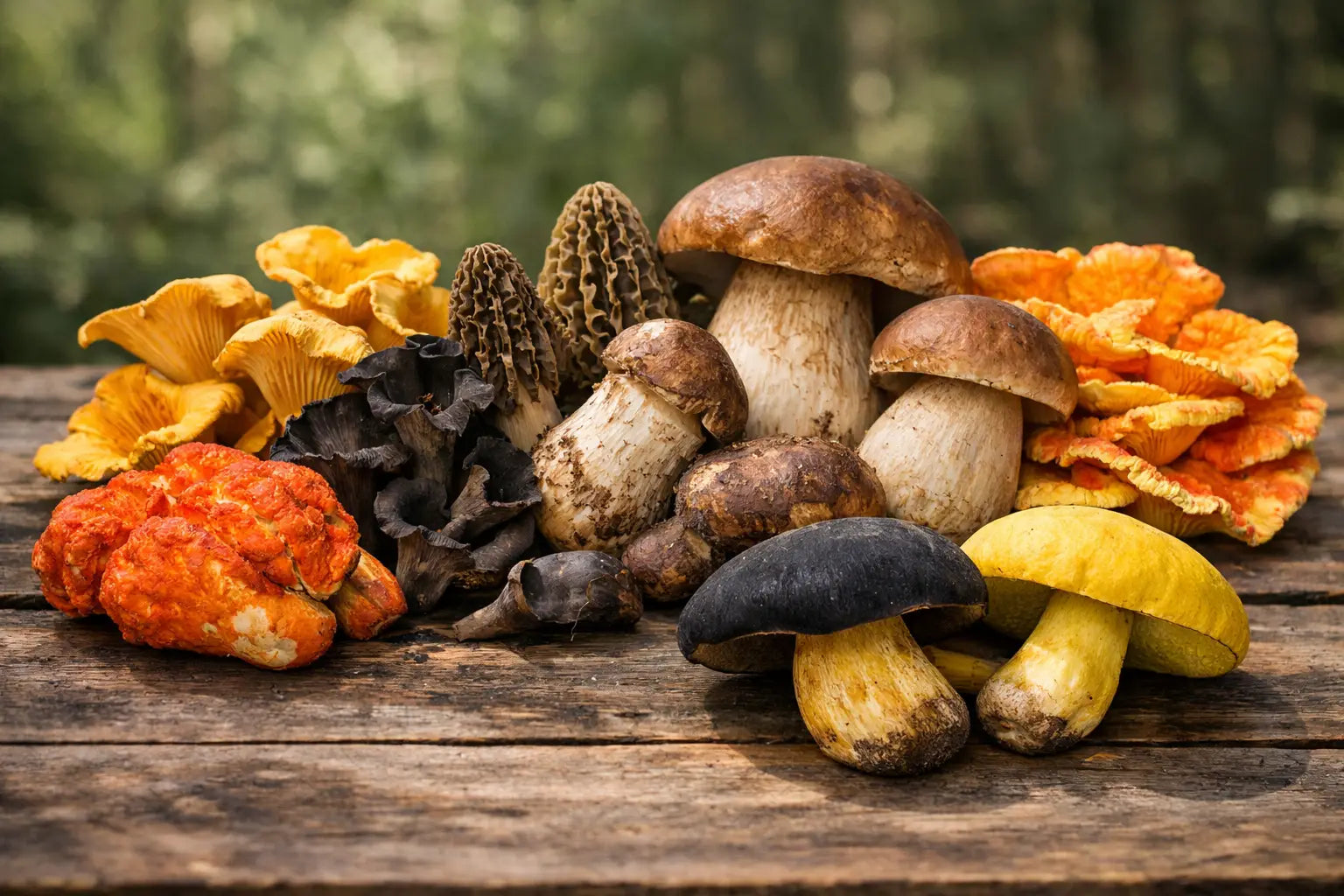
Wild mushrooms are not interchangeable commodities. A chanterelle’s apricot-like aroma, a porcini’s deep savory character, and a black trumpet’s dark, woodsy intensity each perform differently under heat, fat, acid, and holding time. The first sourcing decision is therefore culinary: identify the mushroom’s job on the plate before setting a buying specification.
For a composed entrée, fresh mushrooms may need enough structure for a hard sauté and a clean presentation. For a sauce, stuffing, jus, or dry rub, concentrated dried mushrooms can deliver more consistent flavor per portion. Frozen mushrooms, preserved at peak quality, are often the practical choice when a kitchen needs a seasonal ingredient without building an entire menu around a short fresh window.
Buying on appearance alone can create avoidable waste. A dramatic whole specimen may be appropriate for a garnish or a featured course, while broken pieces can be entirely suitable for a farce, pasta filling, or blended sauce. Ask the supplier what grade and cut profile will best support the application. The right product is the one that gives the kitchen the intended flavor and texture at a workable food cost.
Build a Seasonal Sourcing Plan
Fresh wild mushrooms should be treated as seasonal menu opportunities, not fixed year-round promises. Weather, region, and natural flushes influence availability and volume. A supplier can provide visibility into current supply, but a smart restaurant plan also accounts for variation in size, condition, and lead time.
That does not mean a menu must abandon its mushroom identity when a fresh season shifts. It means the menu should be designed with preservation formats in mind. A kitchen may feature fresh chanterelles when current supply supports them, then rely on frozen porcini or dried black trumpets for a sauce with a similar depth of purpose. The preparation changes, but the standard does not.
This approach is especially useful for hotels, catering programs, and multi-unit culinary teams. Rather than writing a dish around one exact fresh item for months, establish an approved flavor family and format strategy. For example, an earth-driven mushroom course can move among porcini, black trumpet, lobster mushroom, or chicken of the woods based on the dish’s technique and current supply. That creates flexibility without making the menu feel improvised.
Fresh, Frozen, and Dried Are Different Tools
Fresh mushrooms offer immediacy: aroma, texture, and the visual value of a seasonal ingredient. They require prompt receiving, controlled storage, and a realistic prep plan. Order fresh product when the kitchen has a specific use window and enough volume to protect against trim loss and last-minute menu changes.
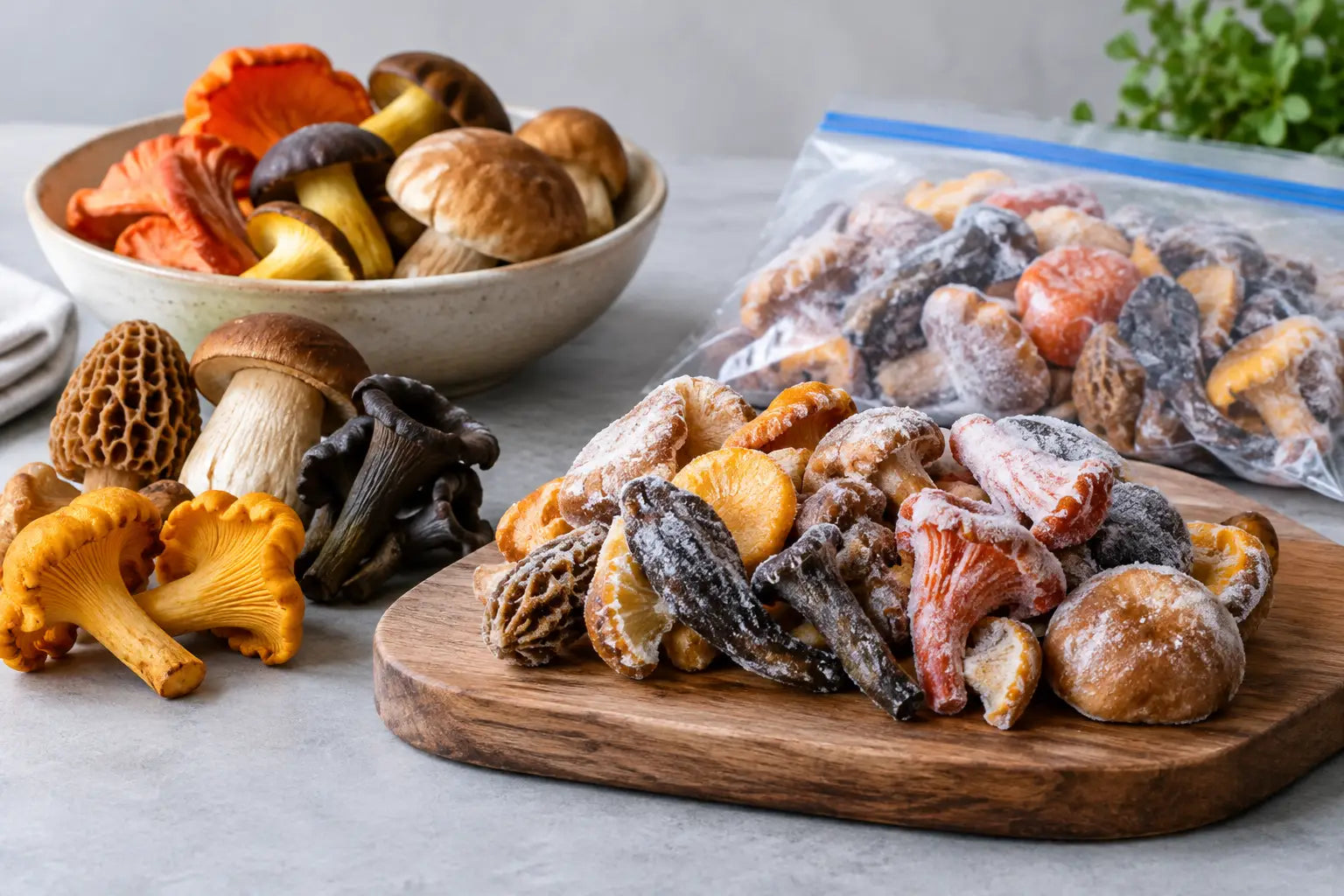
Frozen wild mushrooms are not a lesser version of fresh product. When preserved at their peak, they give chefs a stable way to keep valuable seasonal flavor in rotation. They work particularly well in risotto, sauces, soups, fillings, ragù, and other preparations where the mushroom is cooked rather than displayed whole. The key is to account for released moisture. Cook in batches, give the pan room, and reduce liquid deliberately so flavor concentrates instead of steaming away.
Dried mushrooms bring the highest level of pantry control. Morels, porcini, and black trumpets can add exceptional depth after rehydration, while the soaking liquid can be strained and used as an additional layer of flavor. Their advantage is not simply long shelf life. It is the ability to buy a precise amount of concentrated character for recipes that need repeatability.
What Chef-Grade Handling Should Look Like
The word wild describes origin, not quality. A chef-grade supply program depends on what happens after harvest: sorting, cleaning, packing, temperature control, and speed. Those details determine whether mushrooms arrive aromatic and usable or tired, wet, and labor-intensive.
Start with product condition. Fresh mushrooms should show the character expected of the variety, with a clean forest aroma and no signs of excessive moisture or compression. They should be packed to limit bruising while allowing the product to remain in good condition through transit. A reasonable amount of field debris can be normal with wild mushrooms, but the product should be professionally graded and cleaned to a standard that respects prep labor.
Cold-chain discipline matters as much as the mushroom itself. Ask how the product is held before shipment, how it is packed, and what delivery timing is expected for your location. A nationwide supplier needs systems that protect quality beyond its own warehouse door. For restaurants outside major culinary markets, this is often the difference between having access to rare wild product and receiving an ingredient that no longer performs.
At receiving, inspect promptly and store according to the format. Fresh mushrooms need refrigeration and breathable storage rather than a sealed, moisture-trapping environment. Frozen product should go directly into the freezer. Dried mushrooms should be kept sealed, dry, and away from heat and strong odors. Build this check into the receiving routine, not the prep team’s already crowded service schedule.
Buy to Yield, Not Just by the Pound
Wild mushroom pricing can look high when measured only against commodity produce. That comparison misses the more useful question: what is the cost per finished portion after trim, cooking loss, and labor?
A clean, well-graded mushroom can reduce prep time and improve plate consistency. A dried mushroom may look expensive by weight, yet provide a large number of portions because its flavor is concentrated. Frozen product can reduce spoilage risk when covers fluctuate or a banquet count changes. These are purchasing advantages, not merely storage preferences.
Run a short test before committing a mushroom to a major menu item. Record raw weight, trim, cooked yield, portion size, and actual labor. Test the same recipe with the intended format rather than assuming fresh, frozen, and dried behave identically. This is particularly valuable for high-impact varieties such as morels and matsutake, where the culinary result may justify a higher price but only if the application respects the ingredient.
Match the Variety to the Technique
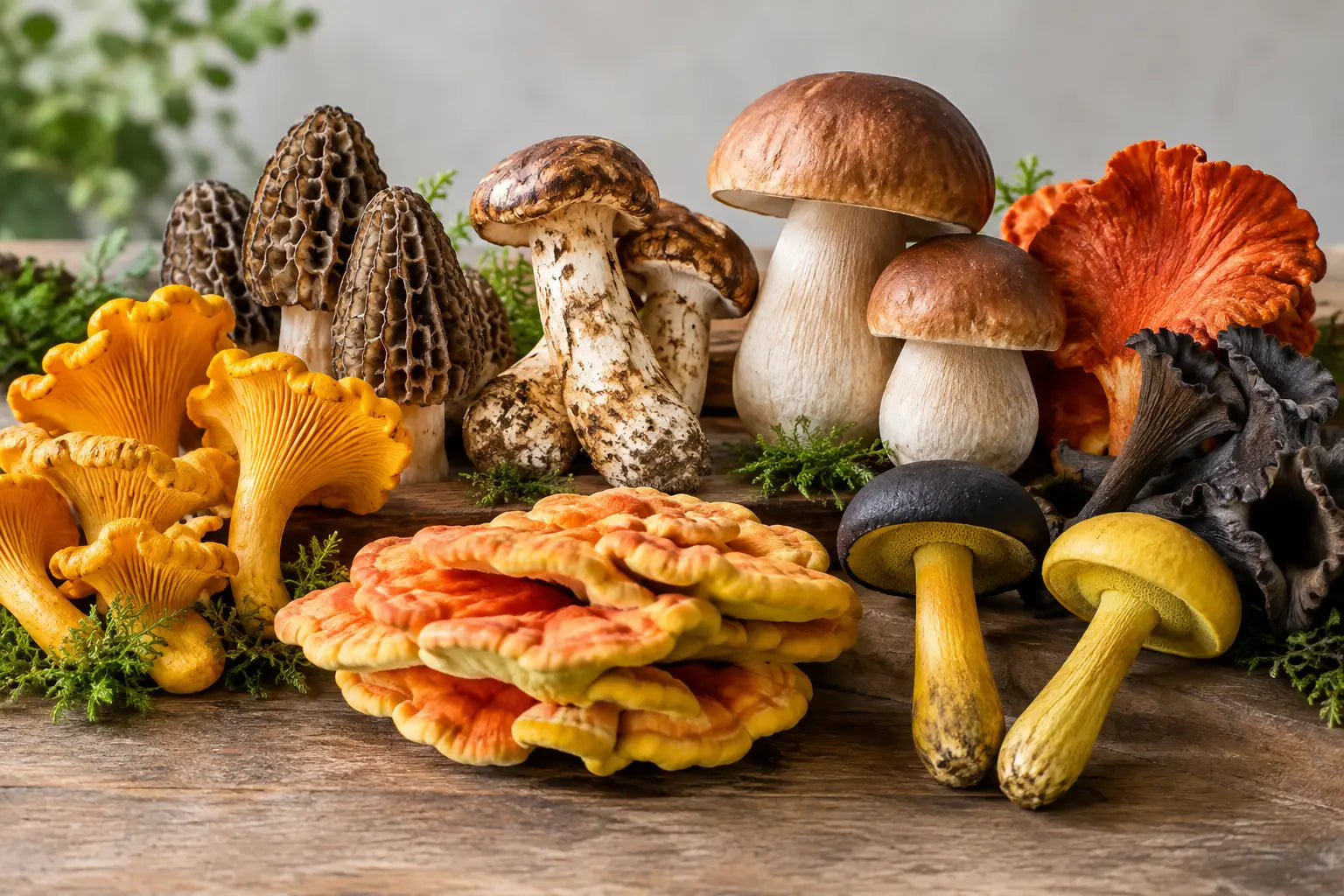
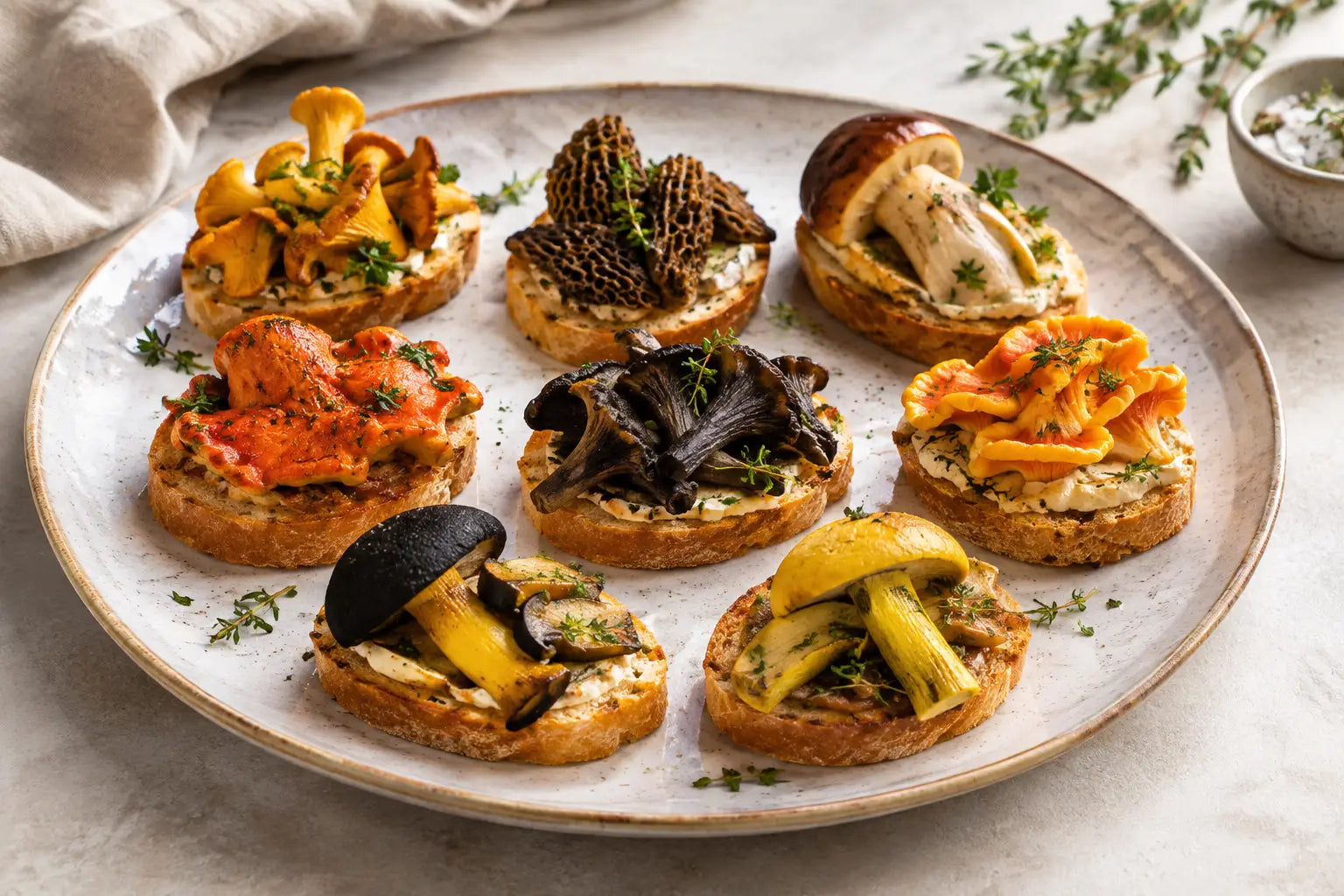
Chanterelles are often at their best when a simple sauté protects their delicate fruitiness and firm bite. Morels reward careful cleaning and gentle cooking, especially with cream, butter, poultry, or spring vegetables. Porcini suit broths, sauces, pasta, and rice dishes that benefit from their savory depth.
Lobster mushrooms bring a dense texture and distinct visual character to richer preparations. Black trumpets are valuable when a dish needs a concentrated, dark aromatic note without a large volume of product. Chicken of the woods can provide a substantial, layered texture, but should be chosen and cooked with the same attention to moisture management as any premium wild mushroom.
There is no universal best variety. The right choice depends on whether the dish needs fragrance, texture, visual impact, or a backbone of umami. Give the supplier the intended preparation, projected volume, delivery date, and preferred format. Better information at ordering produces better recommendations and fewer substitutions at the pass.
Create a Supplier Relationship That Supports Service
The strongest sourcing relationships are specific. Instead of asking only what is available, communicate the menu need: a whole-mushroom garnish for 180 covers, a dried component for a signature sauce, or frozen inventory for a banquet season. State whether sizing matters, whether pieces are acceptable, and whether the product will be used immediately or held.
It also helps to establish a substitution framework in advance. If a requested fresh variety is not at the required standard or volume, decide which approved alternative will preserve the dish’s intent. This protects both the kitchen and the supplier from making rushed decisions when availability changes.
A reliable wild mushroom program is not about chasing every short-lived harvest. It is about selecting exceptional ingredients with a clear use case, preserving quality through receiving and prep, and building enough flexibility into the menu to let seasonality work in the kitchen’s favor. Explore Crown Fungi’s current seasonal offerings to source wild mushrooms with the precision your next service requires.