Cart
0
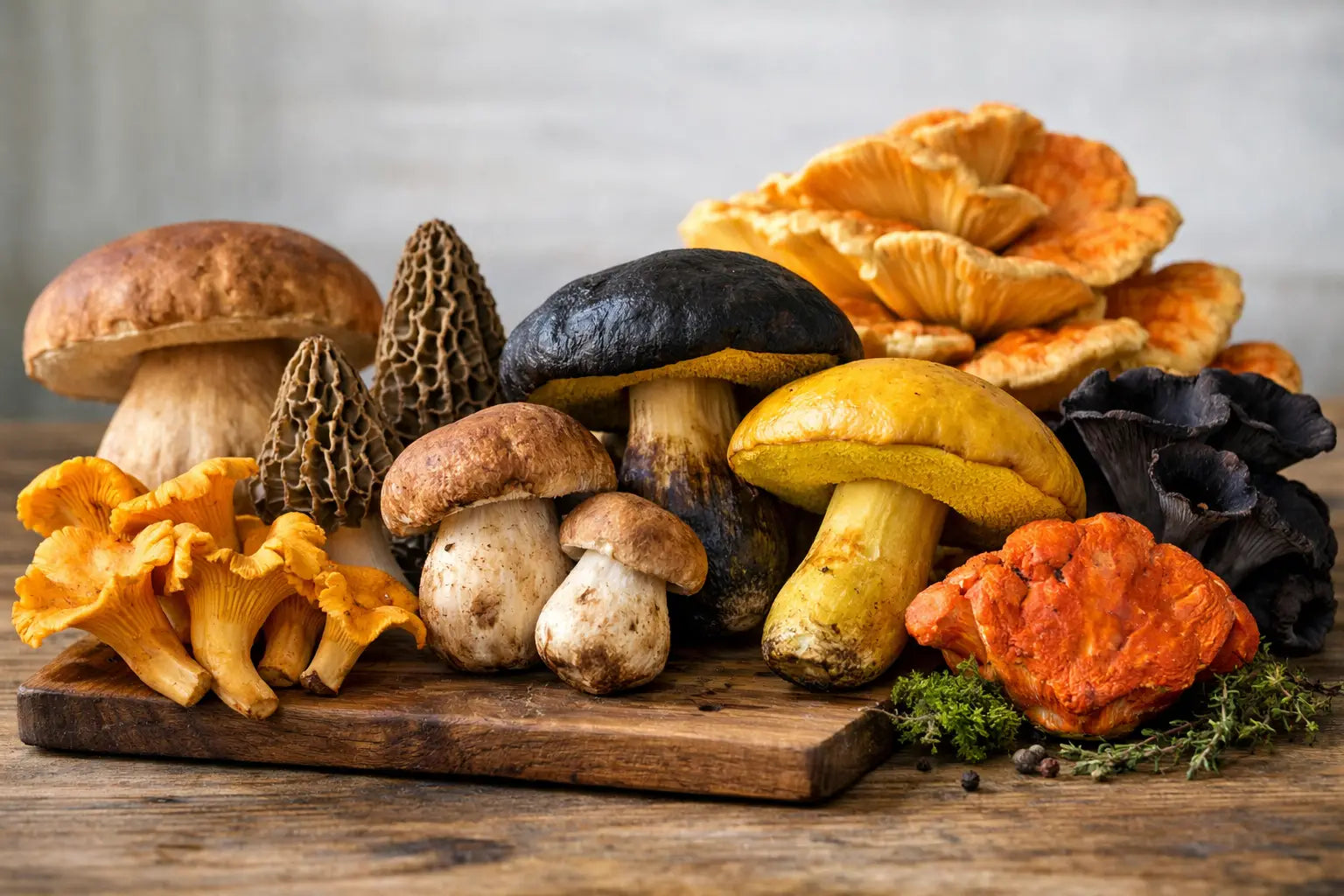
Chef-grade mushrooms should fit the work your kitchen needs them to do. Evaluate the variety, condition, cut, pack size, preparation requirements, and delivery arrangements before committing a mushroom to the menu. A striking photograph or a rare name is not a substitute for clear product specifications.
At Crown Fungi, compare seasonal fresh mushrooms, frozen wild mushrooms, and dried mushrooms. For restaurant quantities, lot-specific specifications, or delivery planning, request wholesale availability.
What Chef Grade Means in Practice
Start with suitability for the dish. A whole morel may be valuable in a composed presentation, while porcini slices or cubes may be more practical for a sauce. The correct choice depends on the appearance, flavor, texture, and usable portion your recipe requires.
Wild mushrooms vary naturally in size and shape. The aim is not artificial uniformity but a clearly described product that matches the ordered format and arrives in appropriate condition. Ask what is included when a listing uses a grade or size description that matters to your menu.
Evaluate Aroma and Condition
Inspect the delivery before putting it into storage. Look at packaging condition, moisture, visible deterioration, and whether the mushrooms match the ordered format. Fresh mushrooms should not be slimy or breaking down. Raise concerns about damaged packaging or questionable product with the supplier before use.
Aroma can help evaluate culinary quality, but smell and appearance alone do not establish that an unidentified wild mushroom is safe. Buy from a source that can explain the product and follow the provided preparation instructions.
Choose Size and Cut for the Application
Whole mushrooms and larger pieces make sense when diners will see and recognize them. Smaller pieces or slices can be more useful in fillings, soups, ragouts, sauces, and mushroom blends. Neither format is inherently wrong; the issue is whether it matches the job and the description.
For example, compare whole dried morels with sliced dried morels. Both are offered in 1 lb packs, but they suit different preparation and presentation needs. The product pages show current prices.
Count Preparation Work, Not Just Purchase Price
Include inspection, trimming, rehydration or thawing, cooking loss, and portioning in your evaluation. Do not assume a supplier's pack weight equals your final cooked yield or compare dried and fresh weights as though they were interchangeable.
Establish a portion and a preparation method for the menu item. Where appropriate, assign usable smaller pieces to sauces or fillings rather than paying for a whole-mushroom presentation that the dish does not need.
Fresh Mushrooms for Seasonal Dishes
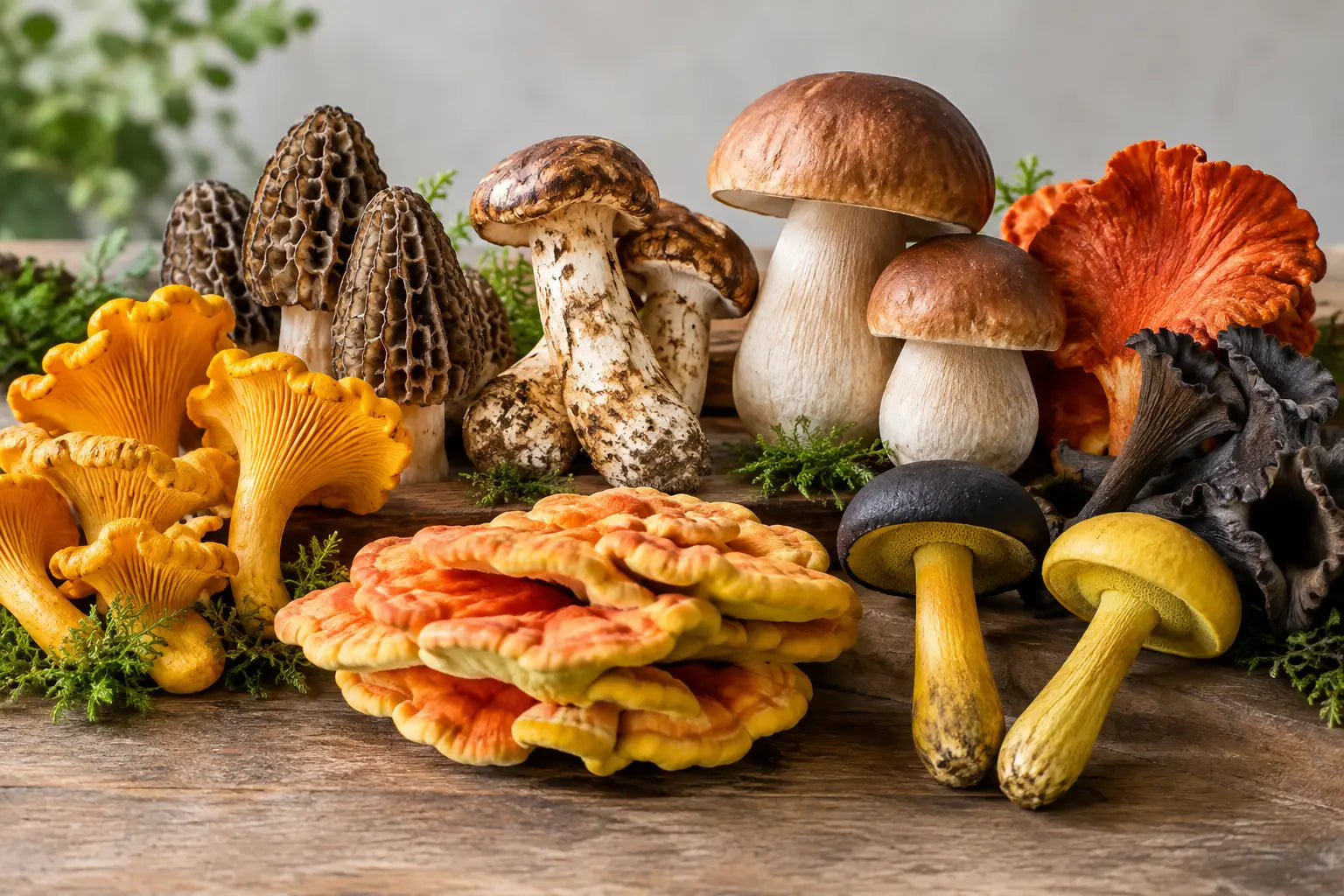
Fresh mushrooms are useful when texture, appearance, and seasonal character lead the dish. Explore fresh chanterelle boxes, fresh lobster mushrooms, and chicken of the woods, checking each listing for current availability.
Keep receiving and storage plans realistic. Refrigerate promptly in breathable packaging and schedule preparation around the product's actual condition rather than assuming an unlimited service window. Fresh morels and porcini are seasonal; their individual listings explain current availability.
Frozen Mushrooms for Flexible Inventory
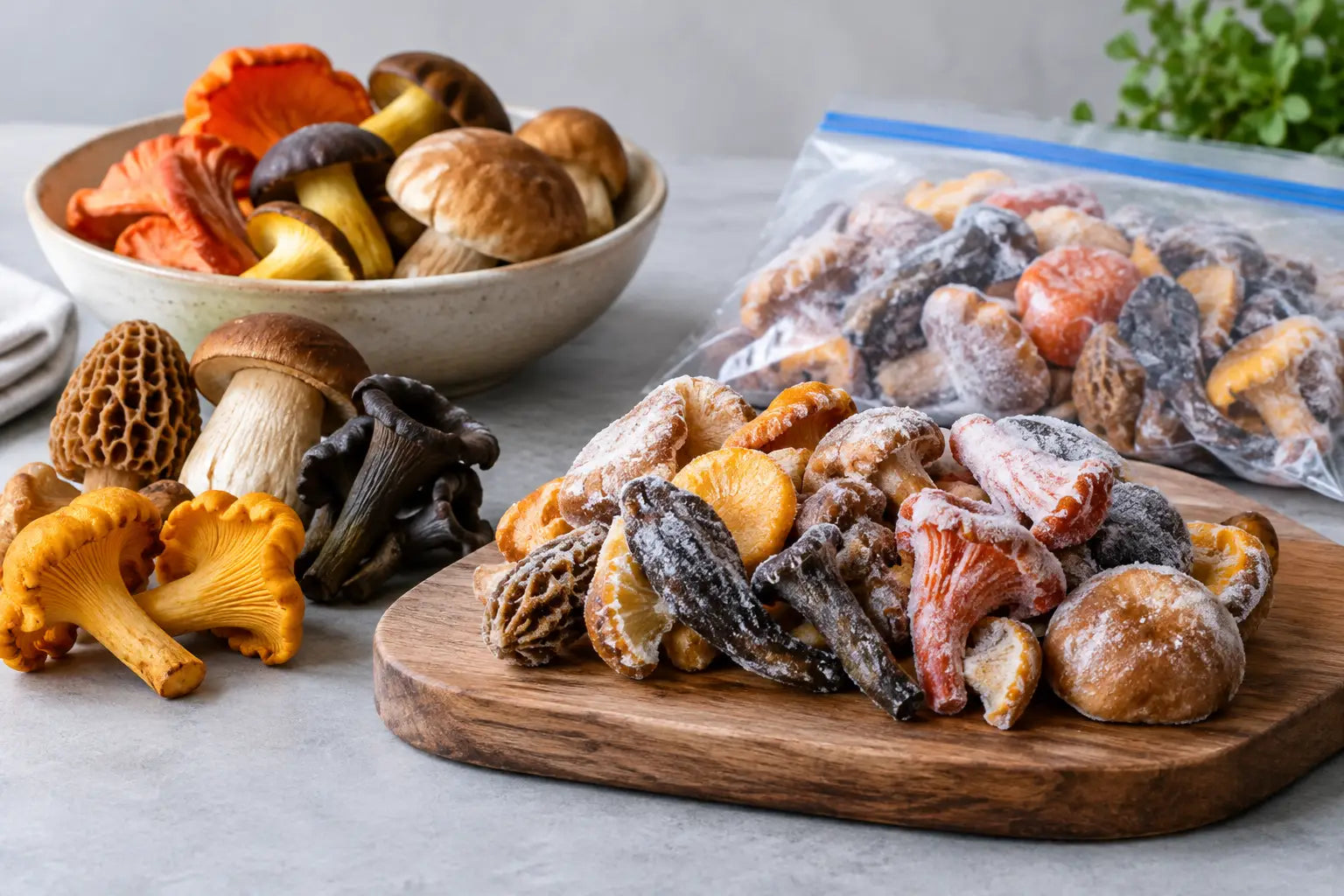
Frozen mushrooms provide another format for sauces, soups, risotto, fillings, and braises. Frozen porcini cubes reduce cutting work, while frozen morels offer a different alternative to dried morels.
Protect the cold chain, keep the product frozen until preparation, and follow its specific cooking instructions. Frozen mushrooms can release moisture, so pan size, batch size, and cooking method matter. Thaw in the refrigerator when thawing is needed, not on the counter.
Dried Mushrooms for Chefs
Dried mushrooms are useful when concentrated flavor and compact storage suit the prep system. Dried porcini slices can build depth in a stock, cream sauce, gravy, or filling. Whole and sliced dried morels provide additional choices for menu planning.
Allow time for rehydration, inspect the softened mushrooms, and strain retained soaking liquid carefully before using it in a cooked preparation. Morels must be cooked thoroughly after soaking. Not every dried mushroom is intended to be eaten as a solid ingredient: woody infusion products such as turkey tail and antler reishi should be prepared and strained according to their instructions.
Receiving, Storage, and Rotation
Keep fresh mushrooms refrigerated, dry, and able to breathe. Keep frozen mushrooms frozen and sealed, and protect dried mushrooms from heat, humidity, and direct sunlight. Follow the label for the individual variety and format.
Label deliveries, rotate older stock first, and separate receiving concerns from ordinary natural variation. Our arrival and refund policy explains how to report a delivery problem.
Match the Cooking to the Mushroom
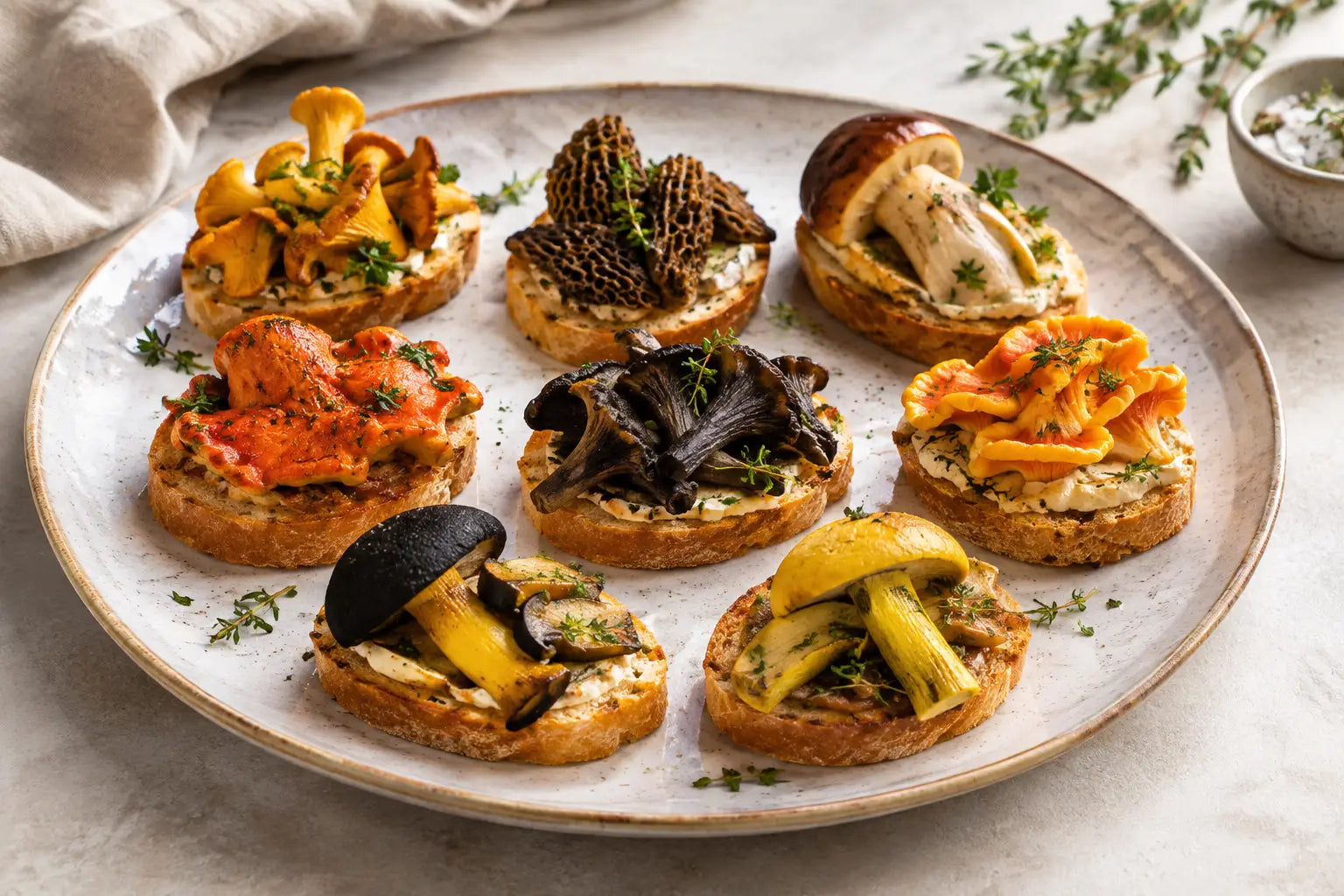
Chanterelles suit delicate sauces, eggs, and cream. Porcini bring a deep savory character to sauces and grains. Lobster mushrooms add color and a firm bite to chowders and pasta. Morels work well in thoroughly cooked cream sauces and mushroom dishes. Choose restrained or richer seasoning according to the particular variety and recipe.
Cook culinary mushrooms thoroughly. Freezing, drying, or rehydrating does not replace cooking.
Build a Practical Supply Plan
Use fresh product for seasonal features, frozen inventory where freezer capacity and the menu support it, and dried mushrooms for pantry-based flavor building. Read our format comparison and seasonal mushroom guide for planning context, then confirm availability on current listings.
Contact Crown Fungi for wholesale mushrooms with the varieties, format, approximate quantity, destination, and required arrival date. Review the shipping policy; overnight service refers to transit after dispatch, not an automatic next-day arrival from the moment an order is placed.